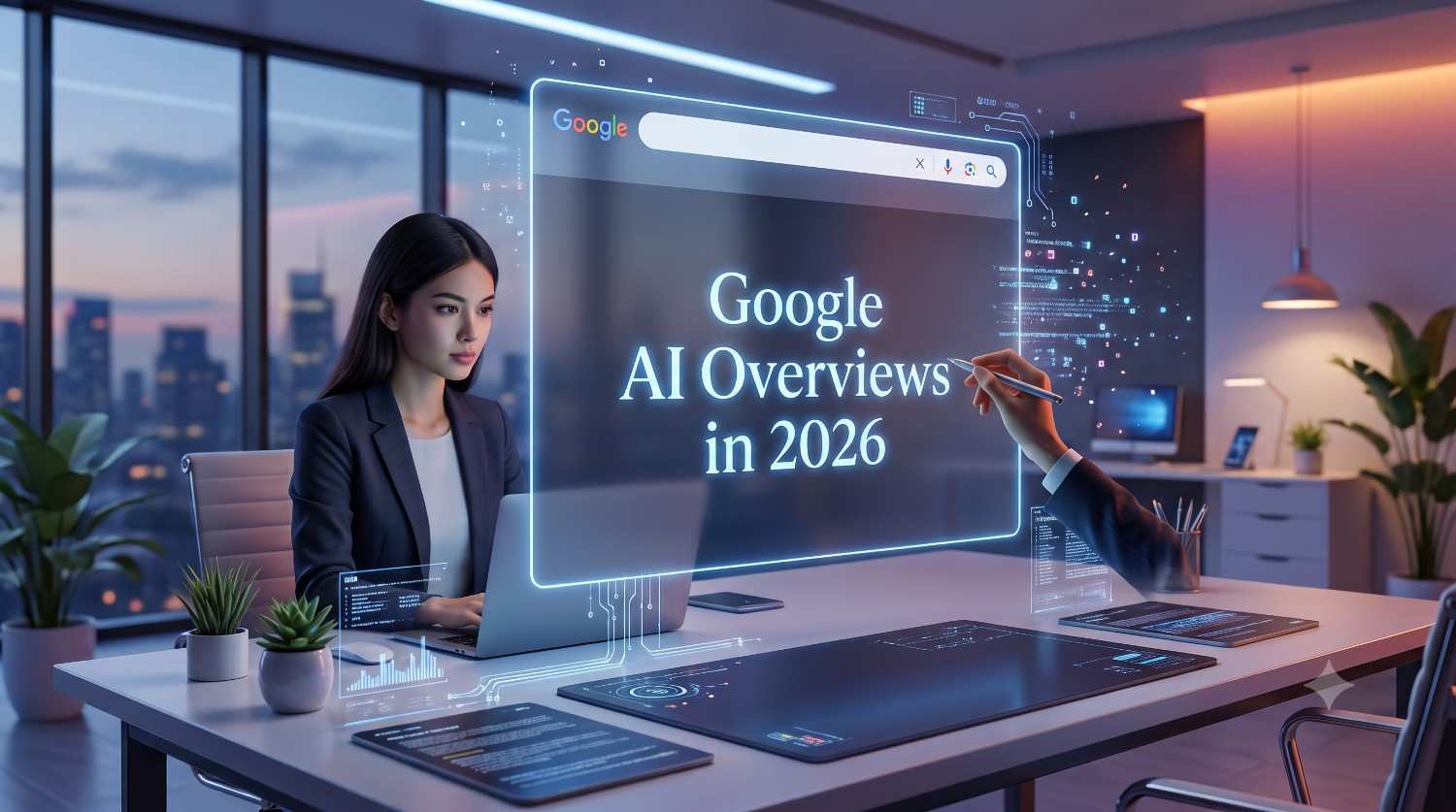
Google Launches Generative AI Performance Reports: What It Means for Your SEO Strategy

For over a year, the digital marketing world has asked the exact same question: “How much traffic am I actually getting from Google’s AI Overviews?

Up until now, tracking your visibility inside Google’s AI-driven search experiences felt like guesswork. Marketers were forced to rely on third-party scrapers, volatile multi-touch attribution tools, or muddy data pools in Google Analytics. That data blackout just ended. Google has officially rolled out its highly anticipated Search Generative AI Performance Reports inside Google Search Console (GSC).

Quick Summary

  • Track AI Separately: A brand-new dashboard lets you see your AI search data completely separate from your normal organic traffic numbers.
  • See Clicks and Impressions: You can now see exactly which keywords, blog posts, and pages Google’s AI is pulling information from.
  • Control Your Content: Google added easy toggles so you can decide if AI models are allowed to read and display your content.
  • The Rise of GEO: This update provides the exact data you need to shift your strategy from classic SEO to Generative Engine Optimization (GEO).

Not sure if your website is ready for AI search?

Get a tailored, comprehensive AI SEO audit from Deftsoft and find the underlying gaps affecting your modern search visibility.

Quick Navigation

Inside the Update: What’s New in Search Console?

A Dedicated Generative AI Performance Tab

Deep Granular Tracking

Native Content Control Toggles

Why This Shifts the Needle: From SEO to GEO

How to Optimize Your Website for Google’s Generative AI

Focus on Semantic Depth and Topic Clusters

Write for Conversational Search Intent

Structure Data for Machine Extraction

Prioritize High-Intent, Authoritative Copy

FAQs

Google is actively separating traditional organic search results from its generative AI ecosystem. Instead of burying AI metrics inside standard web search data, Search Console is introducing an entirely new dashboard built for conversational search analytics.

A Dedicated Generative AI Performance Tab

Look at the left-hand menu in your Google Search Console profile under Performance. You will see a brand-new tab labeled Generative AI. This dedicated interface separates your AI impressions and clicks from standard “blue link” organic results, giving you an honest look at your true AI traffic.

Deep Granular Tracking

The new reports show you exactly when and where your content is being used to answer user questions. You can filter this data by:

  • Pages: See the exact blog posts or product pages Google’s AI trusts as authoritative sources.
  • Geography & Devices: Track your AI performance across different countries and see if users find you on mobile or desktop.
  • Timelines: Look at traffic trends over time to see when your visibility spikes.

Native Content Control Toggles

Along with the performance report, Google has added simple privacy switches for publishers. This allows website owners to choose whether their content can be crawled and displayed in generative answers such as AI Mode and AI Overviews, without harming their traditional organic rankings.

Why This Shifts the Needle: From SEO to GEO

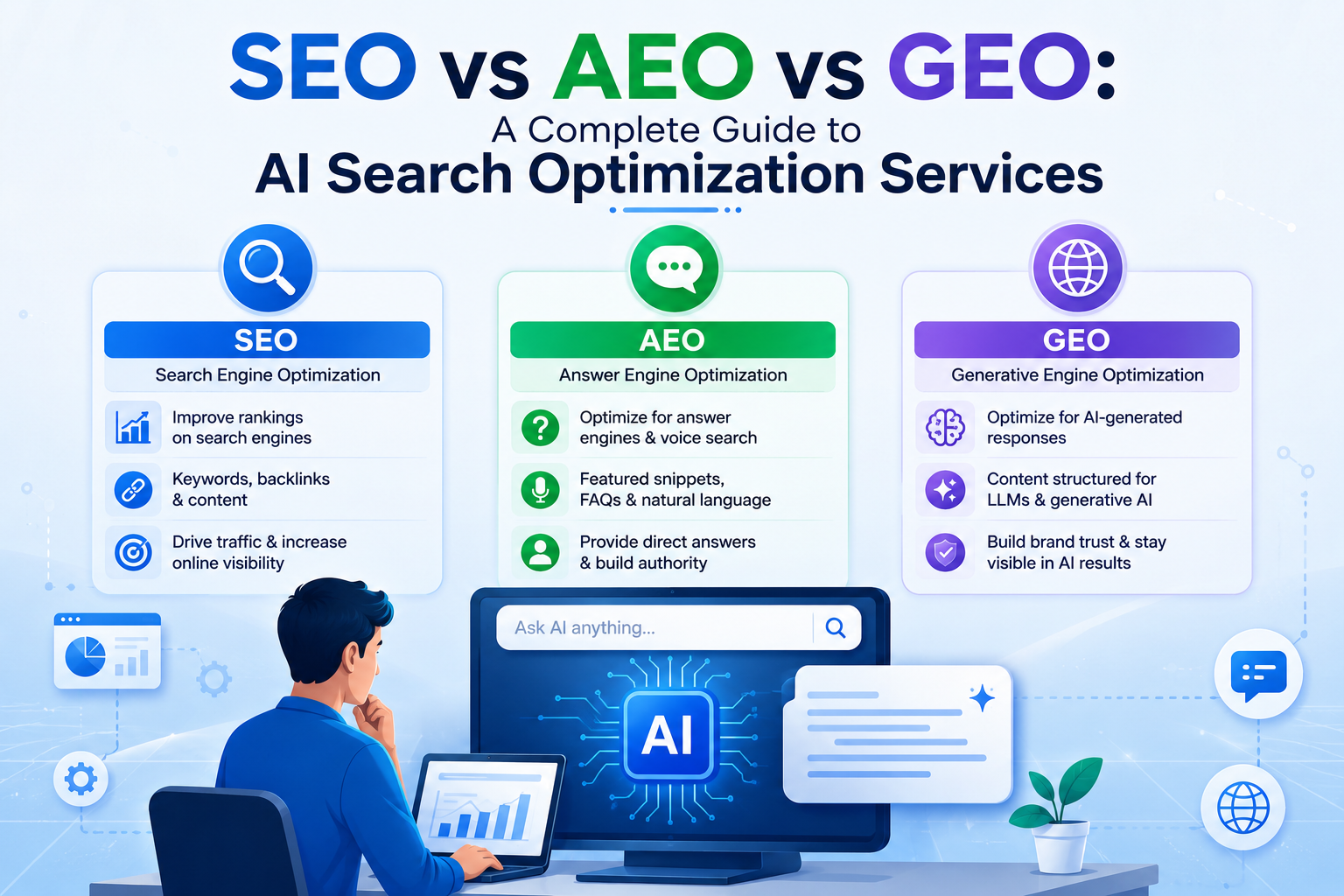
This update marks a permanent transition from classic Search Engine Optimization (SEO) to Generative Engine Optimization (GEO).

When Google summarizes an answer using AI, it pulls quotes and links from a few highly relevant websites. Early data shows that when users click a link inside an AI Overview, the traffic is significantly higher quality. These users are usually looking for specific solutions, spend more time on your pages, and convert faster because the AI has already answered their basic questions.
With native reporting inside Google Search Console, you can finally answer critical business questions:

  • Which specific blog post is Google’s AI mentioning our brand?
  • Are our conversions going up even if traditional click-through rates look different?
  • What technical updates do we need to make so AI bots can easily read our pages?

How to Optimize Your Website for Google’s Generative AI

Now that Google provides data to measure AI search performance, your content strategy needs to adapt. Here is how to make sure your website shows up in these new reports:

Focus on Deep, Expert Content

Google’s AI rarely relies on a single website; it combines data from multiple trusted sources. Instead of writing short, superficial articles, build comprehensive “topic clusters”—groups of deeply detailed articles that cover a subject from every angle to prove you are an expert.

People talk to AI assistants differently from how they type into traditional search bars. AI searches are often long, conversational questions. Structure your content to answer multi-layered, complex problems clearly and directly.

Structure Data for Easy Reading

Clear headings, bulleted lists, and structured schema markup (like FAQ or Product schema) make it incredibly easy for AI models to scan, extract, and cite your content. Clear formatting helps the AI bot understand your site faster.

Prioritize High-Intent, Authoritative Copy

Back up your claims with real data, original research, and clear author bios. Google’s AI filters for highly trustworthy information to avoid making mistakes, meaning your site needs to clearly showcase real-world experience.

Want to turn your AI search data into revenue?

Deftsoft can help you analyze your new Search Console metrics and design a data-driven strategy to scale your digital footprint.

Request an AI SEO Audit

FAQs

Where can I find the new Generative AI report in Search Console?

The report is located on the left-hand navigation sidebar inside Google Search Console. Look under the primary Performance dropdown menu, where a dedicated tab labeled Generative AI will appear once the feature rolls out to your region.

Does turning off AI crawling affect my normal organic rankings?

No. Google’s new publisher visibility toggles allow you to opt out of generative AI summaries and conversational answers without penalizing your traditional, standard blue-link rankings on the main search engine results page.

What metrics are available in the Generative AI report?

The report tracks the same core performance indicators as standard search reporting. This includes Total Clicks, Total Impressions, Average Click-Through Rate (CTR), and Average Position, all of which are filterable by page URL, country, and device type.

Why did Google create a separate tab for Generative AI performance?

Generative search interfaces change how users interact with websites. By isolating this data from standard search, Google allows webmasters to accurately track user behavioral differences, citation value, and traffic patterns unique to AI experiences.

How can I get my website cited in Google’s generative answers?

To increase your visibility, prioritize high-quality schema markup, natural language processing formatting, direct answers to long-tail queries, and deep topical authority backed by clear expert credentials.

Is traffic from AI Overviews better than traditional search traffic?

Early data suggest that users who click links within AI-generated summaries often have higher purchase intent. Because the AI has already answered their foundational questions, visitors landing on your site are typically further along in the buying journey.

AI SEO Audit Checklist: How to Check If Your Website Is Ready for AI Search

Traditional technical checklists are no longer enough to protect your traffic. If your optimization strategy is still running on a playbook from two years ago, you are likely auditing for a version of the web that is rapidly fading.

Search engines have evolved from indexers into synthesis engines and we have entered the new era of AI search. When users look for solutions, they are increasingly relying on summaries, direct citations, and conversational recommendations. To capture traffic in this environment, your website must be formatted so that large language models can effortlessly crawl, parse, contextualize, and credit your content.

An AI SEO audit checklist provides the technical framework needed to transition your site from a standard keyword-matching page into a structured data asset optimized for conversational answers.

Quick Summary:

An AI search audit assesses whether your technical architecture, data structures, and entity profiles are fully optimized for natural language parsers. The process goes beyond superficial keyword tracking to assess core site health, crawler access controls, semantic data layer maps, and natural-language text readability. The ultimate goal is to structure your pages so automated scrapers can easily extract summaries, connect your brand to specific entities, and drop links back to your domain. Achieving true visibility requires broad coverage across Google AI Overviews, ChatGPT, Gemini, Perplexity, and Bing Copilot.

Not sure if your website is ready for AI search?

Get a tailored, comprehensive AI SEO audit from Deftsoft and find the underlying gaps affecting your modern search visibility.

Quick Navigation

What Is an AI SEO Audit

Why AI Search Readiness Matters

Technical SEO Checklist

Crawlability and Indexing Checklist

Robots.txt and AI Crawler Checklist

Schema Markup Checklist

Content Quality Checklist

Entity and Brand Signal Checklist

LLM Visibility Checklist

Internal Linking Checklist

E-E-A-T Checklist

Final AI SEO Action Plan

Phase 1: Quick Structural Wins

Phase 2: Priority Strategic Updates

Phase 3: Long Term Growth Work

FAQs

What Is an AI SEO Audit?

A traditional web audit checks for missing title tags, broken links, and keyword density. A website AI SEO audit goes deeper, analyzing how machine learning algorithms interpret your business asset as a whole.

Instead of treating your pages as independent text documents, a modern AI search audit evaluates your entire digital footprint across multiple performance vectors. It starts by verifying your technical infrastructure so that automated user-agents can parse your raw site assets without rendering issues. From there, it reviews your semantic layer mapping to confirm your structured microdata clearly identifies your organization, services, and core subject matter.

Finally, it analyzes your natural-language processing formatting alongside synthetic citation verification. This ensures your text blocks cleanly answer user intent without unnecessary filler, while actively monitoring your brand’s overall share of voice, situational mentions, and link attribution within conversational responses. Running an intentional AI SEO audit reveals exactly why your content might be indexed in traditional search, yet completely ignored by generative answer blocks, and all this is a part of a new form of SEO, i.e., AI SEO Service.

User behavior has shifted. Instead of typing fragmented keywords into a search bar, clicking through ten separate links, and doing the research manually, users are asking complex, conversational questions. They expect the search engine to do the heavy lifting for them.

When an engine synthesizes an answer, it acts as an editor. It scans the web in milliseconds, extracts the most relevant data points, and presents a single, cohesive response. If your site structure makes it difficult for an automated scraper to extract that data, your competitor will get the citation instead.

To win visibility, your commercial pages must answer long-tail questions with absolute clarity. Figuring out how to improve AI search visibility requires optimizing for both standard rankings and active LLM citations. If you are learning how to optimize a website for AI search engines, your first step is to verify your raw technical health to ensure no digital barriers are blocking these new crawlers.

Technical SEO Checklist

A language model cannot cite a page that it cannot quickly load or properly render. Foundational technical health remains your ticket to entry. Your audit must prioritize site delivery speed, maintaining an overall Time to First Byte (TTFB) under 200ms to keep automated bots from timing out during an active scrape.

Mobile layout fluidity and alignment with Core Web Vitals are equally critical. You need to keep Cumulative Layout Shift (CLS) near zero and Largest Contentful Paint (LCP) under 2.5 seconds to ensure clean layout rendering. Furthermore, severe link hygiene issues like broken redirects, loops, and dead server status codes must be eliminated immediately.

The biggest trap for modern sites is heavy JavaScript ingestion. If your technical architecture delivers critical text inside a client-side rendering script rather than the primary HTML payload, fast-moving search bots will often skim past your content entirely. Addressing these foundational elements is the first step in a thorough AI SEO website audit.

Crawlability and Indexing Checklist

An intensive AI crawlability audit ensures your most valuable conversion pages are readily discoverable by automated discovery agents. The focus here is on clearing out any structural roadblocks that prevent deep scanning.

First, you must verify your sitemap ingestion paths to ensure that your XML sitemaps include only clean, live, status-200 URLs, free of redirect loops or non-canonical parameters. Next, audit the consistency of your header tags across all high-priority service directories. It is surprisingly common for staging environments to leave trailing “noindex” directives in the HTTP response headers, which completely blinds modern search engines.

Finally, look for and eliminate orphan pages. If your core commercial landing pages are isolated from your primary internal site structure, automated discovery bots will rarely allocate the crawl budget required to find and index them.

Robots.txt and AI Crawler Checklist

If your robots.txt configuration blocks machine learning agents, your brand will remain invisible inside conversational platforms. You must actively manage access permissions for specific modern user-agents rather than relying on a blanket directive.

User-agent: Googlebot
Allow: /

User-agent: OAI-SearchBot
Allow: /

User-agent: GPTBot
Allow: /

User-agent: PerplexityBot
Allow: /

While maintaining open indexing access for primary engines like Googlebot and Bingbot is standard practice, a modern AI search audit requires explicit crawl allowances for specialized data-gathering agents like OAI-SearchBot, GPTBot, and PerplexityBot.

Beyond basic user-agent permissions, you must ensure that your CSS, asset files, and JavaScript paths are fully accessible. When an AI engine attempts to understand your page context, it needs to render the layout exactly as a human user would. To stay ahead of the curve, consider hosting an active llms.txt file in your root directory. This acts as a clean, text-only overview of your site structure, making it incredibly easy for automated agents to digest your core business offerings.

Schema Markup Checklist

A schema markup audit ensures your business data is delivered in a machine-readable format. This structured layer removes ambiguity for search algorithms, directly fueling your performance in algorithmic roundups and powering your Google AI Overview audit strategy.

{
“@context”: “https://schema.org”,
“@type”: “LocalBusiness”,
“name”: “Deftsoft”,
“url”: “https://deftsoft.com”,
“image”: “https://deftsoft.com/assets/logo.png”,
“priceRange”: “$$”
}

Your deployment strategy should begin with corporate entity definitions, using explicit Organization or LocalBusiness data layers to declare your exact brand parameters. From there, layer on core offering schema, such as Service or Product markups, to detail your precise transactional capabilities, pricing bands, and target locations.

To support your informational content, apply editorial attribute layers like Article and ProfilePage markups. This explicitly connects your blogs to verified authors and expert reviewers, which signals authority to the algorithm. Lastly, integrate clean FAQPage code structures to provide direct answers for question-based search queries. The gold standard of a structured data audit is absolute alignment—every piece of hidden JSON-LD code must perfectly match the visible copy on the page.

Content Quality Checklist

When evaluating content for conversational search, you must look past simple keyword density and focus on information gain. AI systems look for deep topical authority, meaning you need to evaluate your content against a rigorous AI content optimization checklist.

Every high-value landing page must deliver immediate query resolution by addressing the user’s primary intent within the first two paragraphs, rather than burying it beneath generic introductions. Your text should favor original insights based on proprietary data, internal case studies, or firsthand project experience. If your content reads like a rehash of the top 3 Google results, language models will view it as low-value duplication.

To improve your chances of being cited, structure your pages using a clear subheading hierarchy (H2 and H3 tags) and integrate strategic FAQ injections that address conversational long-tail queries. Back up every general claim with specific statistics and real-world case studies to provide the concrete data points that search engines love to extract.

Entity and Brand Signal Checklist

Entity and Brand Signal Checklist

AI engines do not view your brand as an isolated website; they see it as an entity connected to an entire digital ecosystem. An entity SEO audit tracks how consistently your brand signals are broadcast across the web, ensuring there is no confusion about who you are.

This begins with strict Name, Address, Phone (NAP) consistency. Your corporate contact signatures must be identical across your website footer, social channels, and third-party business registers. Next, build out expert digital footprints by connecting your content authors to verified social accounts, professional directories, and external industry contributions.

The algorithm validates your authority by cross-referencing these off-site signals. To reinforce this trust, actively collect verified client reviews on authoritative, independent platforms and secure earned off-site mentions on industry news sites. Every external citation serves as a validation node, directly contributing to your overall AI visibility audit performance.

LLM Visibility Checklist

To figure out how to audit a website for AI search visibility, you have to test the platforms directly. Running intentional prompt tests allows you to analyze how different engines talk about your brand and where your competitors are stealing real estate.

LLM PROMPT TESTING FRAMEWORK
1. “What are the best [your industry] services?”
2. “Which companies specialize in [your niche]?”
3. “Give me a breakdown of [your brand name].”

Begin by conducting a ChatGPT visibility audit alongside a Perplexity visibility audit using high-intent commercial prompts. Observe whether the engines include your brand in their recommendations, pull accurate data regarding your pricing, or drop direct, clickable source citations back to your domain.

Expand this testing into a Gemini visibility audit to monitor how Google’s language model synthesizes information about your services. If you find that old, outdated details are appearing, or that your brand is entirely missing from competitor roundups, it means you have critical content gaps that are blocking your business from earning high-value brand mentions.

Internal Linking Checklist

A calculated internal linking strategy shows web scrapers how your different topics connect, passing authority from informational guides directly to your high-value commercial landing pages. It builds a map of your expertise.

Your audit should ensure that all supporting informational posts link back to your primary commercial assets using descriptive anchor variation. Avoid generic phrases like “click here” or “read more”; instead, use natural anchors that clearly indicate the destination page.

Keep a close eye out for dead links or broken internal redirections, as these create immediate dead ends for automated crawlers. Finally, resolve orphaned content by ensuring every page is reachable through logical user navigation paths, reinforcing your site’s overall topical authority audit.

E-E-A-T Checklist

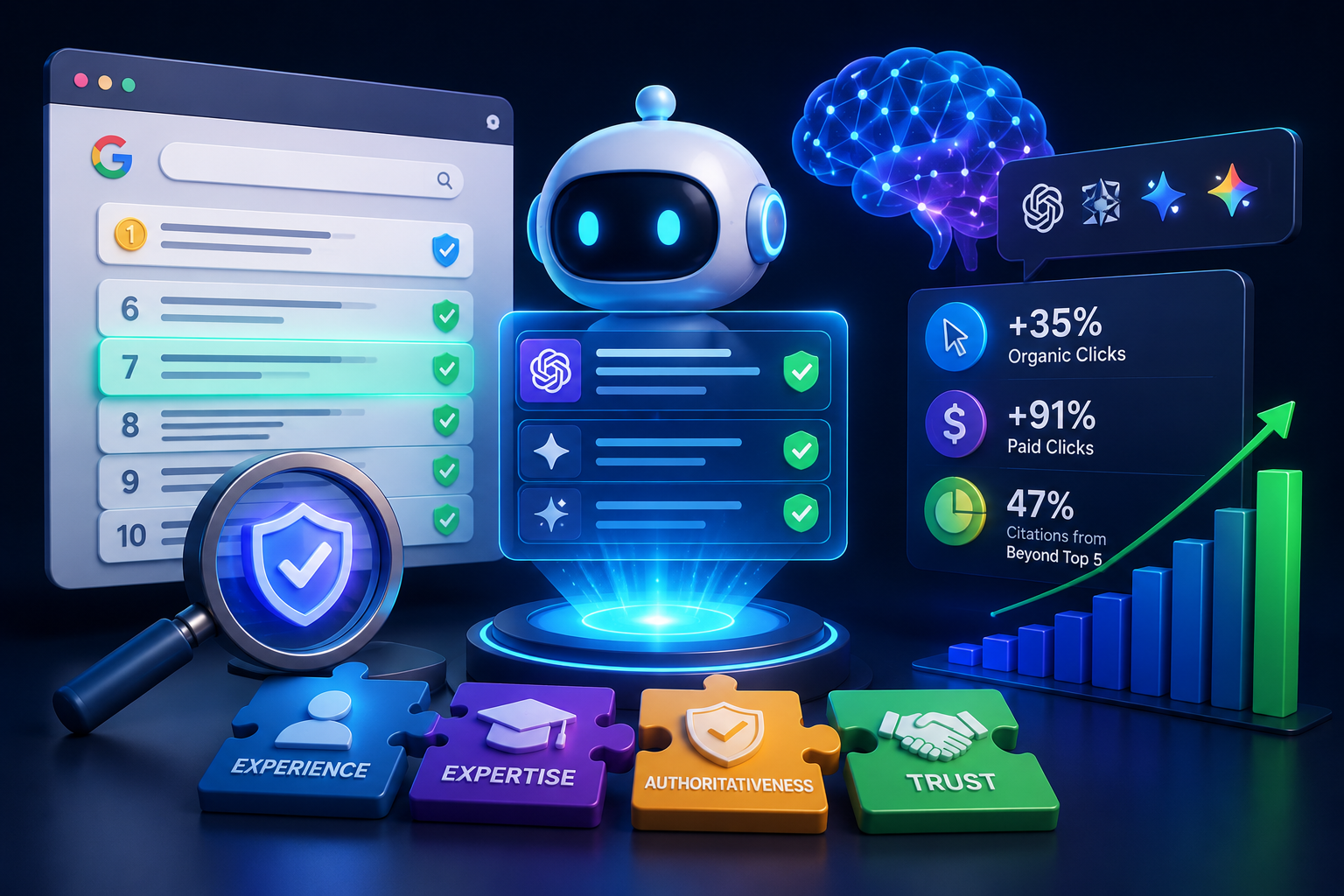
Generative engines are highly selective about the sources they cite, prioritizing content that demonstrates high levels of Experience, Expertise, Authoritativeness, and Trustworthiness (E-E-A-T).
To satisfy these algorithms, your content must feature verified author profiles complete with clear bios, links to professional histories, and documented industry credentials. Transparency is a powerful trust signal, so ensure your site provides easy access to an up-to-date corporate footprint, including an in-depth about page, clear contact details, a comprehensive privacy policy, and explicit terms of service.

Finally, support your educational content with verified proof of service. Integrating deep-dive case studies, client success video interviews, and direct customer testimonials across your transactional pages provides the real-world validation that algorithms require before recommending your business to users.

Final AI SEO Action Plan

Once you complete your AI SEO audit checklist, organize your findings into a practical, phased development roadmap rather than trying to fix everything at once.

Phase 1: Quick Structural Wins

Start by cleaning up your immediate technical errors. Repair all broken internal links, fix redirect chains, and clear out any JSON-LD schema code errors using validation tools. Update your root directory files to properly allow modern search bots, and add conversational FAQ text blocks to your highest-performing service pages to capture low-hanging search real estate.

Phase 2: Priority Strategic Updates

Focus on improving your core content machine readability. Reformat dense text blocks using clear structural headings and scannable paragraph layouts. Deploy comprehensive organizational, product, and service schema layers across your commercial pages, and systematically build internal links from high-authority informational articles down into your transactional landing pages.

Phase 3: Long-Term Growth Work

Establish sustainable market dominance by launching comprehensive content clusters tailored to specific industry niches. Build out detailed pricing guides and transparent agency comparison matrices to satisfy commercial intent queries. Finally, establish a workflow to monitor your conversational share of voice monthly, allowing you to accurately measure your long-term performance shifts.

Want a clear view of your AI search readiness?

Deftsoft can audit your website for technical SEO, schema, content quality, internal linking, brand signals, and AI visibility.

Explore Our AI SEO Services

FAQs

What is an AI SEO audit?

It is a structural review of a website designed to evaluate how easily generative engines crawl, interpret, and cite your content. Unlike traditional audits that focus solely on standard keyword placements, it analyzes schema microdata, machine readability, entity mapping, and visibility in conversational engines.

Why does my website need an AI SEO audit?

Traditional optimization tools are blind to conversational layouts. If your site code or content structure makes it difficult for automated scrapers to pull summaries or verify your brand details, your business will miss out on direct citations inside Google AI Overviews, ChatGPT, and Perplexity answers.

What should an AI SEO audit include?

A thorough review covers six critical areas: foundational technical performance, crawler access configuration in your robots settings, semantic schema maps, content formatting for natural language processing, off-site entity brand signals, and direct visibility testing across conversational engines.

How do I check if ChatGPT mentions my brand?

You must test the interface directly with commercial search queries such as “What are the top software solutions for [your industry]?” or “Who provides specialized services for [your niche]?” This helps you analyze whether the system recommends your brand or cites your domain as a trusted source.

Is schema markup important for AI SEO?

Yes, it is vital. A structured schema serves as a direct, machine-readable data layer for search algorithms. Properly implementing code layers such as organization, service, and product markup removes ambiguity about what your business offers, making it easier for AI tools to extract accurate details.

How often should I run an AI SEO audit?

You should run a full technical and structural check at least once every six months. Because generative platforms, LLM user-agents, and search scraper rules evolve rapidly, keeping tabs on your system access controls and citation trends prevents sudden drops in digital visibility.

Can an AI SEO audit improve Google rankings?

Yes. The technical updates required for machine readability—such as fast loading times, clean code, logical internal linking, and rich schema markup—align directly with Google’s core ranking signals for traditional organic search results.

How to Add an AI Chatbot to Your Website in 2026

Imagine walking into a physical store, looking around with a specific question in mind, and finding absolutely no one around to help you. You would likely walk out within a couple of minutes.

That is exactly what happens on your website every single day. When visitors arrive, they want instant answers. If they have to sift through static, outdated FAQ pages or fill out a contact form just to wait 24 hours for a reply, they will simply leave and head straight to a competitor.

In 2026, static websites no longer make the cut. AI chatbots have evolved from simple auto-responders into deeply integrated, contextual assistants. Modern conversational interfaces can seamlessly read your business content, sync with your customer relationship management (CRM) software, and qualify leads in real time. Industry data from Google Cloud shows that training AI chatbots on your specific business data enables you to scale customer support smoothly, reduce operational costs, and significantly improve the user experience.

If you are wondering how to add AI chatbot to website ecosystems effectively, this guide will walk you through the options, architectural choices, and implementation steps to get it right.

Quick Summary

  • An AI chatbot for website deployments helps answer visitor questions, capture leads, and automate customer support.
  • You can add a chatbot for website use cases via ready-made software platforms, custom development, or API integrations.
  • The ideal approach depends entirely on your CMS platform, data privacy requirements, backend complexity, and budget.
  • A high-performing bot must integrate with your knowledge base, internal CRMs, live-agent handoff protocols, and booking tools.
  • Investing in bespoke systems yields greater data security, precise control over prompt engineering, and deeper workflow automation.

Want to add a smart AI chatbot to your website?

Deftsoft can help you build a custom AI chatbot that supports users, captures leads, and connects with your business tools.

Quick Navigation

What Is an AI Chatbot for a Website?

Why Add an AI Chatbot to Your Website in 2026?

Industry Applicability

Types of Website Chatbots You Can Add

Step-by-Step Process to Add an AI Chatbot to Your Website

Step 1: Define the Chatbot’s Core Goal

Step 2: Choose Between a Ready-Made Tool and Custom Development

Step 3: Prepare Your Website Content and Knowledge Base

Step 4: Select the Right AI Model Architecture

Step 5: Design the Chatbot Conversation Flow

Step 6: Integrate the Chatbot with Your Website

Step 7: Connect CRM and Operational Business Tools

Step 8: Test Accuracy, Safety, and User Experience

Step 9: Launch, Track, and Continuous Optimization

Must-Have Features in a Website AI Chatbot

Ready-Made Chatbot vs. Custom AI Chatbot

AI Chatbot Cost Factors

Common Mistakes to Avoid

When Should You Choose Custom AI Chatbot Development?

Frequently Asked Questions

What Is an AI Chatbot for a Website?

A website AI chatbot is a specialized conversational interface embedded into your site to engage visitors in natural, human-like dialogue. Unlike old-school, rule-based bots that rely strictly on rigid “if-then” logic trees and button clicks, a modern website AI chatbot uses Natural Language Processing (NLP) to understand user intent, context, and variations in phrasing.

An AI chatbot for business website deployments acts as an automated extension of your sales and support teams. By deploying an AI chatbot with access to your knowledge base, the software dynamically analyzes your internal documents, articles, and product catalogs to provide highly accurate, contextual answers rather than generic scripts.

Why Add an AI Chatbot to Your Website in 2026?

Deploying a smart assistant transforms your digital presence from a passive brochure into an active sales funnel.

  • Instant 24/7 Availability: Your human staff needs sleep; your bot does not. It handles midnight inquiries instantly across global time zones.
  • Higher Conversion Rates: By resolving buying objections right on the product page, you reduce bounce rates and drive checkouts.
  • Smart Lead Capture: Instead of forcing users to fill out cold forms, an AI chatbot for lead generation gathers contact info organically through conversation.
  • Reduced Support Load: Deflect up to 80% of repetitive tickets, allowing your customer service team to focus on complex, high-value issues.
  • Seamless Human Handoff: If a conversation escalates or requires a human touch, the AI chatbot for customer support transfers the history cleanly to a live agent.

Industry Applicability

While any business can benefit, specific industries see massive returns on investment:

  • Ecommerce & Retail: Real-time order tracking, size guides, and personalized product recommendations.
  • SaaS & Tech: Instant technical troubleshooting, documentation searches, and API onboarding help.
  • Healthcare & Education: Automated appointment scheduling, course enrollment details, and basic triaging.
  • Real Estate & Finance: Fast mortgage calculations, property viewing bookings, and initial lead qualification.

Types of Website Chatbots You Can Add

Before diving into development, you need to choose the technical architecture that matches your business needs.

  • Rule-Based Chatbots: These run on strict scripts. If a user types a phrase outside the pre-programmed options, the bot breaks. They are best used only for simple, predictable FAQ navigation.
  • Conversational AI Chatbots: These use machine learning to recognize intent. Users can type naturally, and the bot accurately maps the query to the correct answer.
  • Generative AI Chatbots: Powered by Large Language Models (LLMs),generative AI chatbots analyze your company’s actual data to generate unique, fluid, and helpful responses in real time.
  • AI Agent-Style Chatbots: The highest tier of AI chatbot integration are AI Agent style Chatbots. They don’t just talk—they act. They can talk to external APIs to modify database records, check shipping statuses, update CRMs, or book calendar slots autonomously.

Step-by-Step Process to Add an AI Chatbot to Your Website

Building a reliable, hallucination-free chatbot requires a systematic engineering workflow. Here is the step-by-step roadmap to plan your deployment.

Step 1: Define the Chatbot’s Core Goal

Determine exactly what success looks like. Will your bot primarily focus on driving AI chatbot-based website lead generation metrics, or is it designed to serve as an AI chatbot for customer support? Narrowing this down dictates your copy prompts, safety guardrails, and third-party integrations.

Step 2: Choose Between a Ready-Made Tool and Custom Development

Ready-made SaaS platforms offer fast deployment via basic visual interfaces but often lock you into rigid monthly pricing tiers and limit your control over data privacy. Choosing custom AI chatbot development gives you complete ownership of the underlying code, allows you to build custom UI elements, and lets you store data securely on your own cloud servers.

Step 3: Prepare Your Website Content and Knowledge Base

Your AI is only as smart as the data you feed it. Clean up your internal documents so your bot doesn’t pull incorrect info. Gather your comprehensive FAQs, product sheets, refund policies, and user manuals into structured formats like Markdown, PDFs, or clean sitemaps.

Step 4: Select the Right AI Model Architecture

Select the underlying engine powering your conversational workflows. Whether you build on OpenAI, Google Gemini, Anthropic Claude, or an open-source framework, keep long-term API lifecycles in mind.

Important Technical Note:

Developers should note that legacy models and architectural frameworks face scheduled lifecycles. For instance, any new development strategies should leverage the latest real-time unstructured response protocols rather than relying on deprecated assistant frameworks slated for deprecation.

Step 5: Design the Chatbot Conversation Flow

Map out the user experience carefully. Create a welcoming opening line, set up clear fallback responses for when the bot doesn’t know an answer, and design smooth transitions for scheduling product demos or transferring users to a live human agent.

Step 6: Integrate the Chatbot with Your Website

When you are ready to launch, you need to embed the software widget into your frontend code:

1. Embed Frontend Widget Script: Requires Code Access.Paste the generated JavaScript code snippet directly into your website’s global <footer> or <head> file so the chat bubble appears across all pages.

2. Configure CMS Plugins (Alternative): WordPress / Shopify.If you are running a standard platform, install the dedicated custom app or plugin wrapper to inject the script without manually editing your theme files.

3. Establish Backend API Webhooks: Secure Data Processing.Connect your custom webhooks to route user messages safely from your frontend interface to your secure AI processing servers.

Step 7: Connect CRM and Operational Business Tools

Ensure your conversational logs sync directly with your sales pipeline. Set up secure data pipelines to automatically pass user profiles, conversation transcripts, and lead statuses to platforms like HubSpot, Salesforce, Zoho, or scheduling tools like Calendly. This ensures you maintain an AI chatbot with CRM integration that automatically keeps your sales teams updated.

Step 8: Test Accuracy, Safety, and User Experience

Before pushing the bot live to the public, run thorough quality assurance checks. Test how the bot handles edge cases, weird inputs, and complex questions. Set up clear safety filters to prevent model manipulation, and make sure the chat interface adjusts smoothly across mobile screens.

Step 9: Launch, Track, and Continuous Optimization

Once live, analyze your conversational logs weekly. Identify common questions your bot missed, refine your system prompts, update your documentation, and monitor your lead conversion rates to steadily improve performance over time.

Must-Have Features in a Website AI Chatbot

To ensure your bot delivers a strong return on investment, ensure it includes these essential baseline features:

  • Natural Language Understanding (NLU): Correctly reads user intent even when typos, slang, or varied phrasing are used.
  • Dynamic Knowledge Base Syncing: Automatically updates its answers whenever you update your website content.
  • Instant Live Chat Handoff: Flags a human agent immediately when a high-value customer requests direct assistance.
  • Multi-Language Support: Automatically detects the user’s browser language to converse fluently in dozens of languages.
  • Comprehensive Analytics Dashboard: Tracks total conversations, popular topics, automated resolution rates, and user satisfaction scores.
  • Enterprise Data Security: Protects user privacy by ensuring full compliance with modern data regulations such as GDPR and CCPA.

Ready-Made Chatbot vs. Custom AI Chatbot

Choosing between a pre-packaged Chatbot platform and a custom build comes down to balancing convenience against long-term flexibility.

Comparison Factor Ready-Made Chatbot Platforms Custom AI Chatbot Development
Time to Market Hours to days Weeks
Initial Investment Low entry tier costs Higher upfront development
Data Privacy & Control Data sits on third-party servers Complete ownership and hosting control
UI/UX Customization Limited to standard templates Fully tailored to match your precise branding
Integration Flexibility Restricted to pre-built app marketplaces Unlimited connection to proprietary APIs
Scalability & API Overhead Can become expensive as volume grows Highly optimized for long-term operational costs

AI Chatbot Cost Factors

The overall cost of adding an intelligent conversational interface depends on several key technical components:

  • Development Framework Choice: Standard template rollouts cost significantly less than building a custom system from scratch.
  • Data Corpus Size: Processing thousands of technical manuals or product pages requires more training, engineering, and testing hours.
  • Integration Ecosystem: Simple web widgets are highly affordable, while connecting to complex internal enterprise resource planning (ERP) systems increases setup costs.
  • Ongoing Token and API Fees: Expect variable monthly running costs based on your total conversation volume and your choice of language model.

Common Mistakes to Avoid

  • Launching Without a Clear Human Escape Hatch: Forcing a frustrated user into an endless loop with a bot creates a poor user experience. Always provide a clear way to connect with a human agent.
  • Failing to Guardrail the Model: Unrestricted text boxes can invite creative manipulation. Implement strict system prompts to keep your bot focused on your business and prevent it from writing random code or discussing unrelated topics.
  • Overcomplicating the First Interaction: Don’t hit users with a long five-question form right when they click the chat bubble. Let them ask their question naturally first, then gather details as the conversation continues.

When Should You Choose Custom AI Chatbot Development?

Custom AI Chatbot Development
While simple out-of-the-box software works well for small blogs, growing businesses quickly run into structural limitations with ready-made platforms. You should consider investing in professional custom AI chatbot development if you need to:

  • Run your chatbot securely within a private cloud infrastructure to protect sensitive user data.
  • Connect your bot directly to custom internal databases or legacy software setups.
  • Give your bot action-oriented capabilities, like modifying real-time customer orders or changing account preferences.
  • Design a fully custom chat interface that perfectly matches your brand identity.

At Deftsoft, our engineering teams build high-performance, secure conversational systems tailored specifically to your unique business goals. Whether you want to optimize customer support or accelerate your lead capture pipeline, we can design an intelligent system built for long-term growth.

Ready to Add an AI Chatbot to Your Website?

Deftsoft can help you design, develop, and integrate a custom AI chatbot for customer support, lead generation, bookings, ecommerce, SaaS, and business automation.

Frequently Asked Questions

1. How do I add an AI chatbot to my website?

To add an AI chatbot, define its main goals, clean up your support documents, choose your model or framework, configure the backend conversational flows, connect your internal business tools, and paste the final JavaScript widget code directly into your website’s HTML template.

2. What is the best AI chatbot for a website?

The right option depends entirely on your specific business goals. Basic websites often find everything they need in standard visual platform builders, while scaling brands, ecommerce shops, and enterprise organizations usually require custom development to ensure smooth data syncing and complete system control.

3. How much does it cost to add an AI chatbot to a website?

Total costs vary depending on the complexity of your bot, the size of your training data, your integration needs, and your development path. Simple third-party platform subscriptions offer low monthly entry rates, whereas enterprise-grade custom solutions involve higher upfront development costs but offer lower long-term scaling fees.

4. Can an AI chatbot generate leads from my website?

Yes. An AI chatbot qualifies prospects by asking targeted questions naturally during the conversation, collecting verified contact info, and passing those clean leads directly to your sales team’s CRM software.

5. Can I add an AI chatbot to a WordPress or Shopify website?

Yes. You can easily integrate an AI chatbot into major content management systems like WordPress or Shopify using dedicated apps, official plugins, or by dropping custom JavaScript snippets straight into your global theme headers.

6. What content is needed to train a website AI chatbot?

You can train a website chatbot using your existing FAQs, product sheets, pricing tables, return guidelines, company handbooks, support tickets, and raw website URLs.

7. Should I use a ready-made chatbot or a custom AI chatbot?

Choose a ready-made platform if you need a simple FAQ assistant rolled out quickly on a limited budget. Choose a custom build if you require unique integrations, deep database functionality, complete brand control, or strict data privacy.

AI SEO Services Pricing: How Much Does AI SEO Cost in 2026?

Let’s be completely honest: if an agency tries to sell you an AI SEO package that is just a standard 2022 SEO retainer with a few ChatGPT prompts thrown in, you are getting ripped off.

In 2026, search looks entirely different. It is no longer just about blue links on a screen. Your potential clients are actively using Google AI Overviews, ChatGPT, Perplexity, Gemini, and Bing Copilot to find software, vendors, and services. Optimizing your digital footprint so these large language models (LLMs) actually recommend your brand requires a completely different data infrastructure, tracking software, and optimization techniques.

Naturally, the specialized skill sets and custom software required to win these placements change the financial math. If you are trying to map out your digital marketing budget, you need to know exactly how much AI SEO services pricing scales and what you should actually be paying for.

Need a clear AI SEO cost estimate for your website?

Get a tailored AI SEO consultation from Deftsoft and understand what your website really needs to dominate modern search engines.

Quick Navigation


What Is AI SEO Pricing Based On?

Website Footprint & Structural Scale

Industry Competitive Density

Current Technical Infrastructure and Content Quality

Advanced AI Visibility Tracking Goals

Why AI SEO Costs More Than Traditional SEO

Main Factors That Affect AI SEO Cost

1. Website Size & Technical Complexity

2. Market Vertical & Competitive Benchmarks

3. Comprehensive Technical and Content Refinement

4. Advanced Visibility Tracking Across LLMs

5. Advanced Schema Markup & Multi-Platform Engine Optimization

Common AI SEO Pricing Models

One-Time AI SEO Audit

Monthly AI SEO Packages

Project-Based AI SEO

Enterprise AI SEO

What Should Be Included in AI SEO Packages?

AI SEO Pricing by Business Type

Small and Growing Businesses

Mid-Market B2B & SaaS Companies

E-commerce Brands

Enterprise Corporate Brands

Red Flags to Avoid in AI SEO Pricing

How To Choose the Right AI SEO Company

Demand an Audit-First Process

Review Their Tracking Technology

Look for Holistic Execution Capabilities

Frequently Asked Questions

What Is AI SEO Pricing Based On?

When you look at a proposal for an AI SEO cost, the numbers aren’t pulled out of thin air. The baseline resource investment is calculated across several structural layers of your digital presence.

Website Footprint & Structural Scale

An enterprise site with 50,000 indexable pages requires massive programmatic schema implementation compared to a local 10-page service business. The more data points an LLM has to crawl, parse, and verify on your site, the more engineering hours go into the project.

Industry Competitive Density

If you are competing in a high-density market like B2B SaaS or fintech, your competitors are already actively engineering their sites for AI visibility. Outranking them in conversational search answers requires deep, continuous entity gap analysis, which naturally raises the baseline pricing for AI SEO agencies.

Current Technical Infrastructure and Content Quality

LLMs are incredibly picky about how they read data. If your site has chaotic internal linking, messy JavaScript rendering, or thin content, an agency has to spend the first 30 to 60 days purely on foundational remediation before they can even touch conversational optimization.

Advanced AI Visibility Tracking Goals

Unlike tracking keywords on a standard dashboard, monitoring your brand mentions in Perplexity or ChatGPT requires specialized API integrations and custom search-intent scraping. The complexity of the specific platforms you want to track directly influences your AI SEO company pricing and overall AI SEO monthly cost.

Why AI SEO Costs More Than Traditional SEO

AI SEO Costs

A common question we hear from founders is: “Why should I pay a premium for AI SEO when traditional SEO agencies are offering cheaper monthly retainers?”

The short answer is that traditional SEO handles only half the equation. Traditional SEO focuses on optimizing your metadata, backend speed, and backlink profile to rank high in standard search results. AI SEO pricing vs traditional SEO pricing reflects a shift from keyword optimization to entity optimization.

Consider this real-world scenario: A user types “best project management tool for remote creative teams” into Perplexity. Perplexity does not just look at who has the best keyword density for that phrase. It scrapes the web, processes user reviews, checks brand citations across forums, and cross-references structured data to construct an answer in real time.

To position your business as the definitive answer within that ecosystem, an agency must manage advanced AI search-optimization pricing variables, configure API-driven schemas, and budget for specialized AI visibility-tracking tools. You are paying for a data-science approach to visibility, rather than just basic copywriting and link building.

Main Factors That Affect AI SEO Cost

To help you properly audit a digital marketing proposal, let’s break down the specific operational line items that shape AI SEO service cost brackets.

1. Website Size & Technical Complexity

Every single page on your site represents a data node to an AI model. A larger footprint means a higher initial AI SEO audit cost because the engineering team has to run comprehensive vector-search simulations to see how current LLMs categorize your site’s topic authority.

2. Market Vertical & Competitive Benchmarks

Optimizing content for niche vertical spaces changes the resource requirements:

  • AI SEO pricing for SaaS companies: Focuses heavily on specific feature-function integration queries and developer docs indexation.
  • AI SEO pricing for ecommerce websites: Focuses on real-time inventory schemas, product attribute clarity, and Merchant Center feeds so that Google’s AI Overview pullouts display correct pricing and stock data.
  • Enterprise AI SEO pricing: Involves massive, multi-layered alignment across international subdomains and complex brand citation networks.

3. Comprehensive Technical and Content Refinement

AI search engines prioritize concise, direct answers that explicitly resolve a searcher’s intent. If your existing content is buried under fluff, your agency must completely restructure your informational architecture. This involves executing targeted entity injection, content pruning, and text block restructuring for rapid semantic parsing.

4. Advanced Visibility Tracking Across LLMs

Standard keyword rank trackers cannot tell you if your brand was recommended in a private ChatGPT user session. To monitor this, agencies use advanced, specialized software stacks. Your monthly investment includes specialized ChatGPT SEO pricing and Perplexity SEO pricing monitoring tools required to verify your ongoing visibility.

5. Advanced Schema Markup & Multi-Platform Engine Optimization

To ensure your brand appears natively inside search summaries, your tech stack requires specialized engineering. This includes the development of custom, nested JSON-LD schemas and active optimization across multiple platforms. Managing the complex Google AI Overview optimization cost means building code frameworks that clearly explain your brand’s relationships, products, and services directly to search crawlers.

Common AI SEO Pricing Models

Agencies structure their commercial agreements based on your company’s operational size and goals. Here are the four primary models found in the market today.

One-Time AI SEO Audit

Perfect for companies with an in-house development team that just need a highly technical roadmap. This audit isn’t a generic software export; it is a deep architectural evaluation of how LLMs index your brand.

  • Average Cost: $2,500 – $7,500 one-time
  • Core Deliverables: Vector semantic gap analysis, structured data validation, entity health assessment, and an LLM indexing roadmap.

Monthly AI SEO Packages

The standard retainer model for continuous, hands-free optimization, content restructuring, and visibility management.

  • Average Cost: $3,500 – $10,000+ per month
  • Core Deliverables: Continuous entity optimization, modern citation building, ongoing technical schema updates, content generation, and monthly cross-platform tracking reports.

Project-Based AI SEO

Best for clear, time-bound initiatives, such as a major website migration or the launch of a massive new product line that needs immediate recognition across conversational engines.

  • Average Cost: $5,000 – $20,000+ per project
  • Core Deliverables: Intent mapping for new product lines, historical content restructuring, and targeted authority building for specific topical clusters.

Enterprise AI SEO

Designed for multinational corporations, complex marketplace websites, or highly regulated industries requiring dedicated data engineering resources.

  • Average Cost: $12,000 – $30,000+ per month
  • Core Deliverables: Custom API monitoring integrations, global brand graph engineering, continuous semantic sentiment monitoring, and dedicated account support teams.

What Should Be Included in AI SEO Packages?

If you are evaluating comprehensive AI SEO packages, look past general promises like “more traffic” and check the scope of work for these non-negotiable deliverables.

WHAT A MODERN PACKAGE REQUIRES
Semantic Entity Audits Nested JSON-LD Schema
Conversational Tracking Historical Refactoring

A comprehensive package should always feature a deep technical evaluation, including an initial semantic audit to analyze how generative models interpret your brand’s core topical authority. The technical execution must go beyond basic metadata to include nested JSON-LD schema deployment that explicitly defines your brand assets, authors, and product features for automated web scrapers.

Furthermore, make sure the package details an explicit strategy for conversational visibility tracking. It should map out exactly how your business will monitor brand share across platforms like ChatGPT, Gemini, and Perplexity, while also accounting for the specific LLM SEO services cost required to refactor old content into highly scannable formats.

AI SEO Pricing by Business Type

Your operational size dictates your specific optimization roadmap. Let’s break down exactly what realistic pricing tiers look like across different business profiles.

Small and Growing Businesses

  • Investment Range: $2,000 – $4,000 / month
  • Strategic Focus: Local entity dominance, building highly optimized FAQ structures for voice search, and securing clean citations across core directories. It provides affordable AI SEO services for hyper-targeted local markets.

Mid-Market B2B & SaaS Companies

  • Investment Range: $4,500 – $9,500 / month
  • Strategic Focus: Dominating conversational comparison queries (e.g., “Alternative to Brand X”), publishing authoritative original research reports, and building out rigorous thematic topical clusters.

E-commerce Brands

  • Investment Range: $6,000 – $12,000+ / month
  • Strategic Focus: Real-time data sync for merchant feeds, programmatic merchant schema optimization, and monitoring product feature pull-outs inside Google AI Overviews.

Enterprise Corporate Brands

  • Investment Range: $15,000+ / month
  • Strategic Focus: Brand-graph asset management, sentiment risk monitoring across LLM training sets, and custom data warehouse integrations for visibility analytics.

Red Flags to Avoid in AI SEO Pricing

The sudden rise of conversational search has brought a wave of low-quality providers who use buzzwords to sell basic services. Keep an eye out for these explicit red flags during vendor conversations.

“Guaranteed Top Rankings in Google AI Overviews or ChatGPT”

Generative models change their search outputs based on user context, conversational history, and personalized intent profiles. Anyone guaranteeing a permanent, fixed #1 slot in an AI Overview response does not understand how real-time vector synthesis works.

Mass-Produced, Unedited AI Content Bundles

If an agency brags about its ability to publish 500 automated blog posts a month using simple API scripts, run away. Search engines actively penalize low-effort, repetitive informational fluff. True AI search optimization relies on unique insights, proprietary data, and high editorial standards.

No Mentions of Technical Schema or API Tracking

If an agency’s proposal looks identical to a traditional SEO package—focusing entirely on meta titles, descriptions, and basic link placement—they are not equipped to deliver real conversational optimization. Without advanced schema optimization and real-time tracking metrics, you are paying a premium for outdated techniques.

How To Choose the Right AI SEO Company

Selecting an agency partnership shouldn’t feel like a guessing game. Focus your evaluation process around these core operational pillars.

Demand an Audit-First Process

A professional AI SEO consultant or agency will never sell you a flat package right out of the gate without looking under the hood first. They should always start with a diagnostic evaluation of your current entity authority and technical indexing hurdles.

Review Their Tracking Technology

Ask them directly: “How exactly will you report our brand’s share of voice inside platforms like Perplexity, ChatGPT, and Gemini?” If they cannot show you a clear, data-backed reporting dashboard that tracks conversational citations, they cannot measure your actual return on investment.

Look for Holistic Execution Capabilities

The ideal partner should bring a balanced team to the table: technical data engineers who understand nested code structures, experienced content strategists who can write with authentic human authority, and analytics experts who know how to extract meaning from modern search datasets.

Want to know exactly what AI SEO should cost for your website?

Deftsoft can review your digital footprint and help you choose a high-impact AI SEO plan tailored to your market goals, industry competition, and current search visibility.

Frequently Asked Questions

1. How much does AI SEO cost in 2026?

For mid-market companies, comprehensive monthly retainers typically range from $3,500 to $10,000. One-time foundational technical audits generally start around $2,500, while complex enterprise deployments scale well past $15,000 per month.

2. What main factors affect AI SEO services pricing?

Pricing scales based on your total website size, the direct competitive density of your industry vertical, the existing health of your technical code, and the specific number of conversational engines you want to track and optimize for.

3. Is AI SEO more expensive than traditional SEO?

Yes, it generally carries a higher investment level because it requires specialized data tools and advanced development skills. While traditional SEO focuses on keyword placement and basic backlink acquisition, AI SEO encompasses advanced entity graph mapping, custom schema development, and cross-LLM tracking.

4. What should be included in comprehensive AI SEO packages?

A professional package should include a deep semantic entity audit, technical nested schema implementation, historical content restructuring, entity citation building, and dedicated cross-platform brand visibility tracking.

5. How much does an AI SEO audit cost?

A technical, standalone audit ranges between $2,500 and $7,500. This covers vector semantic mapping, analysis of your brand’s conversational presence, identification of structural schema errors, and an actionable technical implementation guide.

6. Are AI SEO services useful for small businesses?

Absolutely, but the focus on execution shifts. Small businesses don’t need massive programmatic scripts. Instead, they benefit from targeted local entity optimization, structured FAQ frameworks, and clean review citations that ensure voice assistants and local AI overlays pick them as the top option.

7. Can an AI SEO agency guarantee rankings in Google AI Overviews?

No. Because LLM engines synthesize responses dynamically based on real-time data and user intent profiles, fixed rankings cannot be guaranteed. A legitimate agency focuses on maximizing your overall brand authority, citation frequency, and entity context to ensure you are consistently recommended.