Cracking the Code: How dApps Differ from Traditional Apps

Welcome to the world of Web 3.0, where the world is dominated by Artificial Intelligence, NFTs, decentralization, and whatnot. dApps are the epitome of Web 3.0 as they mark the beginning of a new era. The global decentralized apps (dApps) market is forecasted to witness a golden era between 2024 and 2030, especially in North America. 

The dApp market size is expected to grow by millions by 2031 with an exponential CAGR. According to Google Trends, the interest has shot up significantly over time.
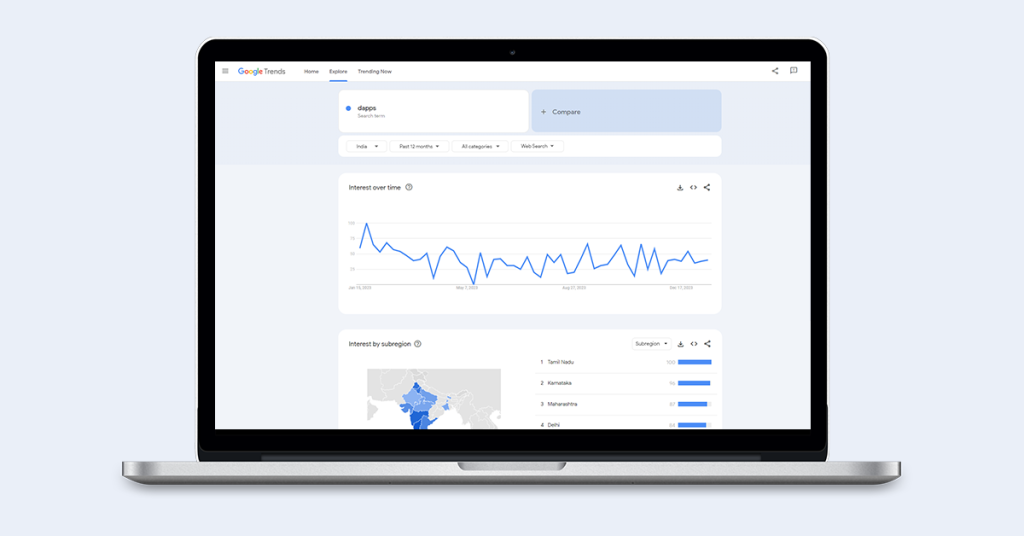
dApps

In this blog, you will learn what a dApp is, how it is different from traditional apps with the help of a real-life example, how a dApp works, and lastly, what the benefits and disadvantages of these dApps are. 

Let’s delve into the unconventional world of decentralized apps.

What’s the Fuss about dApps?

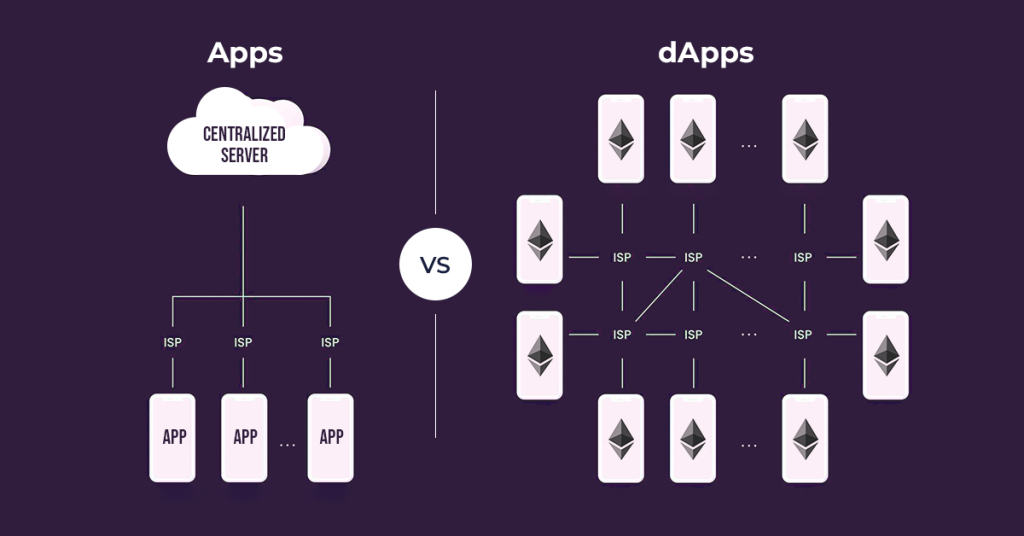
Expanded as Decentralized Applications (dApps), dApps are not controlled by any organization as they are not hosted on servers, unlike conventional mobile apps. This means that the app user can directly access these dApps through blockchain or any other kind of decentralized computing. It is an open-source software platform applicable to decentralized blockchains.
dApps

Before you begin relating the term dApps with cryptocurrency like Bitcoin, let me stop you right there! You need to know that dApps can only be built on smart contract networks. This means that Bitcoin cannot use dApps. On the other hand, Ethereum can utilize smart contracts, which are nothing but a chunk of code that comprises a program to be run by the dApps.

To sum up, dApps are made up of two major things:

  • A front end to be used by a user
  • A back end that either depends on the code instructed in the smart contracts or a peer-to-peer (P2P) blockchain network

How is a dApp Different from a Traditional Web 2.0 App?
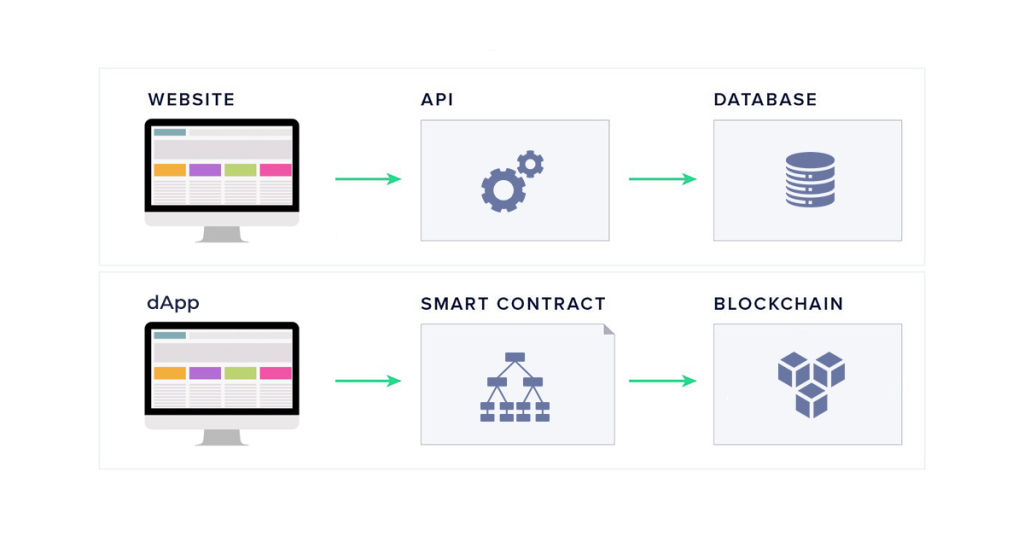
dApp Different from a Traditional Web 2.0 App

Let’s understand how a dApp differs from a traditional app by taking the example of a social media app like Instagram. The app is created by some creators and is hosted on cloud services such as Amazon Web Services (AWS). This means that a central authority is involved when a user uses the app. In fact, it can even face downtime due to technical reasons.

dApps, on the other hand, are not under the control of any authority, do not experience downtime, and remain up and running 24/7. The best part about dApps is that you can access the source code (smart contract) by paying the developer in cryptocurrency. Therefore, a dApp is transparent, doesn’t rely on a central authority, and is decentralized.

The highlighting differences between the two are evident from the following pointers:

dApps

  • A dApp is not owned by any organization or individual.
  • It runs on blockchain or decentralized computing.
  • It can never be closed and never faces downtime.
  • There is transparency in the source code through the smart contract.
  • A user can access a dApp by exchanging tokens.

Traditional Apps

  • A traditional app has an owner and is hosted on servers.
  • It runs on the Internet or the traditional Web 2.0.
  • A traditional app like Facebook can experience downtime.
  • A user can never crack the source code of a conventional Web 2.0 app.
  • Transactions are made through currencies such as USD.

What’s a Real-Life Example of a dApp?

“Everything that can be decentralized, will be decentralized”.

“Johnston’s Law”

dApps have established their unmatched identity in various industries. We have quoted examples from real life in the gaming and financial sectors. The examples are as follows:

A Gaming dApp at a Glance

dApps are an emerging technology trickling into industries such as banking and finance, gaming, social media, and online shopping. One of the best real-life examples of a dApp is Cryptokitties.
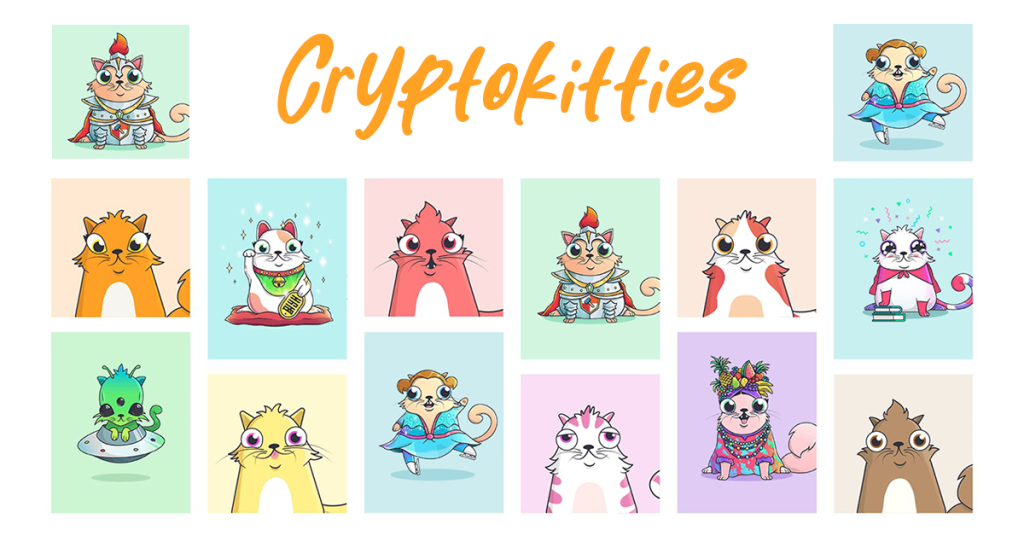
 Cryptokitties

Tiny kitties can be purchased using the dApp Cryptokitties. In a technical sense, what you are purchasing is the NFT data of rights to that particular token, which stands in for that cat.

You may gather these kittens and even breed them to produce additional kittens, which is the entertaining aspect of the game. If you play the game for a long enough period of time, you can sell older-generation kittens for a profit or a loss because they are typically more valuable.

Even more strangely, you can use the blockchain to rent out your kitten so that it can procreate with someone else’s kitten.

Decentralized Financial App on the Go

Many apps are designed for lending and borrowing. The well-known one is AAVE.
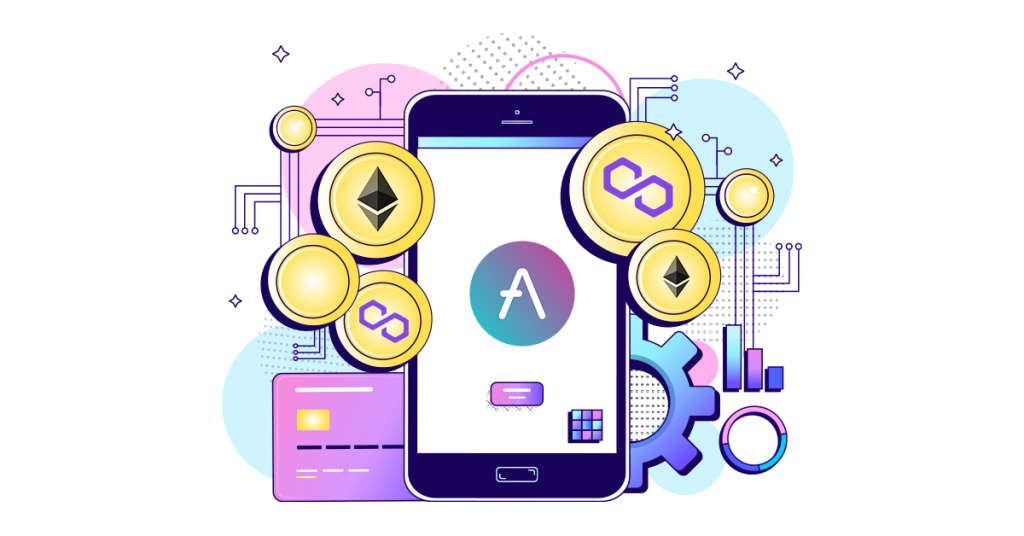
AAVE

Any user can fund specific smart contracts with ETH or MATIC tokens using the AAVE platform. You may practically invest your coins and tokens when you deposit them, since you will be rewarded with an interest rate. 

Additionally, if you have provided sufficient collateral, AAVE lets you borrow tokens. To cut to the chase, this lets you take out loans at various interest rates and even set up margin positions.

How does a dApp Work?

The backend code of a decentralized app runs on a peer-to-peer decentralized network. Like regular apps, it can also have a frontend and a user interface written in any language. You can host the front end on any decentralized server, such as IPFS. dApps operate similarly to traditional apps, with the following few exceptions as addressed below:

The following features of the dApp are noteworthy:

  • Decentralized: A decentralized application runs on Ethereum, a public, open platform.
  • Consistency: dApps operate the same way regardless of the environment they run in.
  • Agile: Given the necessary resources, dApps can carry out any task.
  • Isolated virtual environment: Decentralized applications run within the Ethereum Virtual Machine, a virtualized environment designed to prevent smart contract bugs from interfering with the regular operation of the blockchain network.

What are the Benefits of dApps?
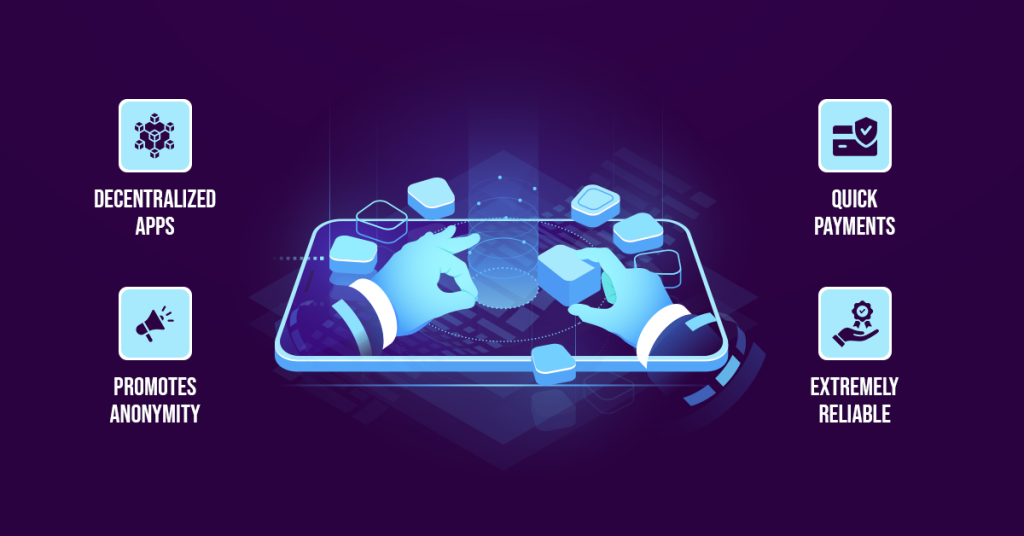
Benefits of dApps

The benefits of dApps are mentioned below:

  • Decentralized apps: These applications are not compromised because they are decentralized, and it is impossible to alter the records. Furthermore, be aware that they are incredibly secure and do not pose a risk of hacking, intrusion, or any other potentially harmful activity.
  • Promotes anonymity: These apps do not require users to complete drawn-out registration procedures, which supports greater anonymity.
  • Quick payments: They allow instant processing because there are no intermediary apps, such as integrated payment gateways.
  • Extremely reliable: It provides reliable data records because users can access the public blockchain to verify transaction details.

What are the Disadvantages of dApps?

Given how wonderful everything seems, why don’t more people use decentralized apps? Well, there are numerous drawbacks, thus defying it as the users’ first choice.

  • Extremely high costs: The price is becoming the worst aspect of separated programs. All of it just comes at a high financial cost. It will also cost you money to maintain any information on the blockchain. Furthermore, the price is simply too high.
  • Immutable data: Since dApps operate on a decentralized model, it is impossible to modify code, as everything is immutable. 
  • Zero scalability: dApps cannot be scaled up due to decentralization and high security requirements. Even if you try to scale up the network, the dApps get overloaded because each node stores a large amount of transactional data.

Bottom Line

Since security is the utmost priority in today’s times, decentralization is the future. After the introduction of decentralized cryptocurrencies like Bitcoin, it is time for the apps to transform into dApps. This blog is a gentle introduction to dApps and how they function, along with a few real-life examples. 
You can also explore dApps in other sectors, such as banking, e-commerce, and much more.
Level Up Your Design Game! 10 UI/UX Tips For A Winning App/Website In 2025

They say don’t judge a book by its cover. Yet, that’s different when it comes to designing a website. Your website design can make or break your first impression. If you’re building a cluttered website with a baffling number of buttons, it could deteriorate the user’s experience. Similarly, adding too many elements can be confusing, thus hampering a seamless user experience.

This is why understanding the art of UI/UX is vital. 80% of people agree to pay extra for a better use experience. This number is evidence of the fact that a seamless user experience can enhance your customer base. Whether it’s a website or mobile app, acing UI/UX should be the goal. This is why we have shared a list of best practices in UI/UX design

What is meant by User Interface (UI)?

User Interface (UI) refers to a complete digital visualization a user experiences when he visits a website/mobile application. It is the process of building user-friendly, aesthetic, and easy-to-navigate interfaces for apps or websites. Everything that a user interacts with on a website is a part of the UI.  For example, if a user taps on a ‘Search’ icon on a website and begins to type, it is a form of User Interface (UI). 

There are different types of user interfaces, such as:

  • Graphic-User Interface (GUI)
  • Command-Line Interface (CLI)
  • Touch User Interface
  • Natural Language (NL) User Interface

What is meant by User Experience (UX)?

The User Experience (UX) design focuses on the overall feel of a product or website. It is a process of designing visual designs, user interfaces, user testing, and problem-solving. In other words, a UX designer caters to the customers’ needs. For instance, if a user anticipates viewing blogs from a specific niche, a UX designer creates a particular niche.

The UX captures the user intent whereas the UI focuses on enhancing a website’s visual appeal and seamless navigation.

Why is UI/UX Design Important?

Following UX design best practices is imperative when building a customer-centric website or app. You can enhance user retention when your website or mobile app is responsive, efficient, and intuitive. When the user experience is exceptional, the user is compelled to convert. This is why UX design tips are valuable for an online business’s success. 

Combining best practices in UI/UX design and user targeting can contribute to a successful business. Understanding the importance of UI/UX design can help you stay ahead of the curve through the following advantages:

  • Enhanced user retention

When an application abides by mobile UX design best practices, the user empathizes with the content better. It is one of the best ways to seize a user’s attention. After all, enhanced user retention leads to increased ROI.

  • Customer conversion

Navigating through the website with ease is one of the positive indicators of following UX design best practices. When a user can quickly locate all the services without any fuss, the conversion rate is bound to shoot up. 

  • Better NPS

Enhanced customer satisfaction means a better Net Promoter Score (NPS) for your company. NPS is a great way to estimate customer satisfaction and loyalty, which can further help gauge a company’s success. Investing in customer-centric UI/UX services can be a significant game-changer for your business.

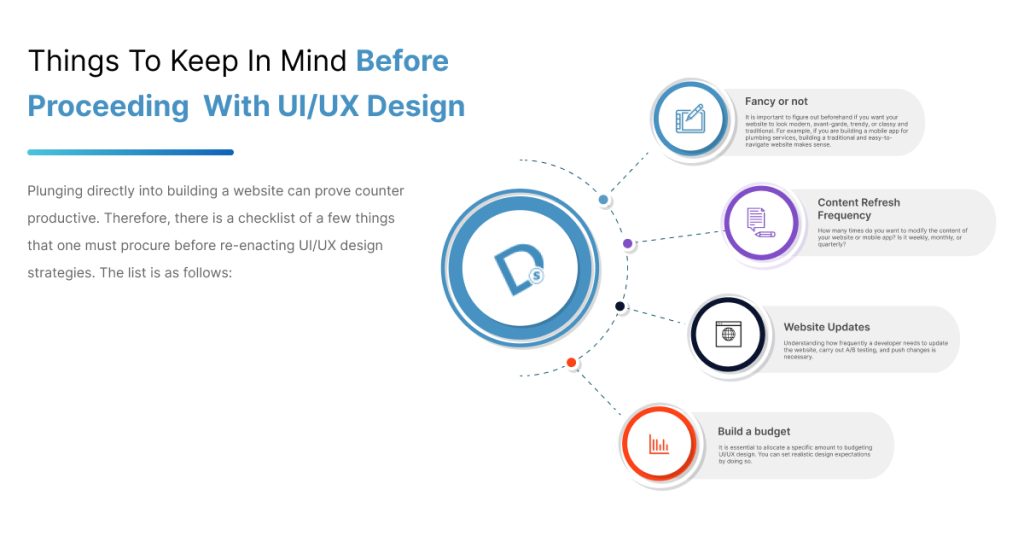
Things to keep in mind before proceeding with UI/UX Design

Plunging directly into building a website can prove counter-productive. Therefore, there is a checklist of a few things that one must procure before re-enacting UI/UX design strategies. The list is as follows:

UI/UX Design
  • Fancy or not?

It is important to figure out beforehand if you want your website to look modern, avant-garde, trendy, or classy and traditional. For example, if you are building a mobile app for plumbing services, building a traditional and easy-to-navigate website makes sense.

  • Content refresh frequency

How many times do you want to modify the content of your website or mobile app? Is it weekly, monthly, or quarterly?

  • Website updates

Understanding how frequently a developer needs to update the website, carry out A/B testing, and push changes is necessary.

  • Build a budget

It is essential to allocate a specific amount to budgeting UI/UX design. You can set realistic design expectations by doing so. 

Best Practices in UI/UX Design

The wait is finally over! Now that you know what things you need to keep in mind, we can go over the best practices in UI/UX design. 

  1. Form Design UX Best Practices

Here are some of the best UX design tips to build a highly-responsive website:

A. Fixed alignment

One of the best UI/UX design practices is working on the alignment of forms. It enhances user-readability and navigation. Make sure that the state is created in a single line. Focus on building a scroll-down form rather than a horizontally-expanded form.

B. Autosuggestions

Adding the auto-correct and autofill options are some of the best UX design tips. This method prompts the user to fill out the form till the end. For example, if a user makes a typo in writing a city’s name, it must be auto-corrected.

C. Keep it to the point

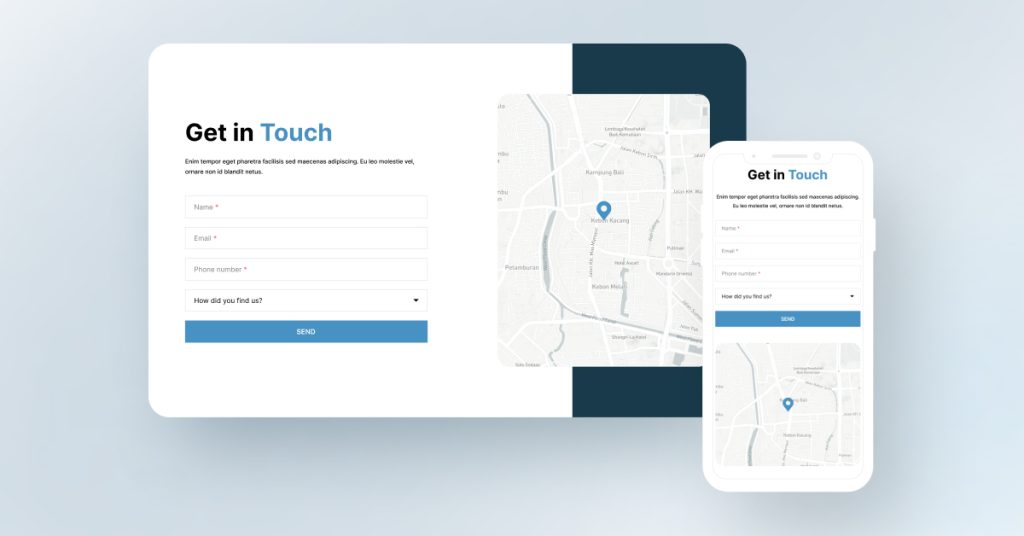
Refrain from beating around the bush by making the form shorter. Keep things crisp by keeping them to the point. When asking a user to join your service, a form with prompts like Name, Email, and Phone Number is ready.

Form Design

D. Clear CTA

It is crucial to add a clear and crisp Call-to-Action (CTA). This allows the user to comprehend the purpose of the form. For instance, a massive difference exists between ‘Join Now’ and ‘Sign Up’. These two phrases cannot be used interchangeably. Join now refers to joining a group/community, whereas sign-up is suitable for a subscription-based service.

2. Table UX Design Best Practices

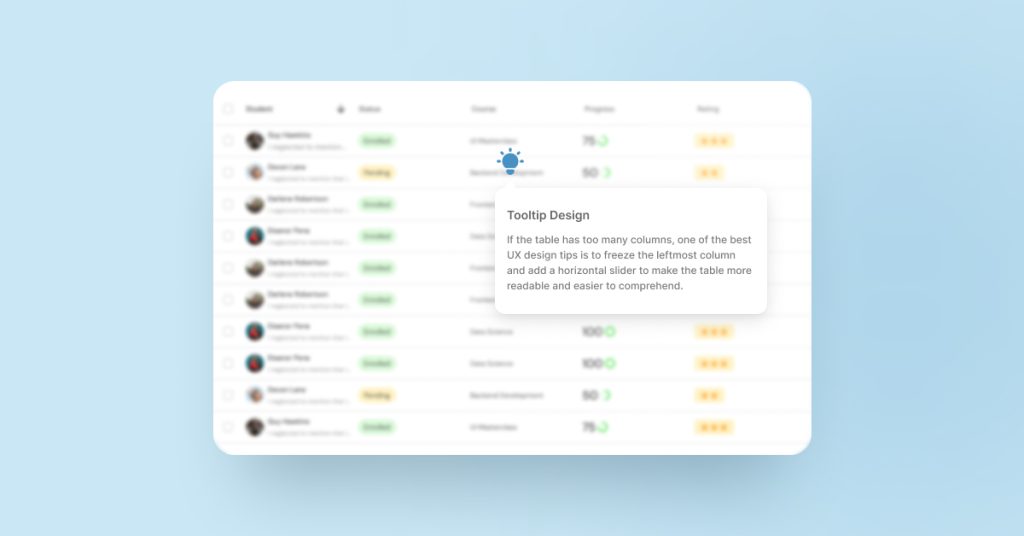
Table UX Design

When designing a table for a website or mobile app, the following recipe must be followed:

A. Prioritize table readability:

The Table that you create must be user-friendly. The rows and columns must be separated equally. Ensure that the columns with essential information are kept on the left side of the table. The headings of the table must be appropriately highlighted.

B. Make it interactive:

The UI table must be interactive and easy to navigate. It is crucial to add in-line filters for every row. A user must be able to sort the data and search the keywords easily through an option.

C. Numbers:

Make sure that the quantitative entities in the table such as marks, volume, weight, etc. are placed on the right side of the table. The format of a UI table must be the variable name on the left, followed by the number on the right.

UX design tips

D. Adjustable display density:

It is necessary to add an element of flexible display density to a table. This practice elevates user attention and readability. The table densities must also be optimized for mobile phones. You can play among the following three densities:

  • Condensed: 40px
  • Regular: 48px
  • Relaxed: 56px

3. Button UX Design Best Practices

Buttons are the most crucial and practical elements of a website. They’re most popularly used in a landing page to prompt user action, such as making a purchase, joining a community, signing up for a newsletter, etc.

One must follow the below-mentioned web/mobile UX design best practices to ensure a responsive website/app:

A. Button characteristics:

It is a crucial practice to optimize button size, shape, and color for a satisfactory user experience. 

  • Button size:

The recommended button sizes for iOS and Android smartphones are as follows:

  • iPhone: 44×44 pixels
  • Android: 48×48 pixels

To conclude, the size of a button can vary from 42 pixels to 72 pixels for a website.

  • Button shape:

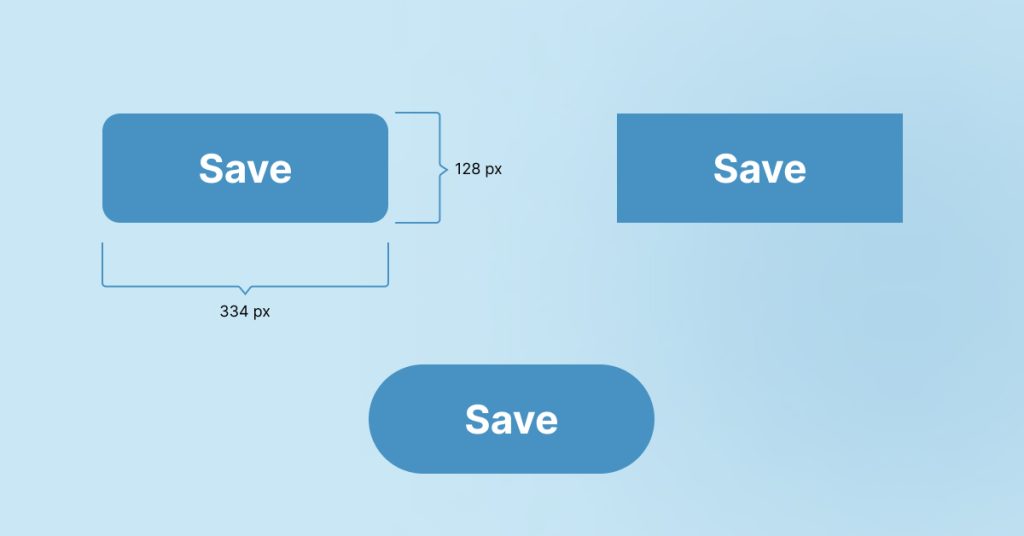
A button could either be square-shaped or pill-shaped.

Button shape
  • Button color:

Primary buttons that highlight a significant action must be designed using dark-toned colors with a filled background on the button. On the other hand, secondary and tertiary buttons can be created with light-toned colors accompanied by a white button background.

B. Understand button hierarchy:

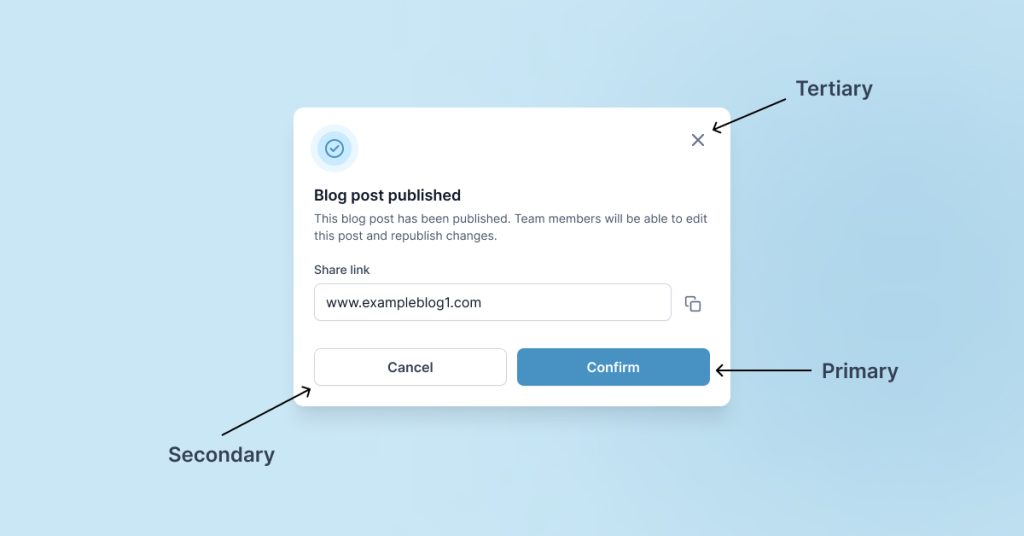
Based on various user actions, buttons are classified into three types:

  • Primary button:

It is used to highlight the main action that a user must take. These buttons are created in a container having a solid fill. A landing page must have one primary button. A Call-to-Action (CTA) is a classic example of a direct/primary button.

  • Secondary button:

The secondary buttons fall below the primary button category. A blank container usually represents these buttons. A webpage could have more than one secondary button.

  • Tertiary button:
button hierarchy

A tertiary button represents the most minor visual emphasis. It is smaller in size than the primary and secondary buttons.

C. Understand button states:

It is a crucial practice to design buttons over a spectrum of states based on the desired user action. A button could be designed in the following states:

  • Enabled: 

It is the default state of a button.

  • Hover: 

It appears when the mouse cursor hovers over a button, typically on a webpage.

  • Pressed:

When a button is clicked, it is in the pressed state.

  • Disabled:

When an action is prohibited, a disabled button appears.

D. Spacing:

Spacing

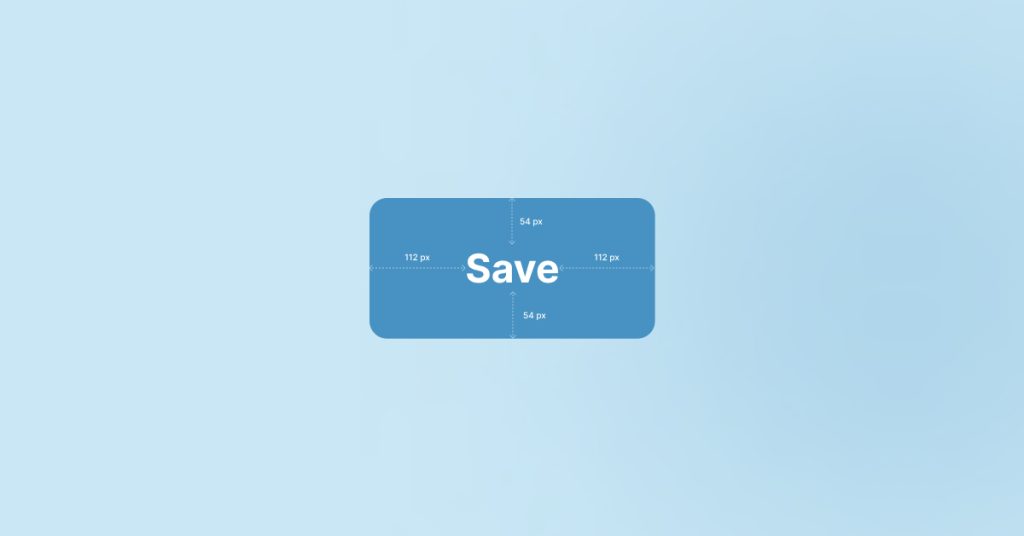
There must be equal space left on each side of the text in a container. Also, try to add at most three words in a button.

4. Application UX Design Best Practices

Creating a successful visual experience for users is a daunting task. Yet, here are some of the best practices in UI/UX design that can help you build a solid and responsive application. The below-mentioned pointers are also some of the best e-commerce UX design practices. The best UX design tips for mobile/web applications are as follows:

A. Visual consistency and beyond:

Your website’s text, images, buttons, colors, and other visual elements must follow a specific pattern. This practice enhances user readability and compels users to stick to the website. Many other consistencies are also noteworthy. These are:

  • Functional consistency:

There needs to be a consistent pattern in the working of buttons, how they function, and page functionality, thus giving users a symmetrical experience.

  • Tonality:

Make sure that symmetry is maintained in the tone of the whole page. The voice and tone must be consistent throughout.

B. Consistent navigation:

Users are accustomed to a specific pattern of headers and footers on a website. Make sure that you follow a consistent pattern throughout the website design. The top section of the website must contain a sticky header with a navigational menu that opens when a user hovers over/taps on a specific webpage name. The bottom section must have contact details, address, customer care number, sitemap, etc.

C. Typography:

Typography

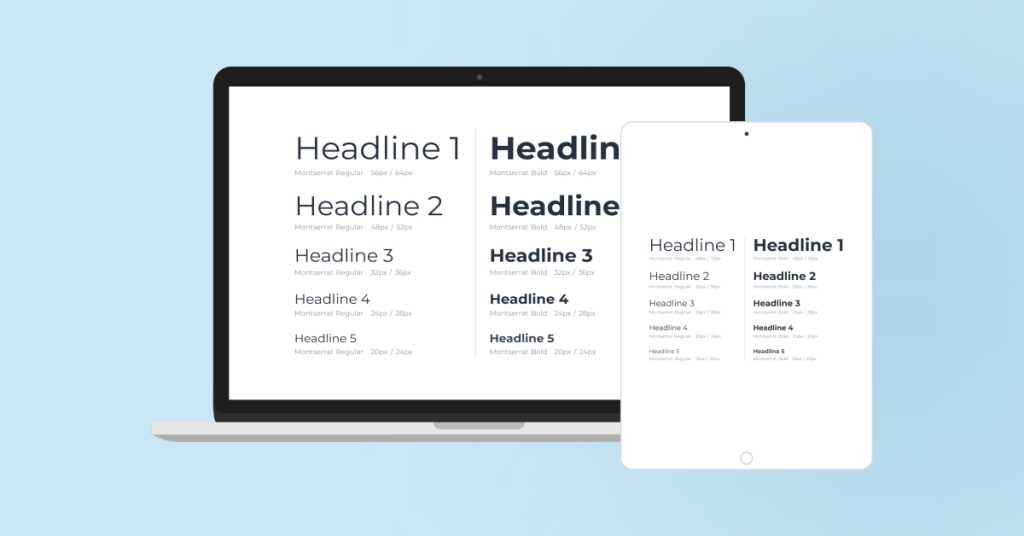
Pay attention to the basics. It is crucial to use H1, H2, and H3 tags carefully. The main headings of the page should be listed under H1, followed by sub-headings under H2. The H3s can be used to add the content for sub-sections. Following a typographical hierarchy is imperative in the world of UI/UX.

Conclusion: Basics Always Work

The best UI/UX design strategy is always sticking to the basics. Many new designers suggest changing the design approaches completely, choosing a trendy theme and whatnot. Thus, paying attention to the basics of UI/UX design practices can lead to catastrophic results. 

This blog is a perfect checklist for UX design best practices 2024!

Deftsoft offers industry-leading UI/UX design services to help you convert users into customers. We have a team of industry-experienced UI/UX designers with experimental, modern, and futuristic approaches. Get rid of iterative testing and website designing by partnering with us.

FAQs:

What are the principles of UX design?

The fundamental principles of UX design are following a visual and typographic hierarchy, creating a user-centric design, using H1, H2, and H3 tags, maintaining balance, and providing accessibility (even an 8-year-old can understand).

What are the best practices in UI/UX design?

One of the best practices in UI/UX design is to integrate user feedback into the website designs. Other best practices include using buttons correctly, maintaining content consistency, and following visual and typographic hierarchy.

What tools are used for UX designing?

The most popular tools for UX designing are Illustrator, Photoshop, Figma, and Adobe XD.

What is the difference between UI and UX?

The User Interface (UI) refers to the aesthetics and visuals of a website. It focuses on creating an immersive visual experience for a user. User Experience (UX) focuses on the overall feel of the digital experience and involves problem-solving.

Top 11 Mobile App Development Trends 2025

Are you a business or a startup founder looking to develop your mobile app? First of all, building an app is an excellent idea! This way, you can reach out to the masses exponentially. Smartphone users spend about 85% of their time on mobile applications. No wonder why mobile apps are only bound to grow in number. 

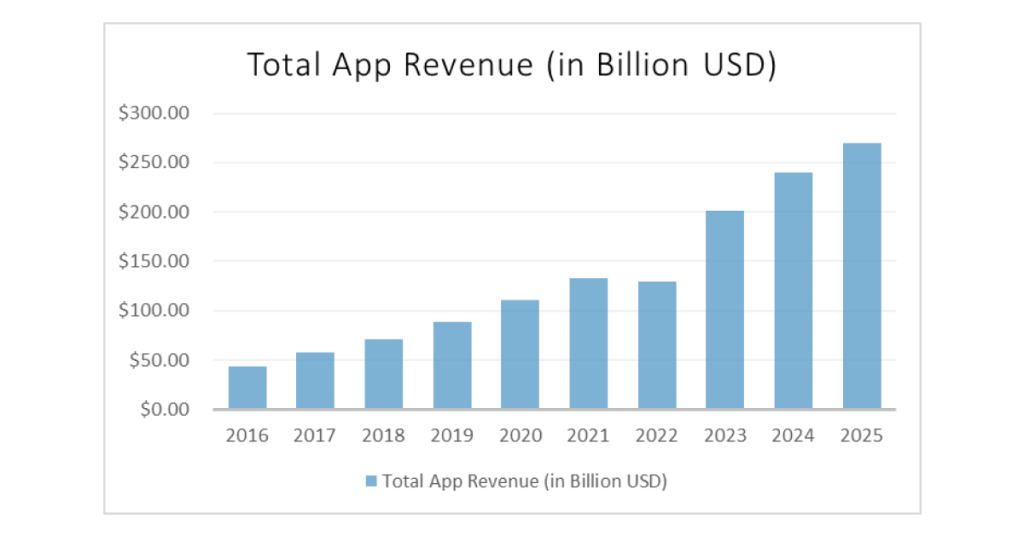
The total app revenue in 2023 reached a whopping $201 billion. This revenue is projected to reach $270 billion by 2025.

Mobile App Development

Enough talking about the numbers. Let’s talk about human tendencies. Everyone is on their phones throughout the day, and browsing through apps is what everyone does. So, if you’re considering building a mobile app, now is the best time to seize the deal!

As we’re heading to 2025, it is crucial to create a solid strategy for generating revenue via an app. This is why learning about top app development trends in 2025 is essential. It is a necessary read if your goal is to skyrocket your business growth this upcoming year.

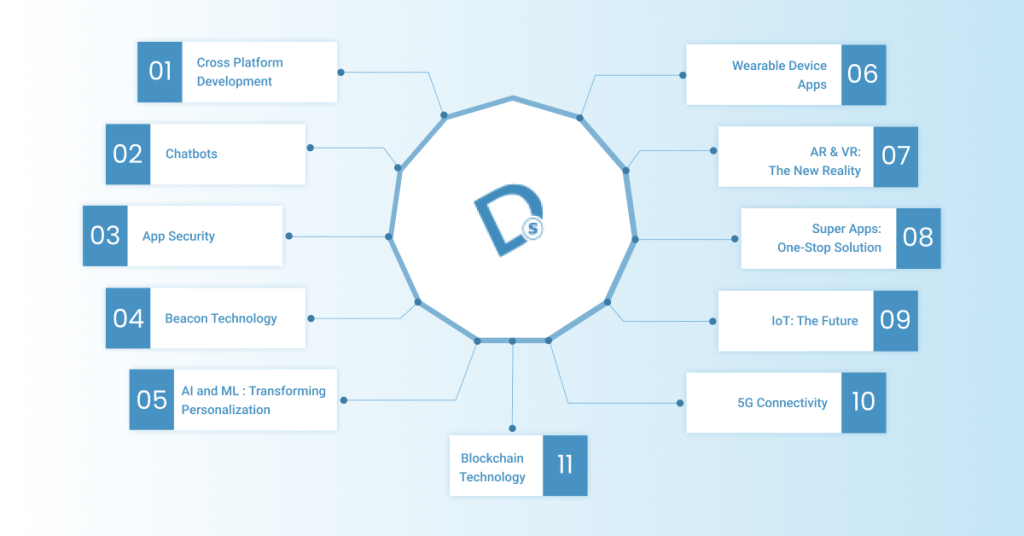
Let’s review the list of the latest mobile app development trends without further ado.

Mobile App Development

1. Cross-Platform Development

Can we bridge the gap between iOS and Android apps? Here comes the era of cross-platform development. The ability to easily capture various markets across the globe is quite tempting. More and more mobile app developers are inclining towards this one of the hottest mobile app development trends.

Benefits of Cross-Platform Development

The adoption of cross-platform development methods is gaining significant momentum among mobile app developers. It is because of the following reasons:

  • The cross-platform development is cost-effective. You can invest in a single platform to code the app.
  • You can target a wider audience with this mobile app development trend. 
  • You do not have to change the source codes repeatedly for different devices.

2. Chatbots

We are pretty familiar with text chatbots; however, as 2025 approaches, you will vividly witness the worldwide adoption of verbal chatbots or voicebots. Users can converse with these voicebots directly and send voice commands. This is a revolutionary change in the app development space as apps will become more user-friendly.
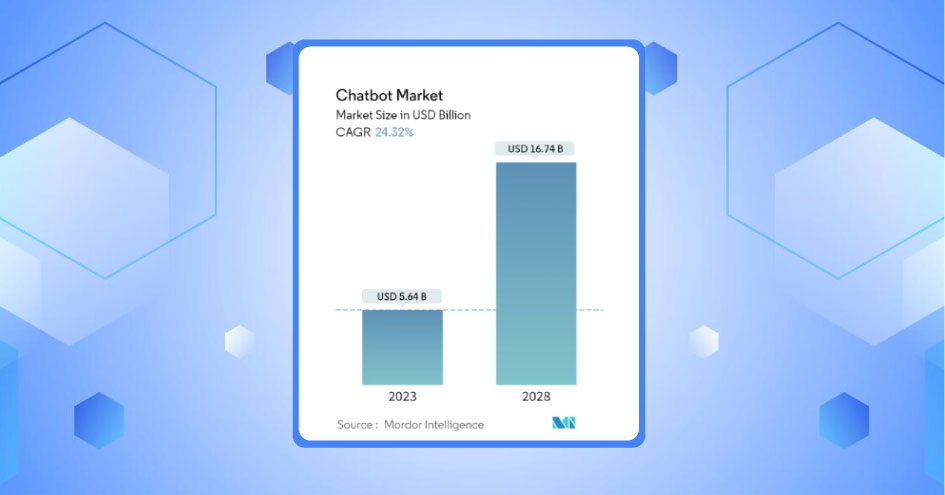
The chatbot market has reached a market size of USD 5.64 billion and is gauged to reach USD 16.74 billion by 2028, growing at a CAGR of 24.32%.

app development

Why Chatbots are Gaining Traction: A Brief Case Studydeftsoft

Chatbots were able to increase a website’s conversion rate by 230% in just six months! You must be thinking, what’s so different about chatbots? Let’s dive deeper into this one case study.

Perfecto Mobile was facing a massive problem of ‘unfit’ leads. 70% of the total charges were not potential customers of the company. This was when a chatbot company called ‘Drift’ transformed its lead traction. 

The chatbot carried out conversations with the website visitors, which were then shared with a company sales representative. The chatbot was invisible to users who were unfit leads. This is how the company saved time and money.

If you want to learn more about this case study, you can check out this video by Drift!

https://www.youtube.com/watch?v=xCLYkFNccMU

3. App Security

Over 500 million WhatsApp users’ data was leaked in 2022. This all happened after the Facebook group acquired WhatsApp, even after the claims of end-to-end encryption. 

This is why mobile app security is the primary goal of all app creators, especially in 2025. Adding a layer of extended app security can enhance customer experience and allow mobile app developers to collect positive feedback. This, in turn, increases a company’s revenue. Aiming app security is one of the most noticeable and latest mobile app development trends in 2025!

4. Beacon Technology

The beacon technology works towards hyper-personalization of ads to target audiences by businesses. It uses a ‘beacon’, a tiny Bluetooth transmitter that is essentially wireless. This allows apps to interact with the users based on their location. For instance, you could be walking down the aisle of a ‘Target’ store thinking about buying a shower gel, and you instantly get hit by a 10% discount on a shower gel. (Walmart does that!)

So, the next time you visit a Walmart store, notice the ‘beacon technology’ effect. Beacon technology also has its use cases outside the retail segment. One such example is the ‘Behere’ app.

This app uses Beacon technology that helps a class teacher mark a student’s attendance as they enter the class. It has many other features as well. Revolutionary, isn’t it?

5. AI and ML: Transforming Personalization

Incorporating Artificial Intelligence and Machine Learning has unlocked the doors to hyper-personalization. With an in-depth user behavior analysis, AI and ML have changed how mobile apps work.

The various uses of AI and ML in mobile apps are as follows:

  • Creation of hyper-personalized app experience based on user preferences and demographics.
  • Using ML to improve the mobile app experience by building more responsive, intuitive, and efficient apps.
  • Predict user buying behavior by analyzing the historical data.

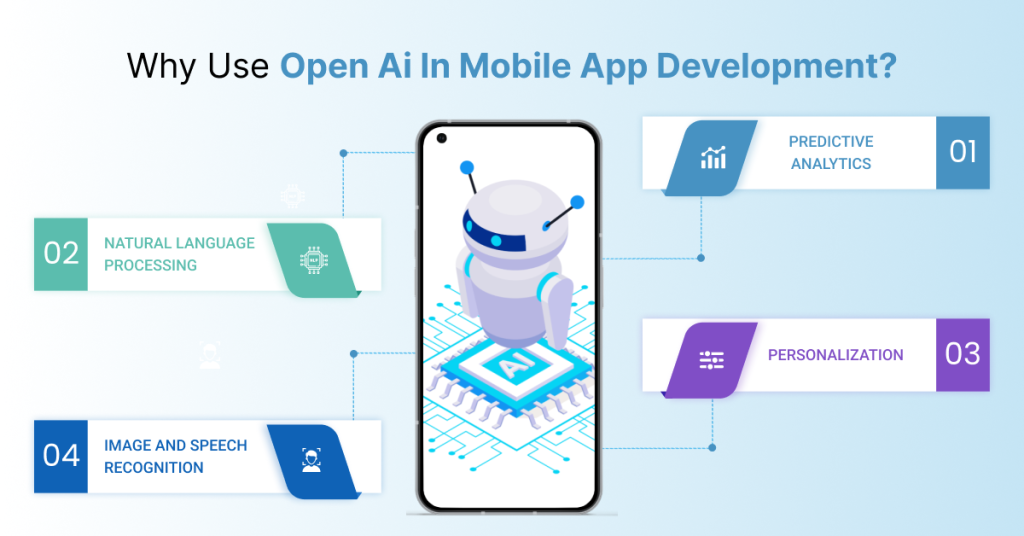
For instance, the integration of OpenAI within apps is significantly helping mobile app developers in tracking user behavior. This leads to increased customer personalization and better user engagement, thus leading to increased revenue.

OpenAI

AI and ML are here to stay for the upcoming decades. It hits the list of mobile app development trends.

6. Wearable Device Apps

Times have changed, and everyone wants to access apps just a tap away. This is one of the primary reasons why the wearable device app development industry is booming right now! 

Apple realized the need for wearable device apps. It has now released watchOS 10.1, allowing you to access apps such as Camera, Photos, Apple Music, and Health on your Apple Watch. This allows for easy navigation.

7. Augmented Reality (AR) and Virtual Reality (VR): The New Reality

Now that we’re talking about the latest trends in mobile app development, how can we forget about AR and VR? AR allows us to superimpose images, videos, etc., in the real world, whereas virtual reality creates a reality of its own.

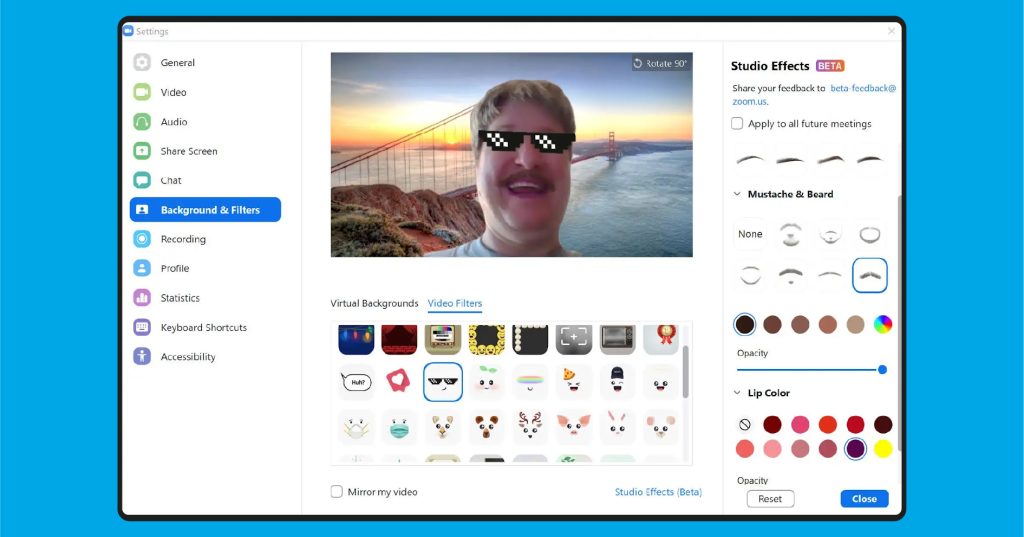
One most famous examples of Augmented Reality is using the Zoom app with virtual backgrounds and filters. AR is powering everything in the current times. 

mobile app development

The power of VR is seen with the various VR headsets launched in the market that focus on creating an immersive experience for the user in gaming, shopping, video calling, etc. Metaverse is a prominent example of VR and AR that makes a virtual world of its own.

8. Super Apps: One-Stop Solution

Why do you use the Amazon app on your phone? To shop, right? You can also use it to pay bills using Amazon Pay. This multi-functionality offered by an app makes it a Super App. Consider it as a mobile app that serves more than one purpose. 

The world is moving to more straightforward solutions where they want everything to get done in one place. The super apps cater to such customer needs. It is henceforth, one of the most notable mobile app development trends.

9. IoT: The Future

The sky is the limit when it comes to mobile app development trends. The Internet of Things (IoT) is an impeccable technology that stands as a thriving technology of the future. In simple words, IoT is the dream of every other individual who wishes to live in a smart home.

“Hey, Alexa, can you turn off the lights?” 

The Amazon Alexa devices are a perfect example of integrated IoT technology. These IoT-enabled devices can be connected to home appliances such as LED lights, refrigerators, smart TVs, toasters, etc., through Wi-Fi and can work on voice commands. 

The adoption of IoT technology is also expected to expand across retail, healthcare, transportation, and manufacturing. Therefore, IoT technology is entirely worth adding to the list of the latest mobile app development trends.

10. 5G Connectivity

The world is moving forward at the speed of light, and it is imperative to adopt the new-age technology of 5G. 5G is significant when accessing and working on IoT, AR, VR, AI and ML-related apps. The 5G connectivity is what fuels the world of mobile app development. Therefore, it holds a crucial value in the latest trends in mobile app development.

11. Blockchain Technology

The world is going bonkers for the blockchain technology. Thanks to its highlighting features that have compelled mobile app developers to utilize the power of this new-age technology. 

Benefits of Blockchain Technology

blockchain technology

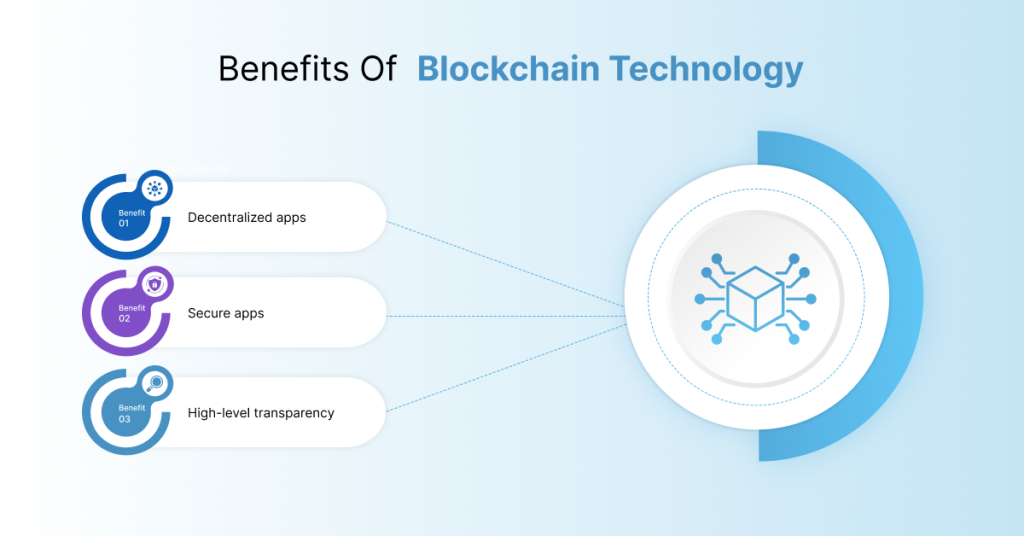
The following are the valuable advantages of blockchain technology:

  • Decentralized apps:

Blockchain technology can be used to create decentralized apps that eliminate the need for third-party intrusions. This practice aids in creating secure apps free of any risks.

  • Secure apps:

Apps are built to be more secure and free from data breaches by using blockchain technology. This is because the data is secured in a series of blocks that cannot be decrypted and are tamper-free.

  • High-level transparency:

Anyone can overview and audit the data present in the form of blocks in blockchain. However, the data is immutable, therefore offering a high level of transparency.

The above benefits are why blockchain technology is included on the list of app development trends.

Looking for Scalable Mobile App Development Services?

The mobile app development industry is set to blow up in 2025. Novel technologies like IoT, blockchain, 5G, Beacon, AR/VR, etc., have set the bar for the year so high. With the increased competition and the raised bar of customer expectations, investing in new-age technologies judiciously is imperative. 

If you want to stay ahead of the curve, Deftsoft is here to help! There are specific criteria for choosing a mobile app development company, and we checkmark all of them. Our goal is to build mobile apps that are novel, intuitive, efficient, and responsive—Immerse in the world of top-notch mobile app development with us. We turn your vision into reality.

Conclusion:

The mobile app development industry is growing at an exponential rate. No wonder developing your mobile app is the answer if you want to capture a broad spectrum of customers. The world is changing so rapidly that it often becomes difficult to keep up with it. However, it is imperative to succeed if you abide by the list of the latest app development trends in 2025.

FAQs:

  1. What are the trends in app development in 2025?

2025 is the year for integrating novel technologies in the mobile app development process. These technologies include blockchain, the Internet of Things (IoT), Artificial Intelligence (AI) and Machine Learning (ML), Augmented Reality (AR) and Virtual Reality (VR), 5G, apps with enhanced security, super apps, etc.

  1. What is the future of app development?

The latest trends in mobile app development include app development for smartphones and wearable devices such as Apple Watch. Cross-app development will be prominent in the upcoming years. Other recent app development trends include blockchain, AI/ML, AR/VR, and IoT.

  1. What are the best languages for mobile app development?

One of the best languages for iOS app development is Swift. The other two programming languages that are the best for developing apps include React Native and Flutter.

  1. What kinds of apps are trending right now?

The social media apps are exhibiting a staggering growth in 2025. These apps include Instagram, TikTok, Facebook, Pinterest, and WhatsApp.

  1. What are the three types of apps that can be built?

The three types of apps that mobile developers can build include native apps, web apps, and hybrid apps. These apps’ future is cross-platform apps catering to both iOS and Android users through the same base code.