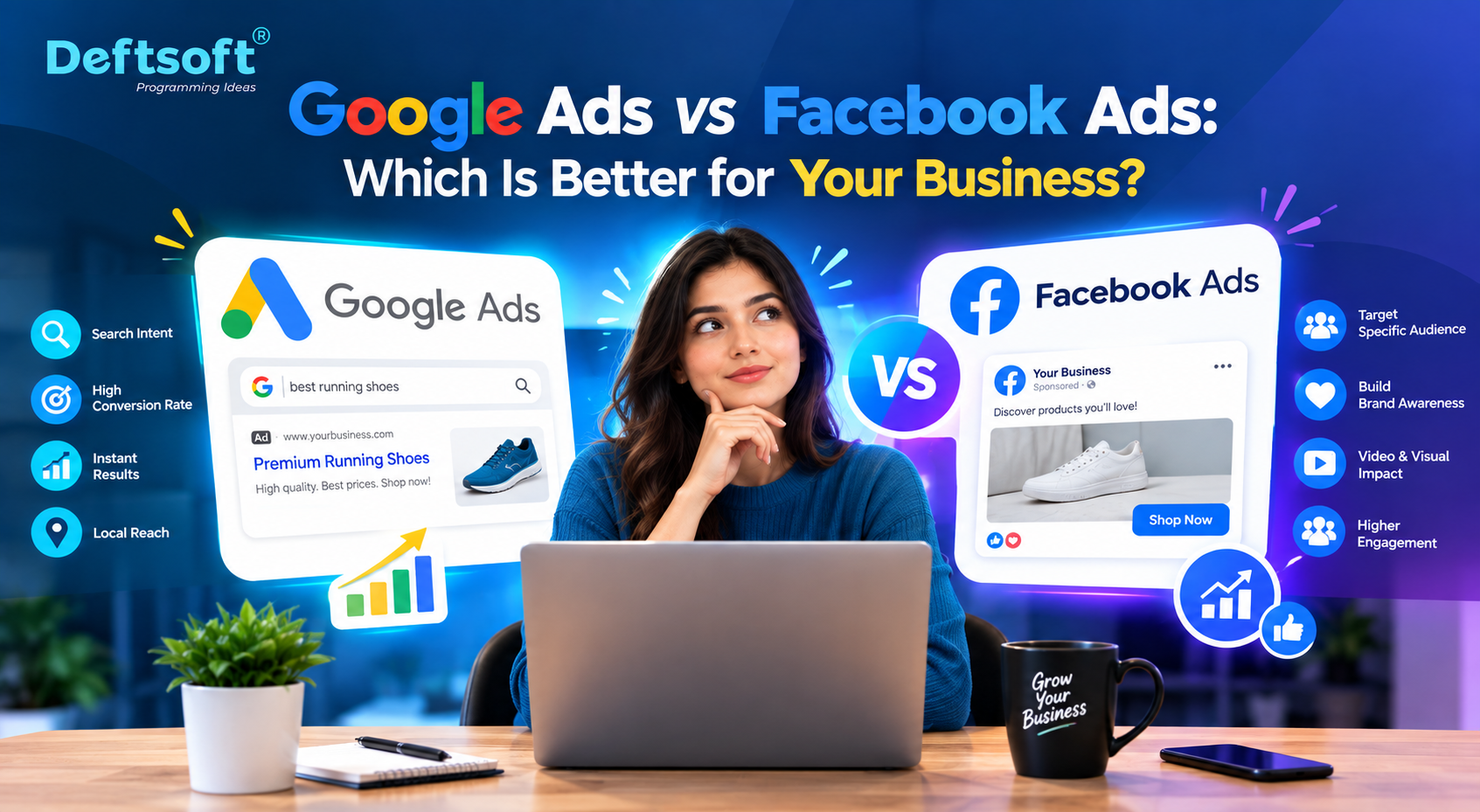
PPC Guide: How to Optimize Google Ads

Paid search marketing is one of the mightiest digital marketing tools that boost an organization’s revenue. Especially if you’re a new business organization wanting to build a brand in a competitive world, Google ad campaign is the golden ticket to enhanced success. 

80% of global businesses use Google ads for their PPC campaigns. Google Ads generated revenue of a whopping $172.647 billion in the first quarter of 2023. 
Now, you must be wondering why Google Ads is the major tool for Pay-Per-Click (PPC) marketing. This is because Google rules about 90% of the search engine market globally. To back this up, Google and Facebook search advertising generates the highest ROI of all paid channels.

  • 80% of global businesses use Google ads for their PPC campaigns
  • Google Ads generated revenue of a whopping $172.647 billion in the first quarter of 2023.
  • Google rules about 90% of the search engine market globally. 

Enough talking about the theoretical part; let’s begin with the applications. If you’re a business owner or a digital marketer looking to level up your Google Ad campaigns game in 2024, this blog is the perfect resource for you! 

Note: If you’re still not familiar with paid marketing and what it is, you can check out this blog right here.

Top Tips for Running a Successful Google Ad Campaign

When you instantly want to rank on top of a search engine page for certain queries, running paid Google ad campaigns is one of the best tools to do so. The work doesn’t end after running an ad on Google. In fact, it starts right from that moment. 

If your ongoing Google ad campaigns are not performing well, chances are that your campaigns need optimization. Follow along with our best-kept tips to run successful Google ad campaigns!

Tip 1: Know What You Want

Firstly, it is crucial to identify the goal of your PPC ad campaign. Is it to generate more leads, enhance conversions, or merely get more traffic on the website? Segregate your requirements based on your needs, and voila, you’ll see a significant shift in the performance of your ads.

Your PPC ad campaign end goal can vary and lie anywhere between increasing sales and capturing leads. Some of the most common objectives of your campaign can be the following:

identify the goal of your PPC campaign

Let me explain this to you with an example. For instance, if you own a clothing brand and wish to enhance the sales of your products, “Drive Conversions” is the most-suited type of Google ad campaign via a video format ad. 

Note: You can learn more about how to define your objectives in Google Ads here.

Tip 2: Choose the Right Campaign Type

It is crucial to choose the type of campaign you wish to run after figuring out the objective of your PPC campaign. The best criteria to choose the right PPC campaign type for you involves the following parameters:

You must be aware of the different types of Google ad campaigns available and what purpose they serve. The various types of ad campaigns are as follows:

1. Search Ad Campaign

Search ads refer to text ads that show up when a user searches for a product on Google search. 

Benefits:

  •  Increased sales and traffic on websites, therefore, more leads.
  • Helpful in collecting leads for products/services with a longer sales cycle.

2. Display Ad Campaign

Display ads are visually engaging ads that are displayed on various websites, apps, and other Google-owned platforms such as YouTube. 

Benefits:

  • Enhanced sales and leads with visually attractive CTAs (Call-toActions).
  • Increased brand awareness.

3. Video Ad Campaign

You can run video ads on YouTube and other websites with video ad campaigns.

Benefits:

  • Increased brand awareness as videos impact more users.
  • Target people beyond the Google search engine.
  • Leverage action-focused video ads by running ‘Drive Conversions’ ads.

Note: You need to upload the video on YouTube first to run video ad campaigns.

4. App Ad Campaign

This type of ad campaign helps in looking for new app users and increases sales. This type of ad is visible on YouTube, Google Play, AdMob, Discover, and mobile devices and there are 3 million apps and sites.

Benefits:

  • Enhanced signups for apps on mobile devices.
  • It covers all types of ads, such as Display, YouTube, Search, and Play, in a single campaign.

5. Smart Ad Campaign

As the name suggests, a smart ad campaign automatically sets up an ad campaign for you. All you need is to enter information about your business, and Google AI will find the best ad for targeting potential users.

Benefits:

  • Google optimizes the ads and targets a suitable audience on its own.
  • You do not need to fuss about choosing the best ad campaign.

Note: If you just made a Google Ads account, all your campaigns will be smart campaigns by default.

6. Performance Max Campaign

You can access all Google Ads inventory, such as the Search and Display network, from a single campaign. You can run text, image, video, multi-image carousel, and product listing ads with a performance max campaign.

Benefits:

  • Easiest to set up with Google AI optimization.
  • You can gain deeper insights into a campaign through the “Combinations” report under the “Insights” tab.

Note: You can run a Shopping ad campaign to promote your e-commerce business. However, you need a Google Merchant Center account for it.

Tip 3: Set Your Budget Right

Setting an optimized budget that does not burn a hole in your pocket is an indispensable practice. You need to set an average daily budget, i.e., the average amount you’re ready to pay every day. You must also set your daily spending limit (should be 2x your daily budget) and a monthly spending limit (ideally 30.4x your average daily budget).

Set Your Budget Right

You must note that the daily ad spend varies based on the search traffic influx. Some days, there is heavy traffic, and on other days, there can be quite minimal traffic. The above image is a perfect example of how a monthly budget spend can vary over the course of a month.

This is how you can set your daily ad budget:

You can use the following Google Ads tools to help you set an optimized budget:

  • You can optimize your budget across existing campaigns through the Performance Planner tool.
  • You can set the maximum amount that you’re willing to pay for a user clicking on your ad through Cost-per-Click (CPC).

 You can calculate your daily average budget using the following equation: 

Average daily budget = (Monthly budget / Average number of days per month)

Tip 4: Make Up a Bidding Strategy

It is one of the best practices to set up your bidding strategy manually. However, you can also use automated bidding strategy options, such as Target Cost Per Acquisition (CPA), Target Return on Ad Spend (ROAS), maximize conversions, target impression share, maximize clicks, etc.
One upside of using an automated bidding strategy is that you do not need to update bids for specific keywords manually. You can use smart bidding that utilizes the power of AI to allocate a target CPA according to the set cost-per-click smartly.

Tip 5: Choose the Right Targeting Options

It is crucial to opt for the best targeting options for location, age group, audience, and other demographics. It is always a better option to drill down on targeting options rather than targeting a broad spectrum of audiences. 

Some of the common forms of targeting are as follows:

  • Keywords targeting to specify phrases that people tend to search for.
  • Audiences targeting to target a specific audience.
  • Language targeting to target audiences from various regions.
  • Location targeting to target individuals from different locations comprising of potential customers.
  • Device targeting to target a spectrum of different device users, such as iPhone, Android, etc.
  • Remarketing leads with Google ads. You can do this by connecting Google ads with Google Analytics (GA4), which helps analyze the website visitors and then retarget them with the ads.

Tip 6: Add Assets to Ads

There is more to ads than just running a plain campaign. Adding assets to ads, such as directions, website links, or phone numbers to call, can positively impact the PPC ad campaign performance. Adding these assets enhances the clickthrough rate by many percentages.

Note: You can also add sitelinks and images to your search ads to make them more responsive.

You must also add catchy headlines and descriptions that must be unique and focus on user benefits. You can add up to 15 headlines and 4 descriptions for a responsive search ad.

Tip 7: Create Group Ads and Choose the Right Keywords

An ad group contains one or more ads that share similar targets. You set a bid, or price, to be used when an ad group’s keywords trigger an ad to appear. This is called a cost-per-click (CPC) bid. You can also set prices for individual keywords within the ad group. Use ad groups to organize your ads by a common theme, such as the types of products or services you want to advertise.

You can create an ad group of ads that share similar interests. For example, if you’re running an ad campaign for trekking shoes, you can make a carousel group ad to do so.

Keyword targeting is yet another solid strategy to do so. Make sure that you prohibit the use of negative keywords to make a spectacular ad copy and keep it keyword-focused.
Note: You must try to incorporate long-tail keywords for a better-performing adcopy.

Tip 8: Solid Conversion Tracking

Although conversion tracking is not necessary for each type of PPC campaign, it works wonders for some. You can assess the effectiveness of your ads by setting up a conversion tracking system. This way, you can track the actions of the users on your website and understand how to optimize your Google ad campaigns.

Running ads is just not enough; it is crucial to track the actions of the users after they interact with your ad. This is exactly what the tool called Conversion Tracking does. It keeps track of the following conversions:

  • Whether a user signed up for a newsletter.
  • Whether he added a product to the cart.
  • Whether he purchased a product and much more.

Overwhelmed with Jargon? Let our Experts Handle the Technical Job

Deftsoft is the one-stop solution for running and optimizing successful Google ad campaigns for your business. We have an experienced team of PPC consultants that help you find the pain points in your ongoing ads or even better, manage Google ad campaigns for you. The search for one of the best PPC management companies ends here, as we have been an established digital marketing company for the last 18 years. 

Kickstart your journey to a vivid digital marketing experience with us.

FAQs:

What is a Google Ads campaign?

Google Ads campaign refers to online paid marketing campaigns that run on Google. Also known as PPC campaigns, these ads are based on the concept of bidding, where an advertiser bids for specific keywords that the potential users search on Google. 

What is Google’s optimization score?

The measure of how well your Google Ads account will work when running campaigns on Google is known as the Google optimization score. The score is depicted in percentages, with 100% being the highest and 0% being the lowest. Google offers recommendations on Account, Campaign and Manager Account levels to help you enhance your optimization score for better ad performance.

How many ads should be implemented per ad group?

You must use an optimized ad rotation with a minimum of 3 to 5 ads per group. It is because you never know which ad is going to resonate the most with the user.

How can google ads help you advance your business goals?

One of the best use cases of Google Ads is that you can target a specific audience to sell/create awareness about your product/service and enhance the visibility of your business. 

What is meant by quality score on Google?

Quality score refers to the comparison of your ad quality to other similar ads. You must have a high-quality score so that your ads can be visible to the users on SERP.

How to Create Events in Google Analytics (GA4)?

Quick Question: Have you ever wondered what happens when you click on any buttons on the website or submit a form on a website? What do those digital mix-ups turn to? Well, the answer is a little tool called Google Analytics. 

Google Analytics, huh? What is that? 

It’s a secret detective for your website, helping you uncover the mysteries of your online visitors and in this blog we will understand and learn how to create events in Gogle Analytics.

Let us understand this way.

Imagine you have a friend who is a data wizard, always ready to explore how people interact with your website. You could ask this friend questions like ‘How many people have visited my site today?’ or What pages are they most interested in?’ – and voila, Google Analytics would be his answer.

Simply put,

Google Analytics enables users to track and analyze various aspects of website or app performance, including user engagement, traffic sources, conversion metrics, and more.

Now, let’s dive a little deeper. Have you ever wondered how you could track more than just page views? That’s where the main character of the story comes up Event in Google Analytics.

So, what exactly are these? Well, think of them as the breadcrumbs that your visitors leave behind as they navigate your website. Did someone click on a button? Bingo, that’s an event. Did someone download a file? Another event! 

Events are like the footprints of your users, which we are going to discuss in detail.

 So, hold on tight! We are going to visit our first stop: understand what these events are all about. Ready? Let’s roll!

What are Events in Google Analytics?

An “event” is a specific action that users perform on a website or app. It goes beyond traditional pageviews, offering a detailed glimpse into how visitors engage with your digital space. Clicks, downloads, video views, form submissions – each of these is an event, leaving proof that reveals user behavior and preferences.

Importance of Events in Analytics:

  • Granular Insights: Events provide granular insights beyond mere page visits, allowing you to understand exactly how users interact with your content.
  • User Engagement Metrics: They serve as vital metrics for gauging user engagement, showcasing what elements are resonating most with your audience.
  • Conversion Tracking: Events are instrumental in tracking conversions, helping you identify which actions contribute most to your business goals.
  • Refinement of User Experience: By analyzing events, you can refine and optimize the user experience, tailoring it to what your audience finds most valuable.

Different Types of Events:

Types of Events in GA4
  1. Automatically Collected Events: These events are automatically tracked by GA4 without requiring explicit configuration. Examples include page views, scroll events, and outbound clicks. They offer fundamental insights into user behavior.
  2. Enhanced Measurement Events: These events provide additional data automatically collected when enabled. They include interactions like file downloads, video engagement, and ad clicks. Enhanced Measurement enhances the default tracking capabilities for a more comprehensive analysis.
  3. Recommended Events: Google Analytics 4 offers pre-defined event suggestions based on common industry practices. While not automatically implemented, they can be easily activated to track essential actions like sign-ups or purchases, streamlining the setup process.
  4. Custom Events: Businesses can define custom events tailored to their specific goals. This allows tracking of unique interactions, such as button clicks, form submissions, or other user engagements, providing flexibility and granularity in analytics configuration.

How to Set Up Custom Event Tracking in Google Analytics (GA4)

Custom events in Google Analytics allow you to track specific user actions on your website. They provide a flexible way to gather data on unique activities relevant to your business goals, enhancing the depth of your analytics insights.

Steps to Create Custom Events:

Step 1: Navigate to GA4 Property: Select your GA4 property and then click on Admin

Navigate to GA4 Property

Step 2: Go to the “Events” Section. Under “Data Display,” click on “Events.”

Go to the "Events" Section

Step 3: Click “Create Event.” Create a new event and define parameters.

Click "Create Event

Step 4: Configure Event Details: Set Event Name, Category, Action, Label, and Value.

Configure Event Details

Step 5: Click on “Create and Save

Click on "Create and Save"

Detailed Step-by-step guide Setting Up Event Tracking in Google Analytics

Event Tracking in Google Analytics is like giving Sherlock a magnifying glass to examine user interactions on your site closely! To set up event tracking in Google Analytics 4, you can use either the Google Analytics 4 tag or the Google Tag Manager.

1. Using the Google Analytics 4 Tag:

First things first: Visit https://analytics.google.com/ and log in with your Google account credentials.

Step 1: Go to your Google Analytics 4 property and click “Admin”

Go to your Google Analytics 4 property and click Admin

Step 2: Click “Events” under “Data Display”

Click Events under Data Display

Step 3: Click on “Create Event”

Click on Create event

Step 4: Enter a name for your event (e.g., “button click” or “video play”) and then apply the condition of conversion/ event that you are looking to track. (Optionally) add any parameters.

Configure Tag

Step 5: Click “Create”

Click Create

Note: Once the event is created, enable the “Mark as Conversion Buttons” of events that you want to track as conversions.

2. Using Google Tag Manager (GTM):

Go to your Google Tag Manager account: https://tagmanager.google.com/

Step 1: Create a tag in GTM

Click “Tags” and then click “New”

Create a tag in GTM

Give your tag a name and select Google Analytics: GA4 Event.

Give your tag a name
 select Google Analytics
Click on GA4 Event

Enter your Google Analytics 4 measurement ID, event name, and Parameters.

Enter your GA 4 measurement ID, event name, and Parameters

Click Save.

Click Save

Step 2: Create a Trigger in GTM

Go to triggers and click on “New”

Go to triggers

Enter trigger name

Enter trigger name

Select the trigger type and add the condition you want to track.

Select the trigger type
add the condition you want to track

Click submit.

Click Submit

Step 3: Click on the tag that is created in Step 1

Step 4: Click on “Triggering”. Choose the Trigger that we have created.

Step 5: Click Save.

Step 6: Publish your changes to Google Tag Manager.

Once you have set up event tracking, you can start to see data in your Google Analytics 4 reports. To view your event data, go to your Google Analytics 4 property and click Reports. Then, click Events and select the event you want to view.

How to Create an Event for a Form Submission on Google Analytics?

create an event for a form submission
  • Follow Step 1: Creating a tag.
  • Follow Step 2: Create a trigger in GTM mentioned above (mention condition form submission)

We Can Track the Form Submission with Two Methods:

Method 1: Thank you, Page Tracking,

Step1 – Click on create Trigger< Page View<Some Page View< Page URL<Contains<Thank You< Save

Step2: Click on Save Tag< Submit

 Method 2: “Submit Form” Button Tracking

Step1 – Click on create Trigger <All Elements<Some Clicks<Click Elements<Equals<Paste the CSS Selector of your Submit Form Button <Save

Step2Click on Save Tag< Submit

How Do I Check Events in Google Analytics 4?

Step 1: Log in to your “Google Analytics” dashboard: 

Log in to your Google Analytics dashboard

Step 2: Click on “Reports

Step 2: Click on Reports

Step 3: Click on “Engagement

Check-events-in-GA4-3-1-1024x536

Step 4: Click on “Events

Check-events-in-GA4-4-1-1024x536

After clicking, you’ll see a list of events that are created in that account.

Conclusion

Google Analytics 4 (GA4) acts as a detective for your website. It goes beyond page views, utilizing events to track specific actions like clicks, downloads, and form submissions, revealing invaluable insights. Events serve as breadcrumbs, detailing user footprints and preferences. With GA4, you can control automatically collected events, enhanced measurement events, recommended events, and custom events for a comprehensive analysis. Whether using GA4 tags or Google Tag Manager, event tracking allows you to refine user experiences, optimize conversions, and gain granular insights into user engagement.

Top Digital Marketing Trends to Keep an Eye on in 2025

Today’s fast-paced world demands novel and evolving technologies. Everyone is looking for efficient ways to prosper in digital marketing. Be it the riveting rage of AI or the premier art of hyper-personalization, digital marketers aspire to robustly shape the world of marketing.

Top Digital Marketing Trends 2024

Since 2025 is approaching, it is crucial to adopt new ways of digital marketing. This blog is the perfect guide if you’re on the lookout for new-age digital marketing trends and technologies. You’ll learn about the digital marketing practices in focus, the major trends in digital marketing in 2025 and the best practices in digital marketing.

Without further ado, let’s begin!

What will Digital Marketers Focus on in 2025?

The digital marketing industry is ever-growing, with a magnified focus on retaining and grabbing more users. As you follow the latest digital marketing trends, it is imperative to focus on the following practices:

  • Reactivation and retention

A digital marketer’s primary focus should be re-engaging customers who have drifted away through personalized ads. Another priority should be on maintaining relationships with existing customers.

  • First-party data activation

With the increased privacy concerns amongst users, third-party cookies are declining. This is potentially giving rise to the use of first-party data platforms. The use of first-party data abides by the strict regulations of data privacy.

  • AI-powered marketing

Integrated Artificial Intelligence (AI) is another essential aspect of the latest digital marketing trends 2025. The use of AI is becoming prominent in carrying out real-time data analysis and predictive analysis, automating iterative and fundamental tasks, and enabling effective campaign management. Now, it’s time to address the hot topic: top digital marketing trends for 2025!

Top 6 Digital Marketing Trends 2025

Top 6 Digital Marketing Trends 2024

Stepping into 2025 marks the adoption of new-age technologies, platforms and techniques to foster business growth. Many emerging technologies are completely transforming the face of digital marketing. Every business has an online presence today, and it can only survive with the backbone of digital marketing.

Let’s delve into the novel trends of digital marketing for 2025 that will become massive this year.

1. The AI Effect on Marketing

“AI is a good tool to start creative work but not the best to finish it. It definitely needs a human involved”.

Jonathan Nelson, Digital Marketer at Growth American Marketing Association

Artificial Intelligence (AI) has evolved the way digital marketing works. AI intervention is transforming the way digital marketing works. AI-driven predictive analysis allows digital marketers to keep an eye on the marketing patterns and trends, which helps streamline the marketing funnel. It also helps in automating boring and iterative tasks. On top of that, analyze data in real-time. 

Another important application of AI in digital marketing is harnessing the utility of AI-powered chatbots. Chatbots are one of the fastest-growing brand communication channels. 65% of the Internet and software companies use chatbots, according to a recent report by Colorlib. One of the notable benefits of using chatbots is hyper-personalization and targeted marketing.

2. Customer-Targeted Personalization

Targeting users with personalized ads will be a prominent trend in the marketing industry. You can only target a few people with a single marketing campaign since everyone has their preferences, personality, and requirements. A customized approach can be used to target each customer personally. The personal preferences of the users keep on evolving with time.

Customer-Targeted Personalization

Gone are the days of sending personalized emails to users to lure them into buying your services or products. Personalized marketing is more than that. You need three things to tailor a personalization strategy:

  • Curating a Buyer Persona
  • Building a Content Strategy
  • Analyzing Historical Data of User Buying History

One of the most apt examples of customer-targeted personalization is Netflix recommending movies based on the previous genre of movies you’ve watched.

3. Shifts in Social Media

According to a recent statistic released by Forbes claims that 77% of businesses use social media to attract customers. Customers prefer social media over Google to look for the things they’re interested in. For instance, if someone wants to find out the best restaurants in New York, he’ll prefer short-form video content over TikTok to search on Google.

To back up this example, 67% of TikTok users use it to discover new brands. Therefore, opting for social media as a marketing tool is one of the most popular digital marketing trends in 2025.

You can follow the below-mentioned practices to establish a solid online presence for your brand:

  • Focus on creating short-form video content on Instagram reels and TikTok.
  • Post interactive polls and quizzes on your social media platforms for enhanced customer engagement.
  • Establish your brand’s identity by posting social media posts of the services/products you offer.

4. Privacy-Driven Marketing Strategies

It is one of the massive changes that all of us have been anticipating for quite some time now. 2025 looks like the year of significant strides since Google plans to deprecate the use of 3rd-party cookies for 1% of Chrome users in the first quarter of 2025! 

It will mark the beginning of a new era where digital marketers will have to opt for a more sophisticated and planned approach to track the activity of users. Conversely, the use of first-party cookies is going to become prominent. 

How can you formulate a strategy to use these cookies? You can track consumer behavior across various channels by using 1st-party data with other user data and make predictive assessments. On top of that, you can also include consented 3rd-party data. This practice will ensure effective targeting strategies to navigate through the post-cookie tracking era and will trickle down as one of the digital marketing trends in 2025.

5. Mobile-Focused Marketing

Another important aspect of the latest digital marketing trends in 2025 is the worldwide adoption of mobile-focused marketing. Mobile users account for over 55% of website traffic. Therefore, itis evident that most online users prefer surfing on a mobile phone to a desktop.

Being a digital marketer, you must acknowledge the need to optimize websites for mobile views. A user must have an incredible and seamless digital experience when surfing on the phone. So, consider crafting mobile-friendly email campaigns, Facebook ads, etc.

You can better engage with the target audience by investing in mobile-focused marketing campaigns since they align with the user’s needs.

6. Customer Segmentation

Customer segmentation divides customers into sub-groups based on their preferences, demographics, behavior, etc. The purpose is to reach out to these people with shared interests. One example of customer segmentation is targeting different groups of audiences with selected emails related to their area of interest.

What are the Best Practices in Digital Marketing in 2025?
What-are-the-Best-Practices-in-Digital-Marketing

Now that you’re well aware of the major trends in digital marketing for 2025, it is time to learn about the best practices in digital marketing that you must follow in 2025. These best practices are listed below:

  • Listen to the audience

Making rough speculations about what the users want is equivalent to throwing a shot in the dark and thus, missing the bull’s eye. This is the reason why it is vital to listen to what the audience wants, not what you want.

  • Use personalization and segmentation

 The next best practice in digital marketing is to curate relevant messages to the target audience and align the best with the customers’ interests. Practice customer segmentation for the profound effect of marketing strategies.

  • Don’t copy others

Do not get carried away with the digital marketing strategies that someone else follows. Think straight and do what works best for you.

  • Business-aligned strategies

Your marketing strategy must be relevant to your business goals, not the other way around. Persistent communication between the marketing and business teams is necessary for a result-oriented marketing strategy.

Wrapping Up

Keeping an eye on the latest digital marketing trends for 2025 can help you foster your brand exponentially. The digital market is quite volatile; therefore, you must wrap your head around the latest trends. This blog entails all the significant trends we can expect in 2025. Strategizing accordingly can be fruitful for your business.

Start working on your strategies now to stay ahead of the marketing curve!

FAQs

What are the latest trends in digital marketing?

The latest trends in digital marketing in 2025 include adopting social media marketing, mobile-first marketing, opting for 1st-party cookies, integration with Artificial Intelligence, hyper-personalization of content, and customer segmentation.

What is the digital strategy for 2025?

One of the best digital strategies for 2025 is opting for 1st-party cookies. This would enhance your customers’ trust and loyalty. Other strategies include AI-driven predictive analysis, and digital marketing on social channels such as TikTok, etc.

What is the future of digital marketing?

The future of digital marketing is using Artificial Intelligence and Machine learning to analyze user behavior. This would help in the hyper-personalization of services and products, thus leading to increased brand revenue.

What is the best practice in digital marketing?

Formulating a digital marketing strategy in alignment with the business goals is one of the best practices in digital marketing.

What is the most significant social media trend for 2025?

Incorporating Virtual Reality (VR) and Artificial Intelligence (AI) to capture a larger audience on social platforms is one of the biggest social media trends in 2025.

8 Steps to Create a Complete Marketing Strategy In 2025

Are you all set to welcome 2025? The new year will have a convergence of technology and innovation that will reshape the marketing landscape. As we are going to step into this transformative year, businesses face a lot of challenges. In this article, we will comprehensively explore eight fundamental steps that include a complete marketing strategy for 2025.

What is marketing Strategy?

Marketing Strategy is the blueprint that guides businesses through the complexities of the digital age. It includes a series of planned activities informed by data-driven insights and market analysis designed to promote products or services effectively. This strategy outlines the target audience and delineates the channels, messaging, and techniques essential to engage consumers. As the market is strongly believed to evolve in 2025, a marketing strategy will not be just about promotion; it’s a holistic approach, integrating online and offline methods, ensuring brand visibility, customer engagement, and sustainable business growth.

Importance of a marketing strategy in 2025

In 2025 and beyond, the importance of a marketing strategy continues to soar, becoming the cornerstone of every successful business.

1. Anticipating Future Trends:

In 2025, a robust marketing strategy will involve predictive analytics and AI-driven tools to anticipate consumer trends. Businesses will use these insights to align their products and services with future demands, ensuring they are always one step ahead of the market.

2. Personalized Customer Experiences:

In the future, marketing strategies will leverage advanced data analytics to create hyper-personalized customer experiences. Tailoring products, services, and marketing messages based on individual preferences will enhance customer satisfaction, loyalty, and retention.

3. Embracing Emerging Technologies:

The marketing strategies in 2025 will integrate cutting-edge technologies like augmented reality (AR), virtual reality (VR), and blockchain. These technologies will create immersive brand experiences, interactive advertisements, and secure, transparent transactions, enhancing customer trust and engagement.

4. Social Media and Influencer Collaboration:

In the coming years, social media platforms will continue to dominate the marketing landscape. Marketing strategies will focus on leveraging social media channels and collaborating with influencers to reach wider audiences. Hence, engaging content and influencer partnerships will be pivotal in shaping brand perception.

5. Sustainability and Ethical Practices:

In 2025, consumers will be increasingly conscious of environmental issues and ethical business practices. Marketing strategies emphasize eco-friendly initiatives, sustainable sourcing, and transparent supply chains. Brands showcasing their commitment to social and environmental responsibilities will earn consumer trust and loyalty.

6. Voice Search Optimization:

In the future, voice search will become a predominant mode of online interaction. Marketing strategies will adapt to optimize content for voice-based queries, ensuring businesses remain visible and accessible to consumers using voice-enabled devices and virtual assistants.

7. Interactive Content Marketing:

In 2025, interactive content formats such as quizzes, polls, and shoppable videos will gain prominence. Moreover, marketing strategies will focus on creating engaging and interactive content, enhancing user participation, and driving conversions through immersive online experiences.

8. Data Security and Privacy:

In the upcoming years, data security and privacy will be paramount. Marketing strategies will prioritize customer data protection, ensuring compliance with stringent data privacy regulations. Building trust through transparent data practices will be essential for customer confidence.

9. Omnichannel Integration:

In 2025, consumers will demand seamless experiences across various channels. Marketing strategies will emphasize omnichannel integration, providing consistent messaging and user experiences whether customers engage with the brand online, in-store, or through mobile devices.

10. Agile and Adaptive Approaches:

In the future, market conditions will change rapidly. Additionally, agile marketing strategies will be crucial, allowing businesses to adapt swiftly to evolving trends and consumer behaviors. Continuous monitoring, analysis, and adjustment will be integral to maintaining a competitive edge.

Steps to Create a Complete Marketing Strategy

marketing in 2024

Step 1. Comprehensive Market Research:

In 2025, begin your marketing strategy by conducting in-depth market research. Utilize advanced data analytics and market intelligence tools to understand consumer behaviors, preferences, and emerging trends. Analyze your competitors and identify gaps in the market, allowing you to make informed decisions.

Step 2. Define Clear Objectives:

In the future, clearly define your marketing objectives. Whether it’s increasing brand awareness, driving online sales, or launching a new product, setting specific, measurable, achievable, relevant, and time-bound (SMART) goals will provide a roadmap for your strategy.

Step 3. Embrace Advanced Technologies:

In 2025, leverage advanced technologies such as artificial intelligence (AI), machine learning, and augmented reality (AR) to enhance your marketing efforts. Implement AI-driven chatbots for customer interactions, use machine learning algorithms to analyze consumer data, and create immersive AR experiences to engage your audience.

Step 4. Personalized Customer Experiences:

In the future, focus on creating personalized customer experiences. Utilize customer data to tailor your products, services, and marketing messages to individual preferences. Implement dynamic content, recommendation engines, and customized marketing automation to enhance customer satisfaction and loyalty.

Step 5. Multi-Channel Marketing:

In 2025, adopt a multi-channel marketing approach. Engage with your audience across various platforms, including social media, email, mobile apps, and emerging channels like voice assistants. Ensure consistent branding and messaging while tailoring your content for each platform to maximize reach and impact.

Step 6. Content Strategy and Creation:

In the future, develop a robust content strategy. Create high-quality, engaging content that resonates with your target audience. Invest in interactive content formats, videos, podcasts, and virtual events. Focus on storytelling and user-generated content to foster meaningful connections with your customers.

Step 7. Data-Driven Decision Making:

In 2025, rely on data-driven insights to make informed decisions. Implement advanced analytics tools to monitor the performance of your marketing campaigns in real time. Analyze key performance indicators (KPIs), customer feedback, and market trends to optimize your strategies continuously.

Step 8. Agile Adaptation and Optimization:

In the future, adopt an agile approach to your marketing strategy. Stay flexible and be ready to adapt to changing market dynamics and consumer behaviors. Continuously monitor the performance of your campaigns, gather feedback, and optimize your strategies based on the insights gained. Embrace innovation and be open to experimenting with new tactics and technologies to stay ahead of the competition.

Conclusion

A successful marketing strategy in 2025 isn’t just a choice; it’s an imperative. The convergence of technology and innovation reshapes the marketing terrain, demanding businesses to be agile, data-driven, and customer-focused. The eight comprehensive steps outlined here provide a roadmap for businesses navigating this transformative era. By embracing advanced technologies, personalizing customer experiences, and ensuring data security, businesses can create a robust marketing strategy that anticipates future trends and fosters meaningful connections with their audience. In this era of rapid change, an agile and adaptive approach, along with a commitment to sustainability and ethical practices, will be the key differentiators. Deftsoft is a full-service web design and development agency that works with you to come up with the best marketing strategy. We are set for the upcoming year, are you? Contact us, and we will help your business not only survive but thrive, ensuring its relevance and success in the competitive market of 2025 and beyond.

FAQs:

  1. What is the AI trend in marketing in 2025?

According to McKinsey, 69% of businesses use the power of Generative AI to create a content strategy. Everything can be generated by Gen AI, from text and images to audio. For instance, you can create a monthly social media calendar with the help of Generative AI.

  1. What are top 5 marketing trends in 2025?

The top 5 marketing trends in 2025 are as follows: Short-form video content for enhanced discoverability, AI-backed content strategies, User persona-driven marketing, Dynamic marketing using user-targeted carousel ads, and Solid SEO strategies

  1. What is the future of marketing?

The marketing industry in the future will make use of quantum computing to tailor hyper-personalized ads. These ads will directly target the user behavior of a potential buyer. The need to fabricate a user persona will be eliminated.

  1. What is hot in marketing right now?

Short-form content and influencer marketing are the two hottest trends in the market right now. You can make use of Instagram reels and TikTok to go viral in the market.

  1. How to know whether the marketing strategy is successful?

You can use certain metrics to measure the success of a marketing strategy. These are Return on Ad Spend (ROAS), Click-through Rate, Cost per Lead (CPL), Return on Investment (ROI), Customer Acquisition Cost (CAC), and Conversion rate.

7 Powerful Techniques to Dominate Social Media: 7X Success!

It’s 2024, and if your social media game is still not yielding you results, this guide is for you! The world of content is changing at an exponential rate, especially with its ‘tiktokification’. This is one of the primary reasons why people enjoy short-form content. Speaking of which, social media is one of the mightiest tools to master your audience.

Social Media is a dynamic area where businesses connect, engage, and flourish in the digital landscape. In this guide, we will unveil seven potent techniques to help you master the art of Social Media Marketing, unlocking the potential for 7X success!

Top Techniques to Level Up Your Social Media Game

Technique 1: Mastering Content Creation

Mastering Content Creation for social media

Identify Target Audience

Understanding your audience is the cornerstone of successful digital marketing. Moreover, knowing your target audience based on behavior, demographics, and interests. Analyze their preferences, pain points, and aspirations to tailor your content effectively.

Engaging Visual Content

Picture speak louder than words! This phare goes well for social media platforms too. Capture your audience’s attention by crafting eye-catching graphics and videos that match your brand and message. Additionally, shareable content triggers these algorithms, extending your reach and impact.

Compelling Adcopy

Compelling copy is a catalyst for driving actions and conversions. Write concise, persuasive copy communicating your value proposition and call to action. Lastly, show sense of urgency and authenticity to promote immediate responses from your targeted audience.

Gain Audience Trust

Building trust is crucial in Social Media Marketing. Encourage your followers to develop and share the content for your brand. Additionally, user-generated content shows authentic experiences, fostering loyalty and trust among your audience.

Technique 2: Building an Effective Social Media Marketing Strategy

Social Media Marketing Strategy

Choose the Right Social Media Platform

Choosing the appropriate social platforms is crucial for successful digital marketing. Additionally, consider your target audience’s preferences and the nature of your business. Focus on platforms where your audience is most active and engaged.

Set Goals

To achieve success in digital marketing, set clear and measurable goals. Additionally, determine your plan: increased brand awareness, lead generation, or improved customer engagement. Outline specific objectives that align with your overall social media marketing strategy.

Schedule Posts

Consistency is vital in Digital marketing. Develop a calendar to plan your posts. Organize content topics, formats, and publishing dates to maintain a steady flow of engaging content.

Formulate Marketing Strategy

For maximum impact, align your digital marketing efforts with your overall marketing strategy. Ensure consistency in messaging and branding across all marketing channels, both online and offline.

Technique 3: Growing Your Social Media Presence

Growing Your Social Media Presence

Building an Organic Follower Base with Authentic Engagement

Growing your social presence starts with building an organic follower base. Engage with your audience authentically by responding to comments, messages, and feedback. Furthermore, create meaningful connections by understanding their needs and interests.

Utilizing Hashtags and Trending Topics Strategically

Hashtags and trending topics can expand your reach and visibility on social media platforms—research relevant and trending hashtags in your niche to boost discoverability and attract a wider audience.

Harnessing the Power of Influencer Marketing

Leverage influencer marketing to amplify your social media presence. So, collaborate with influencers promoting your brand and target audience. Influencers can help endorse your products/services and drive engagement.

Running Successful Social Media Advertising Campaigns

Strategic social media advertising can significantly boost your online presence. Utilize platforms’ advertising tools to target specific demographics and interests. Additionally optimize your ad campaigns for better results.

Technique 4: Designing a Winning Social Media Marketing Campaign

social media marketing campaign

Plan and Execute a Targeted Campaign

A successful social media marketing campaign starts with careful planning. Hence, define campaign goals, target audience and messaging. Additionally, execute your campaign with a well-thought-out social media marketing strategy for maximum impact.

Run Contests, Giveaways and Promotions

Contests, giveaways and promotions are handy engagement tools. Encourage user participation by offering valuable incentives. Moreover, ensure that your promotions align with your brand and campaign objectives.

Leverage user-generated Content for Campaign Success

Add authenticity and credibility to your campaign with user-generated content. Encourage your followers to develop and share content for your campaign. Hence, showcase their contributions to build trust and encourage engagement.

Analyse and Measure Campaign Performance

To ensure the success of your campaign, analyse and measure its performance. Monitor key metrics such as engagement, conversions and reach. Therefore, this will improve your approach for future campaigns with data-driven insights.

Technique 5: Social Listening and Reputation Management

Social Listening and Reputation Management

Monitoring Brand Mentions and Customer Feedback

Social listening is a critical aspect of successful Social Media Marketing. Additionally, check customer feedback and brand mentions in various platforms. Hence, pay attention to what your audience says about your brand, products, and services.

Responding to Customer Inquiries and Feedback Promptly

Timely responses to the feedback to demonstrate commitment to customer service. Moreover, engage with your audience promptly, addressing their questions and concerns. Show appreciation for positive feedback and acknowledge any issues raised.

Addressing Negative Feedback and Managing Crises

Negative feedback is inevitable, but how you handle it makes a difference. Respond to negative feedback empathetically and professionally. Hence, address the concerns and offer solutions. In times of crisis, remain transparent and proactive in managing the situation.

Transforming Feedback into Opportunities for Improvement

Feedback is valuable for growth. Use feedback to identify areas of improvement in your products or services. Additionally, show your audience their opinions matter by implementing changes based on their input.

Technique 6: Creating a Social Media Marketing Funnel for Conversion

Social Media Marketing Funnel for Conversion

Nurture Leads

The Social Media Marketing funnel is a pathway to convert potential customers into loyal advocates. Nurturing leads involves building relationships with your audience. Moreover, engage with them through valuable content, personalized messages, and genuine interactions.

Effective CTAs

A compelling Call-to-Action (CTA) is pivotal in guiding your audience toward desired actions. Encourage your followers to take the next step, whether signing up for a newsletter, purchasing, or contacting your business.

User Retargeting

Retargeting and remarketing are potent tactics to re-engage potential customers who have shown interest in your products or services. Moreover, utilize these strategies to stay top-of-mind and encourage conversion.

Measure Conversion Rate

Measuring conversion rates is essential for social media optimization. Moreover, analyze data to know about the required improvements. Hence, make data-driven decisions to enhance your conversion performance.

Technique 7: Analyze Data for Continuous Improvement

Analyze data for continuous improvement

Identify Key Metrics and KPIs

Analyzing data is the key to improving your digital marketing efforts. Identify key metrics and key performance indicators (KPIs) that align with your campaign goals. Additionally, these metrics will help you measure the effectiveness of your strategies.

Leverage Social Media Analytics Tools and Insights

Social media analytics tools provide valuable insight into your performance. Use these tools to track engagement, reach and audience demographics. Furthermore, with this data, you can make informed decisions and optimize your strategies.

Make Data-driven Decisions to Optimize Strategies

Data-driven choices are the key to a successful digital marketing. Furthermore, analyze the data collected from your campaigns to identify strengths and weaknesses. Use this information to improve your strategies.

Evolve Your Social Media Marketing Approach

Social media is constantly evolving. Additionally, be prepared to iterate and adapt your approach based on data insights. To stay ahead in the dynamic world of social media, embrace change and be flexible in your strategies.

Conclusion

Now that you know the basics of Social Media Marketing, it your turn dominate the social media . If you need help to enhance your social media presence, Deftsoft is here to assist you! Our digital marketing services follow a simple approach: track, test, tweak, and repeat. Let us partner with you to create, rejuvenate, and reposition your brand in the dynamic world of social media.

Is Your Business Ready for the E-Commerce App Revolution?

E-commerce apps is a powerful tool that offers a convenient and accessible platform for customers to browse and purchase products or services with just a few taps on their smartphones. This blog explores the significance of e-commerce apps for businesses and sheds light on the transformative e-commerce app revolution. So, let’s dive in!

Understanding the E-commerce App Revolution

The e-commerce app revolution signifies a significant shift in how businesses operate and engage with customers. Additionally, it refers to the widespread adoption and utilization of mobile applications designed for e-commerce. These apps have revolutionized how consumers interact with businesses, transforming the entire business landscape.

With the rapid advancement of technology and the increasing reliance on smartphones, e-commerce apps have become a vital tool for businesses to establish an online presence and reach a more extensive customer base. These apps offer a seamless and personalized shopping experience, allowing customers to browse products, make purchases, track orders, and receive notifications at their fingertips.

Furthermore, the e-commerce app revolution has accelerated businesses’ digital transformation, necessitating modern technologies and strategies. It has pushed businesses to optimize their online presence, enhance customer experience, and streamline operations to remain competitive in the digital era.

Benefits of E-commerce Apps for Businesses:

Benefits of E-commerce Apps for Businesses

1. Improved Customer Reach and Accessibility: E-commerce apps open up new avenues for businesses to reach a wider audience. With a well-designed app, businesses can tap into the growing number of mobile users and expand their customer base beyond geographical limitations. Apps provide 24/7 accessibility, allowing customers to browse and make purchases conveniently. This increased reach and accessibility translate into greater visibility and potential for business growth.

2. Enhanced Customer Experience and Convenience: E-commerce apps provide a seamless and user-friendly shopping experience for customers. They offer personalized product recommendations, advanced search options, and tailored notifications, creating a highly personalized and convenient shopping journey. Apps also enable easy and secure payment options, saving customers from the hassle of entering payment details repeatedly. Businesses can foster loyalty, improve customer satisfaction, and drive repeat purchases by focusing on a customer-centric approach.

3. Increased Sales and Revenue Potential: By leveraging the power of e-commerce apps, businesses can significantly boost their sales and revenue potential. Apps provide a direct and frictionless channel for customers to purchase, eliminating the need to visit physical stores or websites. Push notifications and personalized offers can drive impulse buying and increase sales conversion rates. Moreover, apps allow businesses to leverage data analytics and track customer behavior, enabling targeted marketing strategies to drive sales further.

4. Streamlined Inventory Management and Order Processing: E-commerce apps streamline inventory management and order processing, improving efficiency and reducing operational costs. Real-time inventory tracking ensures accurate product availability information, preventing overselling or out-of-stock situations. Automated order processing and integration with backend systems simplify the fulfillment process, reducing manual errors and ensuring timely delivery. This efficient inventory and order management improves customer satisfaction and operational effectiveness.

Assessing Your Business’s Readiness

Identifying Your Target Audience and Market Niche:

Before diving into the e-commerce app revolution, it’s crucial to identify your target audience and market niche. Understand who your ideal customers are, their preferences, and their online shopping behaviors. Analyze the market demand for your products or services and assess if there is a viable customer base that can be reached through an e-commerce app. This evaluation will help you determine your app venture’s potential success and profitability.

Evaluating Your Product or Service Suitability for eCommerce Apps:

Not all products or services are ideally suited for e-commerce apps. Evaluate the nature of your offerings and assess if they can be effectively showcased and sold through a mobile app interface. Consider factors such as complexity, customization requirements, and the need for physical interaction. Products easily described, displayed visually, and shipped without complications fare well in e-commerce apps. On the other hand, highly specialized or customized products may require additional considerations.

Analyzing Your Existing Online Presence and Infrastructure:

Assess your online presence and infrastructure to gauge your readiness for an e-commerce app. Evaluate the performance and user experience of your website if you have one. Analyze your existing backend systems and processes for inventory management, order fulfillment, and customer support. Determine if your infrastructure can seamlessly integrate with an e-commerce app or if updates and enhancements are needed. This analysis will help identify gaps or improvement areas to ensure a smooth transition into the app environment.

Critical Considerations in E-commerce App Development:

Choosing Between a Custom-Built App or a Ready-Made Solution:

One of your first decisions is whether to develop a custom-built app or opt for a ready-made solution. Custom-built apps offer more flexibility and tailored features but require more time and resources. On the other hand, ready-made solutions provide a faster and more cost-effective option but may need more customization. Consider your business needs, budget, and timeline to determine the best approach for your e-commerce app development.

Selecting the Right Platform and Technology Stack:

Choosing the right platform and technology stack is vital for the success of your e-commerce app. Consider target audience demographics, device compatibility, and scalability requirements. Popular platforms like iOS and Android offer a broad user base, while cross-platform frameworks like React Native and Flutter provide cost-effective development options. Additionally, selecting the appropriate technology stack, including programming languages, frameworks, and databases, will ensure the app’s performance, security, and scalability.

Integrating Essential Features such as Secure Payment Gateways and Inventory Management:

To create a seamless shopping experience for your customers, it is essential to integrate critical features into your e-commerce app. These include secure payment gateways to facilitate smooth and safe transactions, inventory management systems to track product availability and streamline order fulfillment, and customer relationship management tools to enhance customer interactions and support. Prioritize features based on your business requirements and customer expectations to provide a robust, user-friendly app.

Ensuring Responsive Design and Mobile Optimization:

With most online users accessing websites and apps through mobile devices, ensuring the responsive design and mobile optimization in your e-commerce app is crucial. A responsive design adapts to different screen sizes, providing a consistent and optimized user experience across devices. Mobile optimization focuses on fast loading times, intuitive navigation, and touch-friendly interfaces. By prioritizing these aspects, you can enhance user engagement, reduce bounce rates, and increase conversion rates for your e-commerce app.

Planning and Implementing Your E-commerce App Strategy:

Setting Clear Goals and Objectives:

Before diving into the development process, it is crucial to establish clear goals and objectives for your e-commerce app. Determine what you want to achieve with the app: increasing sales, improving customer engagement, or expanding your market reach. Clear goals will guide your decision-making and ensure your app aligns with your business strategy.

Creating a Comprehensive Project Plan and Timeline:

A well-structured project plan is essential for successfully implementing your e-commerce app strategy. Break down the development process into manageable tasks, allocate resources, and set realistic timelines. This will help you stay organized, monitor progress, and ensure timely milestone completion.

Collaborating with Experienced App Developers or Agencies:

To bring your e-commerce app vision to life, collaborate with experienced app developers or agencies. Look for professionals specializing in e-commerce app development with a proven track record. Their expertise and knowledge will be invaluable in creating a high-quality and user-friendly app that meets your business needs.

Testing, Launching, and Marketing Your E-commerce App:

Once the development is complete, thoroughly test your app to identify and fix any bugs or usability issues. After testing, it’s time to launch your app in the app stores. Develop a comprehensive marketing strategy to promote your app and attract users. Utilize various channels, such as social media, email marketing, and paid advertising, to generate awareness and drive downloads.

Conclusion: Encouragement for Businesses to Seize the Opportunity

As we have explored the benefits of e-commerce apps, assessed business readiness, and delved into key considerations in app development, it becomes clear that businesses need a reliable and experienced partner to navigate this journey.

That’s where Deftsoft, a leading web and mobile development company, comes into play. With our expertise in mobile app development, we can help businesses seize the opportunity presented by the e-commerce app revolution. Our skilled and professional developers are well-versed in creating stunning and functional mobile apps for both Android and iOS platforms. We understand the complexities of mobile app development and can bring your app idea to life.

Gen Z Influencer Marketing: Attracting Your Target Audience

If you want to effectively engage Gen Z with influencer marketing. You need to understand their characteristics, preferences, and behaviors. Gen Z, born in the late 1990s and early 20s, are digital natives glued to their devices. They crave authenticity, celebrate diversity, and have experienced mind-blowing shifts in the world. In this fast-paced digital era, influencer marketing is the key to capturing their attention. By embracing authenticity, collaborating with micro-influencers, encouraging user-generated content, and making a social impact, brands can attract and engage Gen Z. So, let’s dive into this guide and conquer the world of Gen Z influencer marketing!

Understanding The Gen Z Consumer: Characteristics, Preferences, And Behaviors

If you want to crack the Gen Z code and master influencer marketing? Well, let’s get started with each aspect of Generation Z from their characteristics to preferences, and their behaviors.

– Characteristics: Gen Z, the digital natives, born in the late 1990s and early 20s, are practically glued to their digital devices. They’re like experts of the tech realm, with smartphones, I Pad in their hands as if they are born like this. This upbringing has molded their consumer behaviors, preferences, and expectations, making them a unique audience that everyone wants to attract.

– Age Range: Generation Z is set of people who are currently in their teenage years or early adulthood. These people are currently busy in discovering their true self and dealing with awkward situations. When developing influencer marketing strategies, remember to empathize with their struggles, dreams, and, of course, their memes. It’s a crucial step in connecting with this target audience effectively.

– Cultural Diversity: Gen Z is a diverse in terms of cultures and ethnicities. They ace inclusivity and celebrate diversity. So, if you want to win their hearts, show them that your brand embraces their uniqueness. Throw in some cultural references to create a stronger connection that transcends boundaries.

– Unique Experiences: Gen Z has witnessed some mind-blowing shifts in the world – from the rise of social media to the reign of the almighty smartphone. These experiences have shaped their behaviors, communication styles, and content consumption patterns. To resonate with Gen Z, you need to understand their obsession with TikTok dances, their love for viral challenges, and their insatiable appetite for binge-watching shows. This will let you to easily win them over.

Strategies and Best Practices:

Now that you have a knowledge about Gen Z’s quirks, let’s explore some strategies and best practices for influencer marketing. Don’t worry; I won’t leave you hanging. Here are a few interactive tips to keep you on your toes:

– Authenticity and Transparency: Gen Z values authenticity and transparency in brand communications. Influencer partnerships should focus on genuine connections between the influencer and the brand, ensuring that the content feels organic and relatable.

– Micro-Influencers: This Generation troops trust and engage more with these micro-influencers. Who have smaller, dedicated followings in specific niches. So, go ahead and collaborate with micro-influencers who align with the brand’s values and resonate with the target audience for more authentic and effective influencer marketing campaigns.

– User-Generated Content (UGC): Want to see your target audience gets excited? Give them the power to create and share their own content related to the brand or product. It’s like a virtual talent show where they take the spotlight and show off their creativity. It allows them to participate and feel connected to the brand. This not only fosters a sense of community but also amplifies your brand’s reach.

– Interactive and Personalized Experiences: Gen Z craves interactive and personalized experiences like a unicorn craves rainbows. They want to be part of the story, not just passive spectators. So, why not create challenges, contests, or interactive storytelling? Let them play a role in your brand’s narrative, and they’ll be hooked with your brand.

– Social Impact and Causes: Gen Z, is known for its passion for social causes, as they are opinionative and are always on the lookout for brands that fight the good fight. Go on and collaborate with influencers who support these causes or support initiatives aligned with your brand’s values. Together, you’ll create a strong partnership that captures Gen Z’s attention and makes a positive impact on the world.

Measuring Success: Metrics and Analytics

Measuring Success: Metrics and Analytics

Measuring the success of influencer marketing campaigns targeting Gen Z is crucial to evaluate their impact and optimize future strategies. Let’s get started:

Key Performance Indicators (KPIs):

Identifying the appropriate KPIs is essential to measure the effectiveness of Gen Z influencer marketing campaigns. You can start with metrics such as engagement rates (likes, comments, shares), reach and impressions, click-through rates, conversions, and brand sentiment analysis. Therefore, make sure to establish clear goals and tracking relevant metrics. It will provide you the valuable insights into campaign performance.

Data Analytics Tools:

Utilizing data analytics tools and platforms can help gather and analyze data related to Gen Z influencer marketing campaigns. Moreover, they’ll provide comprehensive analytics on audience demographics, content performance, and conversion tracking. Leveraging these tools will enable your brand to implement data-driven decisions and refine your marketing strategies accordingly.

Audience Feedback and Surveys:

Time to get interactive with your target audience! Engage them directly through feedback and surveys. Gathering feedback about influencer collaborations, their content preferences, and their thoughts about your brand. Their insights will be pave a clear way for you to areas of improvement.

Return on Investment (ROI) Analysis:

Assessing the ROI of your marketing initiatives involves analyzing the campaign’s financial investment against the generated outcomes.  Calculate the cost per engagement, the cost per conversion, and track the overall revenue or sales attributed to your campaign. which in result will  helps you to determine the campaign’s profitability and guides budget allocation for future endeavors.

Continuous Monitoring and Adaptation:

Gen Z is like a fast-paced roller coaster; their preferences and behaviors are constantly evolving. So, keep a vigilant eye on your metrics and audience feedback. Regularly reviewing metrics and audience feedback will allow your brand to adapt their strategies and the content to stay relevant and effectively engage your target audience.

Building Long-Term Relationships: Cultivating Brand Loyalty and Advocacy

Congratulations! You’ve made it to the final level that is Building long-term relationship. It goes beyond individual campaigns, involves cultivating brand loyalty and advocacy to establish a lasting connection.

Consistency and Authenticity:

Consistently delivering authentic messaging and experiences is crucial to build trust and loyalty among Gen Z consumers. You should always align with the brand’s values and maintain a consistent tone and voice in your content. This will create a reliable brand image and foster You to make a long-term relationship with the target audience.

Long-term partnerships:

It is essential for strengthening your brand’s association with Gen Z. By collaborating with influencers on multiple campaigns or establishing ambassador programs, you create a sense of continuity and familiarity. Furthermore, this approach allows influencers to become genuine advocates for your brand, amplifying its reach and impact. To stay updated with the latest digital marketing trends in 2023, you can refer to resources like TOP DIGITAL MARKETING TRENDS FOR BUSINESSES IN 2023 for valuable insights and strategies to enhance your influencer marketing efforts.

Co-Creation and Collaboration:

Involving Gen Z consumers in the brand’s decision-making process. Similarly, include them in decision-making and content creation. Collaborate through contests, polls, or even product development initiatives. It allows the audience to actively contribute and shape the brand’s offerings.

Community Building:

Gen Z seeks a sense of belonging, like finding their tribe in the vast digital world. Build online communities around your brand through dedicated hashtags, forums, or exclusive events. Furthermore, it’s like hosting the coolest party where Gen Z can meet like-minded individuals. It fosters a sense of ongoing engagement, loyalty, and advocacy

Influencer-Generated Content:

Let the influencers take the stage! Encourage them to create content that showcases their genuine experiences with your brand. It’s like having a celebrity endorsement, but with a personal touch. Repurpose and share their content across your channels. Gen Z will see the social proof and rally behind your brand.

To Wrap up:

Now you are ready to conquer Gen Z in the influencer marketing world! Therefore, by embracing their digital native status, diverse culture, and unique experiences. You just need to be authentic, build a partnership with micro-influencers. which will let them show creativity with user-generated content. Moreover, create interactive experiences that make them say, “Wow, this brand gets me!”. Another thing is don’t forget to measure success with KPIs, data analytics, and direct feedback. Therefore, building a long-term relationship is a key factor, you can achieve that by prioritizing consistency, partnerships, and community building.

Deftsoft is a leading digital marketing company that stays at the forefront of marketing trends. Our team is well-versed in the latest strategies and techniques that have revolutionized the industry. Contact us now to learn about our comprehensive range of services.

Google Data Studio – How It Helps to Improve SEO?

Learning how to communicate compelling data stories can make or break, proving the worth of services or deliverables to clients or internal teams. SEOs and digital marketers depend on various data sources to track project progress. Still, critical insights and analytics can be easily overlooked with so much big data available through Google and third-party sources.

Tools like Google Data Studio make it simple to build SEO dashboards containing all the data and analytics you require in a single location. The best SEO dashboards offer a birds-eye perspective of SEO campaigns and projects.

About Google Data Studio

Data Studio is a data visualization application created by Google. When data is visualized, useful insights can be extracted for data-driven decision-making. You can use Google Data Studio to build a dashboard that shows you everything you need to know about your SEO. You can learn which terms generate the most clicks, which keywords generate the most impressions but few clicks, which posts/pages generate the most links, and so on.

Many people like Google Data Studio because it allows you to build and create your dashboards and make data comprehensible and aesthetically appealing. Furthermore, with Google Data Studio you can leverage your brand identity with the dashboards, ensuring that your reports accurately reflect your company.

How It Is Beneficial For Effective SEO?

Google Data Studio is a useful tool for generating SEO reports. It enables users to gain strategic information into their data and craft compelling stories specific to their target audience.

Google Data Studio’s SEO dashboard lets you see the big scenario of your marketing campaign or project and plan your next steps appropriately.

Working with Keywords Becomes Easier

Google Data Studio helps examine target keywords’ performance and determine new ones. An effective SEO dashboard in Google Data Studio will let you monitor important metrics like clicks and impressions from Google Search Console, allowing you to determine which keywords are worth your time and effort.

Seamless Traffic Management

Managing existing traffic and measuring new keywords’ traffic potential becomes much easier with Google Data Studio. To ensure consistent development of the website, you must monitor organic traffic, as well as surprise surges and falls in traffic, and check how much traffic the latest keywords can create and the number of leads or conversions you receive from that traffic.

Helps To Check The Right User Search Intent

Determining the user’s right search intent is crucial to serve better. Suppose you have an e-commerce website, for instance. In that case, you should target transactional user search intent because the keywords associated with this intent are utilized by people eager to purchase.

Enhanced SEO Reporting

You can enhance SEO reporting and data storytelling with Google Data Studio’s simple interface by extracting data from multiple sources, visualizing multiple combinations of data, and enabling associates without SEO knowledge to get strategic insights.

Google Data Studio – Boon To SEO

By using Google Data Studio to monitor their SEO efforts, businesses can identify areas for improvement, track progress, and ultimately drive more traffic to their website. So if you’re looking to take your SEO efforts to the next level, consider incorporating Google Data Studio into your strategy and start reaping the benefits.

5G & IoT – Both Complement Each Other

The world has seen tremendous growth in the Internet of Things (IoT) devices in recent years, and the advent of 5G will revolutionize the IoT industry. 5G, the fifth-generation wireless technology, is the latest and fastest wireless networking technology that can transform how we connect to the internet. In this blog, we shall explore how 5G is going to impact IoT and the benefits that it brings to the table.

Firstly, let’s look at some statistics demonstrating IoT’s growth and how 5G will affect it.

  • According to a report by Ericsson, the number of IoT devices is expected to reach 30.9 billion by 2025.
  • By 2025, IoT devices are expected to generate 79.4 zettabytes of data. Moreover, the global 5G infrastructure market is expected to reach $47.8  billion by 2027.

Let’s Delve Deeper Into How 5G Is Going To Impact IoT

One of the most significant benefits of 5G technology is its faster speed. 5G is estimated to be 100 times faster than 4G technology. The increased speed and bandwidth of 5G will enable IoT devices to transfer data in real time. This means the devices can communicate in real time, enabling faster, more accurate decision-making.

For instance, if an autonomous vehicle detects an obstacle on the road, it can send the information to other vehicles and the traffic management system in real time, ensuring the safety of the passengers. Another significant benefit of 5G technology is its lower latency. Latency is the time it requires for the data to travel from one point to another. 5G has a latency of fewer than 1 millisecond, significantly lower than the 50-millisecond latency of 4G technology. The reduced latency of 5G will enable IoT devices to communicate with each other almost instantaneously, allowing for near-instant decision-making. This is especially important for devices that require quick response times, such as autonomous vehicles, medical devices, and industrial automation.

Furthermore, 5G technology provides better coverage than 4G. 5G uses higher frequency radio waves to transmit data over long distances with less signal degradation. This means that IoT devices can communicate with each other even in remote areas where 4G signals are weak or non-existent. Better coverage also means that more devices can connect to the network simultaneously without congestion, making it easier to manage the vast network of IoT devices.

Enhanced Network Security

5G technology also provides greater network security than 4G. 5G uses advanced encryption algorithms and security protocols to protect data transmitted over the network. This means that IoT devices can securely exchange sensitive information with each other without the risk of being intercepted or hacked.

The combination of these benefits of 5G technology will enable IoT devices to operate more efficiently, securely, and reliably than ever before. IoT devices’ improved communication and decision-making capabilities will result in a more connected and intelligent world.

The IoT’s Future is Faster, Secure & Promising

In conclusion, 5G technology is set to transform the IoT industry. The faster speed, lower latency, better coverage, and greater network security of 5G technology will enable IoT devices to communicate with each other in real time, resulting in faster and more accurate decision-making.

It will lead to the development of innovative IoT applications that will change how we live, work and interact with our environment. With the increasing demand for IoT devices, it’s no surprise that the global 5G infrastructure market is expected to reach $47.8 billion by 2027.

It’s time to gear up for the 5G revolution and embrace its endless possibilities.

Some Interesting Facts About 5G Network

The first 5G network was launched in South Korea in April 2019, and it is now available in major parts of the world, including the United States, China, and Europe.

Let’s check out some interesting facts about the promising 5G network-

–  5G networks are expected to be up to 100 times faster than 4G networks, with up to 20 gigabits per second.

–  5G technology uses higher frequency radio waves than previous generations, which allows faster data transfer speeds and requires more cell towers and infrastructure.

–  5G networks are expected to enable new applications such as remote surgery, virtual reality, and self-driving cars, which require fast and reliable connectivity.

–  Some concerns about the potential health risks of 5G radiation have been raised, but most experts agree that the radiation levels from 5G are within safe limits.

–  The introduction of 5G is expected to significantly impact industries such as healthcare, transportation, and manufacturing, enabling new innovations and efficiencies.

Unlocking the Potential of ChatGPT: A Deep Dive Into Its Technicalities

You could have read this article on ChatGPT, and it would have been easier for you. It is essential to acknowledge the potential of ChatGPT, which has taken the internet world by storm. Recently, ChatGPT passed the US Medical Licensing Examination (USMLE), a medical exam that students take to attain their licenses.

OpenAI’s chatbot, Chat Generative Pre-Trained Transformer, commonly known as ChatGPT 3.5, is created on top of OpenAI’s GPT-3 family of large language models. Basically, ChatGPT is a vast language model Chatbot that can engage in conversational dialogue and provide responses that are astonishingly human.

What are Large Language Models?

ChatGPT works on Large Language Models (LLMs). What are they? Such models are trained to gather vast amounts of data and predict what word might come next in a sentence. The amount of data is directly proportional to the ability of language models. So, increasing the amount of data in large language models would improve their performance.

LLMs work like autocomplete, but at a more advanced level. These predict the next word in a series, enabling them to write long paragraphs. So, now you know why GPT provides answers to queries in the form of long paragraphs, thanks to LLM.

What is the Technology Behind ChatGPT-3?

Generative Pre-training Transformer 3 by OpenAI, also known as GPT-3, is a revolutionary artificial intelligence (AI) tool that enables chatbots to comprehend and generate natural language with previously unheard-of accuracy and fluency.

What makes GPT-3 special? Equipped with over 175 billion parameters and the ability to generate indefinite words in a single second, which makes ChatGPT unique.

Use of the Vast Network Dataset

A sizable text dataset is pre-trained in a deep neural network, which is then fine-tuned for tasks such as question answering or text generation. The network comprises interconnected layers, or transformer blocks, that analyze the input text and produce a prediction for the output.

Self-Attention Mechanisms

What has enabled GPT to understand the context of a conversation or query and generate accurate or desired responses? The answer lies in using self-attention mechanisms, which allows the data network to analyze the importance of various words and phrases in the input text.

Transformers

The ability of ChatGPT-3 to produce text that is consistent and cohesive, even with limited input, is another important characteristic. Transformers, which can model long-range dependencies in input text and produce coherent word sequences, enable this.

ChatGPT’s Training

As stated above, ChatGPT 3.5 is trained on massive amounts of code and information on the internet, which helps it learn and respond more humanely.

Reinforcement Learning with Human Feedback

Human feedback has an essential role in training ChatGPT using a technique called Reinforcement Learning with Human Feedback. It helped GPT to understand what humans expect in an answer.

Research, Research & Research

Research has an integral role in developing GPT. The experts who created the AI application hired labelers to rate the outputs of two systems: GPT-3 and the new InstructGPT, a replica model of ChatGPT. Based on the research and ratings, experts concluded the following-

  • The results were positive, but improvement never hurts
  • Labelers vastly favor InstructGPT outputs over GPT-3 outputs
  • Labelers considerably prefer the outputs of InstructGPT over those of GPT-3
  • Accumulating fine-tuned LLMs with human preferences and feedback gradually improved ChatGPT’s behavior

There could be many differences between GPT and a simple chatbot. However, one thing that sets ChatGPT apart from others is to specifically understand the human intention in a query and provide helpful suggestions and answers.

ChatGPT is not connected to the Internet

It does not have access to external information and is not connected to the internet. The secret is the data used to generate responses, and the data set includes a variety of texts from multiple resources like books, websites, etc.

Pre-training is the Main Reason

The fact that ChatGPT-3 was intended to be a language processing system rather than a search engine is one reason it is not connected to the internet. GPT-3’s main objective is to comprehend and produce human-like writing, not to perform an internet search.

It is accomplished by a procedure known as pre-training, in which a substantial amount of data is fed into the system. It is then customized to perform tasks such as translation or summarization.

Since ChatGPT is trained on a vast dataset, it has learned the relationships between words and concepts, allowing it to generate responses in the context of the conversation. Thus, it generates responses that are relevant to the query or conversation and seem natural to the user.

ChatGPT – Could be the Future?

This AI tool applies deep learning techniques to generate human-like text responses. The training data comes from a large corpus of internet texts, including websites, books, and other written sources. As a language model created by OpenAI, GPT is powered by advanced artificial intelligence and machine learning algorithms, making it promising for the future. Let’s see what the future holds for ChatGPT, as rivals won’t take it lying down.