The Best Guide to Web Designing in 2022

If you find it fascinating how a website appears, you need to conduct your analysis to the core of it. You need to know that an artistic web designer is behind the same. Before diving more into web designer, let us understand web designing.

Web designing is the sketch of the website shown on the web or the internet. It is a blueprint of websites and web pages to show its brand. It also ensures a user-friendly experience. The major elements of web designing include:

One, is how the website appears

Two, the design of the website

These two elements are constant, whether the design is for the website, mobile app, or sustaining a webpage. So you can get your hands on web designing to create a website for your business.

Here in this blog, we will learn all about web designing.

What Is the Purpose of Web Designers?

The major role of web designers is to make sure that their website is attractive. To be precise, it has to be appealing. The reason behind the same is to attract the target audience.

With the evolution of technology, the role of web designers has changed slightly. Nowadays, one expects a web designer to have several other aspects. These aspects include search engine optimization, user experience design, and website maintenance. With the origin in demand of these aspects of web designers’ role, there is an additional need for web designers to broaden their skills.

The role of a web designer

A web designer recognizes the goals of a website or a webpage. They help in promoting accessibility for all possible users. Let us have a look at the process.

– It includes the organization of the content and images around the sequence of the pages.

– It also includes combining the applications and other interactive elements.

Experts who perform this procedure are web designers.

Roles and responsibilities of a web designer

1. The major role of a web designer is to choose a font that is easy to read.

2. The designer is also responsible for picking the best color scheme which makes the website attractive.

3. They handle the brand’s identity with the choice of colors, layout, and fonts.

4. A web designer maps the structure of the website. This structuring is to ensure built-in navigation.

5. The person is in charge of putting the logos, images, text, applications, and other elements.

6. One expects web designers to use coding languages to make the layouts. Also, he manages the styling of the pages. Therefore, a web designer should be well versed in coding languages such as HTML CSS. These are the basic requirements when it comes to designing a web page.

7. A web designer is accountable for making advanced pages and websites for mobile and desktop viewing.

These are the major roles and responsibilities of a web designer.

Methods of Web Designing

1. Customer Satisfaction

– The first method is adaptive design,

– The second method is responsive design.

In the former, one uses the standard screen sizes for framing and designing the layout.

In the latter, the content moves statistically. But, of course, this completely depends on the screen size.

Web designer experts make use of the various steps to make different websites. This is according to the needs and demands of the different clients.

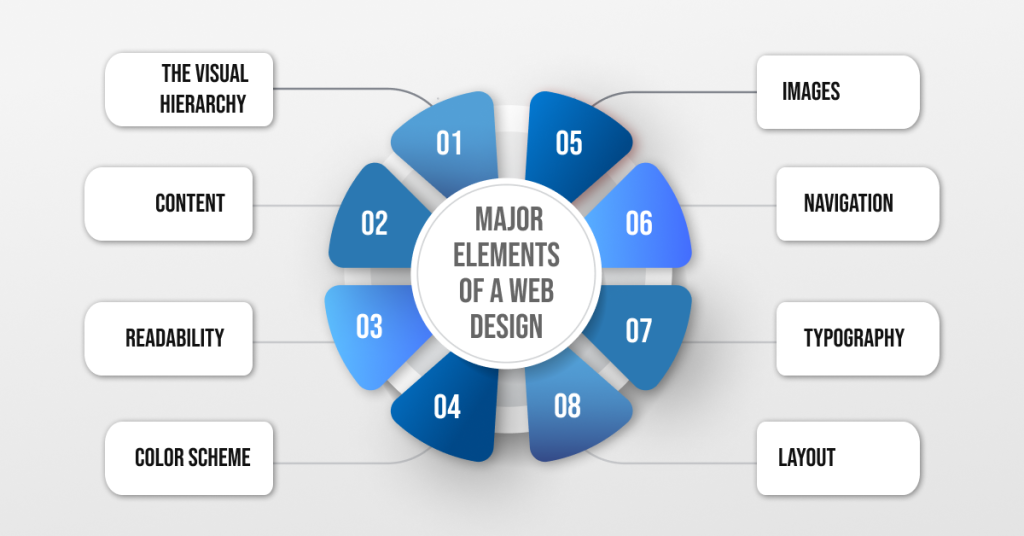
What Are the Major Elements of a Web Design?
Major Elements of a Web Design

The process of designing the web is quite flexible. This allows the designers to adjust to any preferences. There are several standard components of every web design. These components include the following;

– The visual hierarchy

– Content

– Readability

– Color scheme

– Images

– Navigation

– Typography

– Layout

Let us have a look at each element in brief.

1. The visual hierarchy

It is an order in which the end-user will gather the information from the site. The web designer makes it by using a visual pattern for the online website. The visual pattern is the way that manages the behavior of visitors visiting the site. For instance, the F-Patterns highlight the top horizontal section of your website. Most designers happen to place the brand logo and navigation and the search bar here. These are a few elements that inspire brand recognition.

2. Content

The content refers to the readable information present on the website. It is one of the major elements of the website. The reason behind this is that users want to get information immediately. If the website’s content can communicate in no time, then it will grab the attention of the users. In layperson’s language, the better the content, the better the conversion rate into leads. The web designer can meet this by making use of an engaging tone. Also, one needs to understand the importance of right and authentic information on the webpage. As a designer, one must ensure that the content put on “about us” and “contact us” is correct!

3. Readability

As a designer, you need to understand the role of readability. The concept of readability refers to the ease and comfort one gets while reading a webpage. This means that the content present on the web page should be easy to understand and read. The user should not find difficulty in reading and grasping the same. If the readability is great, it will automatically improve the UX experience. As a web designer, you can enhance readability by using the appropriate pixels and size of the text. Not to overlook, the disparity between the background of the site and text colors also plays a major role in improving readability.

4. Color scheme

The combination of the colors on the website depicts and says a lot about the brand it represents. As a web designer, you need to use the right colors that represent the industry. For instance, you can pick a dominant color and a couple of other colors to create a palette. You can choose between monochromatic, analogous, or complimentary. As a designer, you need to focus on the ideology of colors the users are most attracted to.

5. Images

Images include pictures, photographs, illustrations that visually depict the information. As a web designer, to create the best effect, you can use images that go with each other. Users get attracted to the visual representation more than the textual part. Thus, make sure that the pictures you use tend to attract and target the right audience.

6. Navigation

Navigation refers to a user’s tools to navigate anywhere to a particular website. One can find these tools either in a header, footer, or even the body of the website. The placement of these tools depends on the layout and the design of the website. However, these tools are important as they steer the audience to the information they want to grasp.

Web designers can use different designs and layouts for navigational tools. For example, they can incorporate buttons and one-click arrows to take the users to the top of the page.

7. Typography

It refers to the type and style of the font in which the text appears on the website. Designers can use a combination that attracts users and is easy to read. Depending on the brand’s purpose, the site can either have serif fonts, while others can have non-serif fonts.

8. Layout

This is the most important part for a designer where he has to put his attention. The layout refers to the style in which material or content is displayed. Therefore, the design of the layout has to be simple, attractive, and intuitive.

Designers tend to create special layouts for different display screens. This refers to mobile display screens or desktop screens. With the advancements in technology, it has become very important to have the website accessible on a mobile phone. The reason behind the same is that users prefer to open and access the website from their cell phones in today’s era. For a mobile-friendly website, a designer needs to make sure that he uses a responsive template. This template will ensure that the website adapts to any screen, i.e., desktop or mobile.

What Is the Use of a Web Design?

A web design is vital for meeting several tasks and goals. These include the following:

1. Customer Satisfaction

An excellent web design will have a positive impact on the users. Customer satisfaction plays an important role in improving the UX. The better the UX, the better the relations will be with online website visitors visiting the site.

2. Search engine optimization

Search engine optimization refers to using the right strategies to help a website rank. Web designers happen to code the information so that the search engine can read it with ease. This will help enhance the business as the site ranks in the top searches.

3. Compatible branding

Branding refers to promoting the product with a different style and design. Designing web will play an important role in helping brands. It will create a crisp, clear promotion for their business.

4. Mobile responsiveness

Mobile responsiveness refers to the optimization of the layout of the website. To be precise, it means that the website’s layout has optimization in a way that it can adapt depending on the screen size. A web designer will ensure that the site is easy to navigate and view on any screen. If the website is mobile responsive, it will target more audiences and help with leads.

5. Technical efficiency

This term relates to making a better experience for customers and users on the website. For example, web designers can get technical efficiency by using clean codes. This will improve the loading time of the website. Also, it will enhance dynamic images and graphics. All this will lead to a better UX.

6. Conversion

The whole purpose of a website is to improve conversion rates. To enhance this, web designers can make use of the best strategies. Conversion takes place when a user completes a specific task on a website. The user has to be on the website for a longer period for this to happen. Web designers can use the best techniques to make the website appealing enough to hold the user’s attention. With this, there are chances they will click on the CTA and exchange valuable information.

7. User experience optimization

Web designers can always conduct an audit and understand how people engage with the website. This will help the designers to understand which pages have fewer engagements. With the help of an audit report, they can start working on pages with less traffic. This will help you enhance the web pages and improve the UX.

8. Improve sales

By now, you must have understood the importance of UX. The better the user experience on the page, the better the conversion rates. Web designers need to ensure that they work and make use of the right techniques, including

– Color scheme

– Clean coding

– Responsive website

These things will positively impact the website and thus better sales.

These are a few reasons why web design is important.

FAQs:

1. Is it a good time to become a web designer in 2022?
Before you decide and jump into a new career, you need to look at the path you are jumping into. There are certain aspects that one needs to consider. For instance, look at the job opportunities in the same field after covid. Not to overlook, the pandemic has had adverse effects on careers and job opportunities. Thus, before you conclude, you need to consider all this.

2. Are web designers in demand right now?
No matter what goes around in the world, technology is boundless. We rely on technology for several matters, and designers play a vital role in that technology. Web designers design it, and also they are behind the constant efforts to make it look so flawless.

This is a handy guide to web design in 2022. With the advancements in technology, there is always a change and development in how web designers play their role in improving conversion rates each year. Thus, it is always better to get in touch with a prominent web design agency like Deftsoft and get ahead of your competitors. 
10 Web Design Principles for a Successful Website in 2022

A website is the reflection of a brand, and in most cases, it helps form the first impression. Usually, visitors judge a website in the first few seconds, and a visually appealing website is important to captivate the attention of the visitors in a short span. Whether the visitor will remain on your page or leave your page highly depends on the web design.

Did you know that 38% of visitors stop engaging with a website if the content or layout is not attractive to the user? Along with it, web design also impacts the performance of a website in search engines like Google. In this blog post, you will learn about the effective web design principles essential for a good website that looks good and functions properly. 

Web Design Principles

1. Simplicity 

Simplicity is the key to a good website design. Unnecessary and overcrowded elements may mislead or distract the user from important things. Aesthetics are more appealing in a clean and fresh website design. A simple website can do wonders, and it helps users locate the desired information easily on the web page. 

2. Visual Hierarchy 

Visual hierarchy in a website helps the visitors understand where the most important information is. It is all about the right arrangement of various elements to create a sense of order. The visual hierarchy helps improve user experience by establishing clear navigation and making important elements noticeable. 

3. Consistency 

Another important principle for a winning website is consistency. From the homepage to the last page, everything should be symmetric in a good website. A well-designed and alluring header, footer, body section, and the same font, color, and design style help maintain consistency. 

4. Navigation 

Navigation is important in a website so that the visitor can search with ease. An organized and transparent navigation system makes the user experience better, and it encourages the users to stay for longer on the website. So, it is important to place the navigation bar properly to make the website look clean and boost the website design. 

5. F-Shaped Pattern 

The F-shape pattern is one of the most popular strategies for a great visual hierarchy in a website. It helps visitors scan the website comfortably and effortlessly. According to studies, most visitors (western readers) look for the F pattern. They go from left to right at the top and come down the line in the same direction. So, the F-shaped pattern is the perfect design to maintain the natural flow of reading of the visitors. 

6. Content 

Great content helps deliver the right message to the audience. So, a website cannot achieve success only with visual appeal, and content is equally important. Clear, relevant, and keyword-rich content helps engage and persuade the audience, and design, visuals, and videos provide a secondary role. So, the content should be ready before starting the web design. 

7. Typography 

Typography makes the content look attractive and helps enhance the readability of the website. Choosing the right typography is important as it is an extension of the brand image. Along with it, typography helps maintain consistency and makes the website look aesthetically pleasing. So, typography is essential to improve the overall user experience of the visitors. 

8. Colors

Using the right colors in a website ensures that it reflects the right message in the right way. Apart from using the brand colors and the client’s favorite colors, there are a lot of factors that are considered while choosing the colors for website design. Some of them are the color theory, color wheel, and color psychology. This is because color highlights the important website elements and increases brand recognition. 

9. Performance 

If a website looks good but does not perform well, then it is of no use. So optimizing the website performance and adjusting the things that may ruin the user experience is essential. Also, when there is a delay in loading, displaying a reassuring error message or a loading animation can help improve the performance. 

10. Mobile-Friendly

Most people prefer mobile devices rather than the desktop, so having a website with a responsive layout is important. It should adjust to different screens and provide compatibility on both desktop and mobile devices. Gone are the days when the mobile version was minimal. Now, having a mobile-responsive web design is extremely important to expand the reach of services.

The Final Words

A good website design should have all the elements that make it functional and beautiful. If you are looking for a website designer who can help you create your dream website for your business, Deftsoft is the name you can count on. Our exceptional, skilled, and experienced designers believe that a great design is the heart of the website. We can help you create an aesthetically appealing website to drive impactful results for your business. 

Graphic Design Trends That Will Redefine How Brands Work in 2022

It’s time to gear up for 2022 and embrace new graphic design trends that are changing how brands communicate with their target audiences.  For brands, graphic design is the channel through which they convey valuable information such as mission, vision, and brand story. According to Steve Jobs,” Design is not just what it looks like and feels like. Design is how it works”.  Graphic designs, when used effectively, not only catch your eye but also drive engagement and give brands an edge.

2020 was a wild year, and we can say the same for 2021. People spent most of their time indoors; remote work, telehealth, and digital learning became the recipe for surviving the crazy year.   The events of the past two years will influence design trends in 2022.  Pandemic social movements like Black Lives Matter have changed the way brands communicate with customers.

More brands are moving towards inclusive designs, and branded memes have taken centre stage.  While the past trends were driven by the promise of a new decade, in 2022, designs will focus more on people.

Why Graphic Design Trends Matter for Brands?

Popular trends help creative directors, freelancers, and graphic designers brainstorm new ideas for the coming year. Through design trends, you get to know what’s going in the world and embody the current trends in designs.  Brands must keep their fingers on the pulse of the cultural moment to create designs that are both attractive and meaningful and resonate with their audience.

Here are some facts that reveal the importance of graphic design for every business.

– For every $ 137 a business spends on design, turnover increases by $310.

– Shares in design-led businesses have outperformed over the past decade.

 – Large-scale businesses consider designs an integral part of their strategy.

– Good design changes customers’ perception

– Design enhances content visibility

– It drives more conversions and increases ROI

– Enhances communication between the brand and customers.

What are the Upcoming  Graphic Design Trends for 2022?

Focus on Inclusive Visuals

In 2022, you will see graphic designs that reflect diverse communities. With social movements on the rise, like Black Lives Matter, brands are now answering rallying calls by incorporating more inclusive designs. Icons, illustrations, and photos will now display a variety of ethnicities, orientations, and abilities. Inclusive visuals will now become a mainstay in marketing communications.

Data Visualisation will now focus on Fun Topics

In 2022, you will see brands using graphs and charts to answer the call for more entertainment. Fun visualisation will become one of the most significant graphic trends of 2022. Data visualisation will now focus on topics like gaming and remote work. There will be visuals on relevant topics wrapped in a cheerful tone. The focus will be on creating entertaining content that relieves the stress of the past year.

Comeback of Bold and Bright Background Colours

What will make you stand out in the crowded online environment? It’s of excellent quality and has a bold background. Colour trends are ever-evolving; however, you may go back and forth between bolder and muted styles. Currently, brands are using the bold colour phase for marketing materials.  You are creating a contrast that makes the text and visuals on the background easier to read.

More Colorful Icons and Illustrations

In 2022, you will see colour influencing the graphic design trends in icons and illustrations. Colourful icons will be in a rage and will continue to do so in 2022. Colourful trends apply to both 3D and flat icons. Brands will focus more on illustrations that invite interpretation, thereby gaining the target audience’s attention.

Make Way for Relevant Memes

The doom and gloom of the pandemic had a direct impact on the types of visuals brands created. This is the reason graphic design trends will see the rise of branded memes in 2022. Brands will incorporate universal visual messages that coincide with their company’s specific tone and their audience’s needs.

Using Quotes as Teasers

Quotes are no doubt the mainstay of marketing. However, we are not talking about the general motivational quotes shared by friends, relatives, and brands on social media. Instead, we are talking about pull quotes from larger pieces of content—like blogs, podcasts, and ebooks —that brands can share as teasers. This gives them an idea of what will happen next, keeping them hooked till the end.

Social Media Screencaps will be everywhere

What is Screencap, and why are marketers going ga-ga over it?  Take a screenshot of a post on Facebook and post it on Instagram-that’s screencap for you! You can also take an image of a tweet and share it on LinkedIn. Screencaps are cost-effective renderings of visual art. Brands don’t need to create separate content for each social media platform, thus saving time and resources. Note: When using screencaps, focus on entertaining content and sales-focused content.

2022- Gear up for Graphic Design Trends Aligned with Entertainment

It’s time to be visually appealing to users, which is only possible through graphic design trends that have entertainment written all over them. Create visuals that are more engaging, entertaining, and reflective for society.

Stay Current with the Top Web Design Trends in 2021

What the coming year has in store for web design?

In 2021 you are expected to see dark mode, mixed media and 3d elements to the forefront with a focus on page speed and user experience.

In 2020 time seems to slow down with things changing so much that a day feels like months, and when it comes to change, web design and development is not far behind.

 Every year new web design trends promise to take us into the technology-driven future that we only dream of. But the 2021 predictions for web design trend are just the opposite of it. In 2021, web design trends share a common theme; from hi-tech fantasy, the focus is on achieving heights of realism. 

The web design trends will combine digital and ordinary life like never before. These trends show how important websites have become in our everyday life. Certain aspects of web design are not going anywhere like user-friendly navigations, data security, a fast load times. In addition to these trends, other web design trends that web designers look for include:

Parallax Animation 


Parallax Web Design - The Earth May Not Move for Us But the Web Can |  Interaction Design Foundation (IxDF)

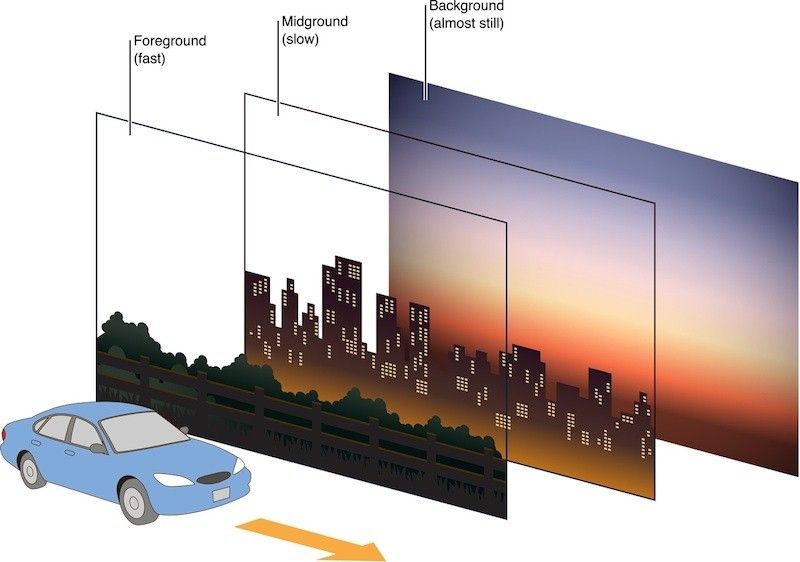
In 2021, web designers will see the rise of web-based animation trends. Micro-interactions to particle backgrounds animation trends have become more complex as designers separate page elements into the foreground and background extremes to create a parallax effect. 

What is parallax? It’s an optical illusion when objects near to the viewer appear to move faster than the objects that are far away. 

Designers use foreground and background to provide additional benefits of immersion, transforming the computer screen into a theatre stage. When users navigate the web page, they are attracted to the magic of Parallax animation.  

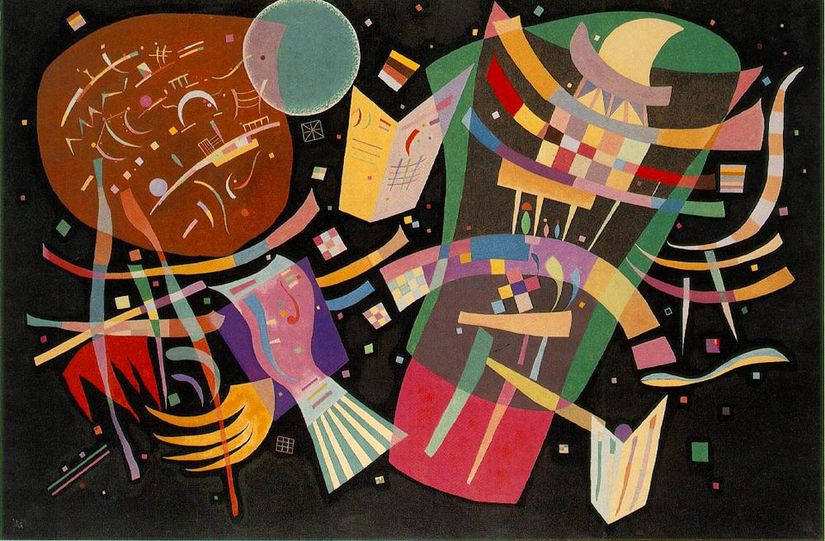
Abstract Art Compositions

ART Work Designing - Deftsoft

If you think abstract shapes like squares, circles are simple, minimalistic and restrictive; your opinion is going to change in 2021. In the coming year, web designers will incorporate them into complex and unique compositions that will redefine the way a website looks. In 2021, web design for tech products, startups and apps will include abstract art elements as an alternative to photography. 

Abstract art elements are going to take the place of stock photography and figure illustrations. By usingabstract art compositions, the web pages will feel expressive and alive, even in the absence of familiar human faces. 

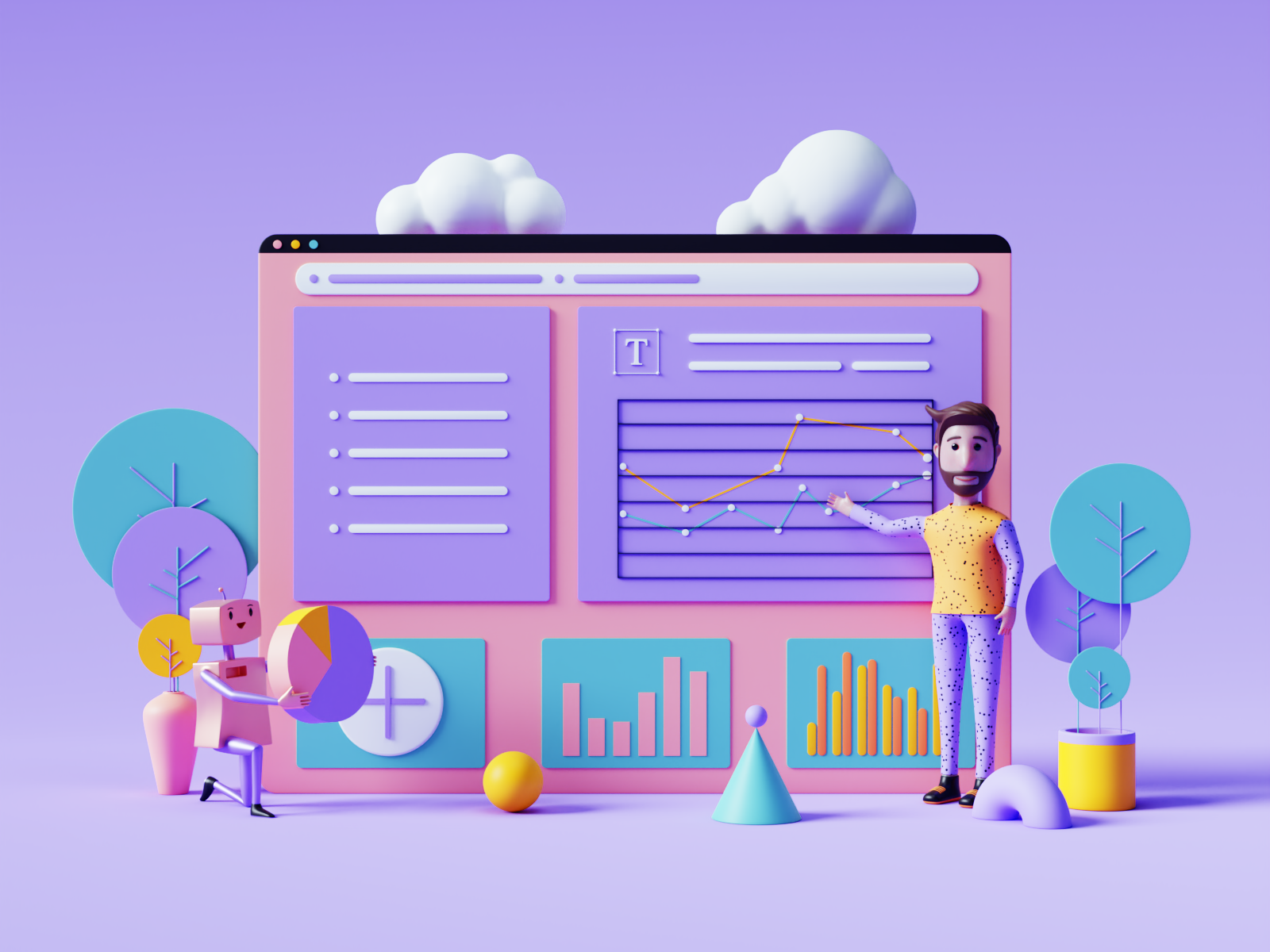
You will see 3D Visuals Everywhere.


3D Web Illustration - Deftsoft

With the introduction of higher resolution screens, the 3D design has come a long way. In 2021, you will see high-quality 3D visual will blend smoothly with the rest of the web design. These 3D visuals add to the overall user experience. One pro tip for designers is to make sure 3D visuals are in harmony with the rest of the design elements. 3 D design elements will add a sense of uniqueness and dimensionality to every web page.

State of the Art Multimedia Experiences

State of the art multimedia experience

At present, everyone has access to faster internet speed. As the internet becomes available to everyone, multimedia web experiences are popping up everywhere. To create a user-friendly experience, designers are blending visuals, text, video and audio elements together. Successful design trends in the coming year will include;

  • Use of a variety of media formats to maximize the accessibility of content.
  • Pre-recorded media will include closed captioning and transcripts.
  • Designers will include alt text for images and accompany complex images with longer descriptive text.
  • Designers will avoid auto-playing video or motion content

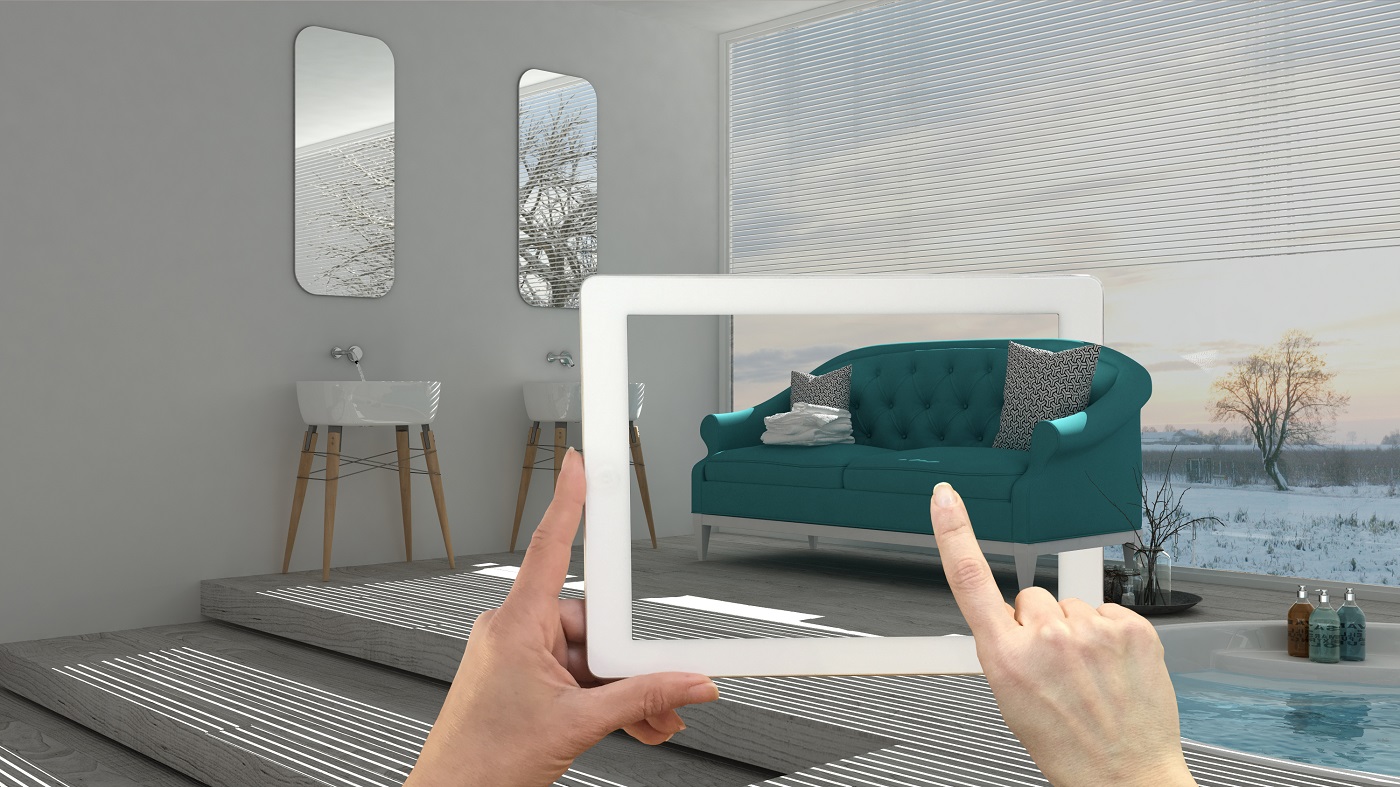
Augmented Reality Experiences

Augmented Reality Design - Deftsoft

Along with multimedia experiences, designers should not overlook augmented reality. AR is more than hunting for Pokémon on your mobile phone. When it comes to AR in web design, we talk about web XR API and new software that have opened the technological front for users. In the future, more retail and e-commerce websites will use the power of AR to boost their sales and facilitate potential customers in the buying process. 

Digital Interpretation of Physical Products

It’s a proven fact that products are the heart of a website. In 2021, web pages will have their heart on their sleeves. There will be a creative digital interpretation of physical media. Digital interpretation means using colour codes to create visual synergy between the product and the website. This way, web pages will appear more organic and interesting. 

Designers will blend the real world and digital feels to create websites that will create high user engagement. 

Web Design will focus on User Preference. 


 UI/UX Designs - Deftsoft

 The primary focus of designers is to deliver personalized experiences to the user. A personalized experience can range from the option to switch between dark/light modes to changes in a site’s appearance and navigation. Websites will now contain content that is tailored to customers’ tastes, similar to the custom playlist generated by music apps. 

In 2021 focus will be on creating a more user-centered website. Designers will try to meet the needs, wants and tastes of users navigating through websites.

In addition to the above trends, 2021 will be the year of three-dimensional colours, captivating questionnaires, scrolling transformations, better ecommerce UX and more. All these web design trends look nothing like sci-fi movie design trends that are hard to implement. These are the actual design trends you will encounter in everyday life. These trends will give you an insight into what the future will hold for web design. For the success of your website, it’s essential to stay up to date with these web design trends. 

After reading the above trends, you will be in a better position to update your website design to create a positive impact on your brand and revenue.