Top 7 Mobile Tech Trends That Define the Era of Immersive Technologies

Are you all set to witness the latest mobile development trends that will dominate the year 2021? To become successful in any business, you have to keep your finger on the pulse. When we talk about the mobile industry, with its continuous fluctuations, you have to stay on your toes about the latest mobile tech trends.

Mobile development has become the new norm for businesses. Without a mobile-optimized solution, you will be at the risk of losing a significant proportion of your valuable clients. Whether you are a mobile app developer or run a local business, keep a close watch on the tech trends dominating the mobile space.  

There are approximately 3.8 billion smartphone users, and this number is going to increase in the coming years. Hence, there is an opportunity for businesses to use advanced mobile tech technologies to achieve their goals quickly.

The Driving Force Behind Mobile Market Growth: Mobile Tech Trends

The widespread adoption and usage of connected gadgets has led to the growth of mobile industry. Smartphones and tablets affect how customers purchase products, thus providing substantial business opportunities. At present, users want more; the full freedom to decide which app to download or which application to use. 

When consumers have so many choices, it becomes imperative for businesses to encash the opportunities and create solutions that will give them an edge over competitors. Competitiveness and customers’ needs are two primary factors that drive the mobile industry.

Now, let’s talk about the key trends that are defining the mobile tech industry.

Blockchain Apps

Blockchain plays a crucial role in mobile app development. In AppStore and Google Play, you will find lots of applications that work with blockchain. These apps include e-wallets, currency converters, digital asset tracker apps, and networking solutions.

Blockchain is not only for cryptocurrencies; you can incorporate it into many industries to create more sophisticated projects. The primary benefits of blockchain apps include:

– Increase data protection and reduce the risk of data loss.
– Faster transactions
– Simplicity
– Transparency’

Augmented Reality and Virtual Reality 

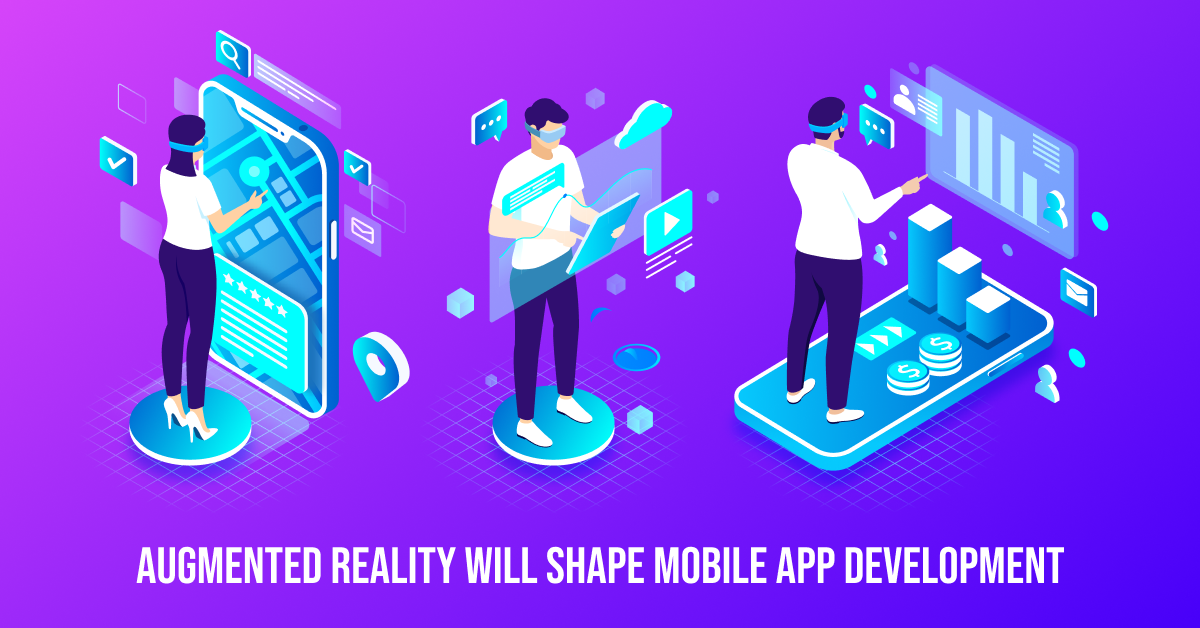
In 2021, more mobile apps will incorporate AR and virtual reality features. Applications that run on AR and VR offer incredible opportunities to enhance the real–world environment, thus elevating user experience. It was only after the success of the game Pokemon Go that AR caught mobile app developers’ attention. In the past, AR and VR were only used in gaming apps. But, the new trend is the use of AR and VR in mobile apps for practical purposes like object measurement, navigation, education, interior design, user manuals, and more. To keep up with the trend, Google has collaborated with Samsung, Motorola, and Huawei to make smartphones with AR-enabled technology.

Chatbots to Answer User Queries

It’s not possible for customer care personnel to clarify all the customers’ concerns, and customers don’t have the time to get a valid answer. So, it’s essential to use chatbots that will guide and reply to customers immediately. The best thing about chatbots is that they offer 24/7 services reducing the waiting time for customers. Benefits of using chatbots:

– Result in higher customer satisfaction and user experience
– Round-the-clock services to your customers
– Give quick responses without the need for a human associate

Cloud-Based Mobile Apps 

What’s the new hot word in the mobile world? Combining the technological trend with mobile apps will boost productivity, storage capacities, and team collaboration. Numerous apps use cloud technologies, including Microsoft Azure and Amazon Web Services, which come with good cloud computing backup. Google, Youtube, Twitter, and Pixlr also use cloud technology.

Benefits of Using Cloud-based Mobile Apps

– Recover your old data easily.
– Mobile cloud computing technology supports multiple platforms.
– Store and recover data from any locations across the globe.

5G Wireless Technologies 

5 G technology has become the new norm in the mobile world, and it has tremendous capacities for businesses. 5 G wireless technology will make brands more agile and efficient and improve e-commerce sites’ responsiveness.

With 5G technology, you can transfer large amounts of data over wireless brands at 20 Gbps. The new technology is beneficial for the mobile app business. Users will love to shop from a super smooth and fast website, which is only possible if the website uses 5 G technology.

Use of Digital Authentication and Mobile Wallets

 The main reason for abandoned carts is the unavailability of a safe, secure, and fast mobile payment system. Users prefer mobile transaction systems with digital authentication processes that allow them to pay via mobile wallets.

Mobile wallets offer two-step or even multi-step authentication facilities, creating a secure payment environment. Pin or fingerprint verification is the key to achieving security with smartphones and tablets. 

Artificial Intelligence and Machine Learning

In 2017, Apple allowed developers to integrate voice assistant Siri in their applications. Since then, developers have focused on integrating AI and machine learning algorithms into their mobile solutions. Some examples of AI and machine learning in mobile solutions include:

– Chatbots and virtual personal assistants
– Use of motion and facial detection apps
– Financial forecasting solutions
– Speech recognition apps for gaming and entertainment
– Recommendation engines for online shoppers or travelers.

At present, mobile technology has become a must-have for businesses. Enterprises use mobile apps to perform multiple tasks such as selling, buying, and promoting services. For business growth, startups, SMEs, and big enterprises use technology-based apps. Mobile technology not only helps firms make correct decisions but also boosts productivity.  

Brace Yourself for Google Web Stories in 2021

Guess who is riding on the Google stories trend? It’s not your friend or next-door neighbor who uses Facebook or Instagram to upload their stories. We are talking about Google, the search engine giant.

That’s right; Google now allows website owners to create stories to promote their business. Sound’s exciting, right?  Through Google web stories, businesses can post their short video content on websites without creating an account on social media, Instagram, Snapchat, and Facebook.

Whether you belong to the Gen Z category or are an old school, you will be familiar with Social media stories. We are talking about those circles that appear at the top of your social news feeds, where you can see videos, images shared by your friends, and contacts. Stories have changed the face of social media and now will change the way brands engage with customers on the Google SERP.

Web Stories is a Visual Story Telling Format-Alternative to News Feeds.

An animation of Web Stories


https://blog.google/web-creators/web-stories-discover-search/

When stories were first created, advertisers considered it as a new medium to present their products and services.  The reason being story Ads are more creative than conventional Ads that users often skip.  Stories offer an excellent way to create crisp, entertaining, and informative content.

Google announced Google web stories’ placement in its Discover tab on the Google mobile app with 800 million active users. The stories feature is currently available in the USA, Brazil, and India. 

Google web stories have created an opportunity for SEO professionals, marketers, and content creators to enhance their user engagement.

What are Google Web Stories, and Why It’s a Good News for Business?

Google web stories- the immerse, full-screen format allowing users to bring their stories to the web.  Google web stories offer fast-loading full-screen experiences to users. Through stories, you can create visual narratives with trappable interactions and engaging animations.  Although Google stories come in the same trappable format on social media, they appear on search results and on Discover in the Google Android and iOS app.  

Web stories allow you to feature full-service screen video, photos, and audio which can be shared and embedded. Use it to link to other content or pages on your website. According to the latest report, Google is thinking of incorporating quizzes and polls in web stories for better engagement.

What Benefits Google Web Stories Offer to Online Marketers?

Google is the prime platform businesses use to promote their product and services. And now, firms are shifting towards web stories as it provides an interactive space for engagement topped with bookend capacities for viral distribution and monetization.

Why are businesses flocking around this new feature introduced by Google? Let’s find out!

Stories Offer a Higher Reach.

With Google spreading the placement of stores, brands can reach out to any person and not only their followers and target audiences. Web stories are an extension of a website, publishers can reuse them for any purpose; use them as links in social media or on their homepage.

Easy to Create Creative Content

Web stories help in creating creative content. However, to create functional web stories, you must briefly know HTML, CSS, and JavaScript. There are many easy-to-do tutorials on the web that allow you to embed web stories on your website.

Flexibility to Create Customizable Content

Google web stories come with preset templates that you can customize according to your brand and standardized UI controls and share content on other platforms. They also provide a feature to add follow-up content as well.

It Comes with Fast Loading Time.

Slow loading time is the main reason for high bounce rate. Stories allow you to create quick content, thus increasing the loading time. If you don’t want users to read long text, convey a message through stories.

 Sharable and Linkable Content

Through stories, you can share and embed your content across different apps without being confined in a single eco-system. This gives you an upper hand over social media stories, which you can share from one social media app to another.

Keep a Count on the Engagement Rate.

Unless you track the new feature results, you will not know whether it’s working for your brand. Google allows you to measure web story engagement through analytics and bookend capabilities it provides for viral sharing.

What’s the Role of SEO in Google Web Stories?

Wondering how web stories aid in search engine optimization?   Web stories are nothing but web pages that have:

– Their own role
– Link it to other web pages
– They are linkable
– They appear in search results.

This means you can do all the SEO things with web stories that you do on your web pages. Also, web stories are new, so there are no Google guidelines on how Google ranks your search engine stories.

How to Create Web Stories?

– To develop your own stories, there are two options available to users.

– You can either sign up to a 3rd party tool to create stories through drag and drop software and embed them into your website.

– Build a story with custom functionality.

The Future Potential of Google Web Stories

There is a great potential for Google web stories, especially for businesses. Developers are working continuously to make web stories a great tool which business can capitalize. In the coming days, don’t be surprised to see some amazing features on Google web stories, puzzles, and contests, to name a few.

Is it time to start experimenting with the visual storytelling format? Hurry to create your first web story and get ready to see an increase in customer engagement.

Selecting an IT Outsourcing Partner: A Credible Step for Business

Introduction to IT Outsourcing

Ever wondered how to step up your game in the online market and become the king?  We are sure you certainly have.  But the obstacles you will face include rising consumer expectations, market pressures, and rapid technological change. One thing you need to understand is that being swift, agile, and accurate will get you to the top.  An in-house IT team might be a restraint on the speed.

If responsiveness is the key, finding the right IT staff is the best way to reach the digital market people aspire to.  According to research, more than 60% of employers find it hard to bring in the best IT talent.  Hiring in-house talent also comes with additional costs and increased risk. Outsourcing is the best option to make you the online king.  Wondering how?  By hiring a versatile, diversified team of talented professionals, you can transfer the entire burden onto their shoulders.  The outsourced creative thinkers, developers, and talented designers will help you produce a digital product that will beat your competitors and be your customers’ favorite.

An amazing fact that will astonish you – outsourced global IT services will reach more than $900 billion by 2027.  What is the reason for this jump in the market?  The flexibility and innovation offered when the best outsourcing company is hired.

Why Outsource to an IT company?

With outsourcing comes different benefits, including having people with the skill sets you don’t have within your business.  A diverse influence from IT professionals will always help to improve your game.

Rather than trying to fit in a resource for a vital project, select an outsourced company that can provide the proper support.  It will, in turn, help to get the right assistance for your current project.

More than 30% of organizations choose to outsource.  Wondering why?  The added benefits and talent to your internal team as well as collaborating with a diverse group of people will help to progressively transform your business.

Outsourcing is a win-win situation as not only will you have creative minds on board, you will also be able to stay ahead in your core business.  Experts know the importance of outsourcing; that is why it has been recommended by them.

If you still don’t believe us, go through these benefits on outsourcing an IT service to get a more informed picture.

Cost-effective.  Saving money is a key to running a business, as well as increasing profits, and outsourcing helps you do just that.  With the outsourced service provider’s specialized experience, you can have a clear mind and focus on your core business.

Another added advantage of outsourcing is the reduction in the cost of hiring new IT talent for your firm.  The fixed costs are eliminated when you choose to hire a professional outsourced provider for your project.

Experts on board.  Your outsourcing partner will have the relevant experts on board who can work on different projects.  Their expertise and skills will help your team to develop a broader mindset.  It will allow you to quickly dive into new technologies that may not be available with an in-house team. 

Choosing an outsourcing company will allow you the freedom to have a diversified team that can meet your project’s demands.

Reduction in risk.  Responsiveness is key when project development is in progress.  If you don’t adapt according to technological advancements, you will soon be behind the competition.  Outsourced partners know this very well; they will always be a helping hand, thus reducing your risk.

Your outsourced partner will work within your budget, to tight deadlines, and will be a much better option than in-house staff.

Scalability is another advantage that cannot be overlooked.  Having an ideal partnership is ever-evolving and helps your business to grow at at a faster speed.  This, in turn, will help to develop a strong customer base in the market and stay competitive.

How to Hire the Right IT Outsourcing Partner?

There are several creative agencies to choose from that can help you.  Look for an agency which not only focuses on design and technical services, but is also competent.  Hiring competitive minds for your business will help it flourish and stay ahead in the online game.

Hire an outsourcing partner who will work as part of your firm’s team from the start to the end, and helps you generate a positive outcome.  An experienced partner is preferred so that you have the right talent for your company.

Going big or going home is not the criteria you should use here.  Here are some of the elements to consider before hiring the right outsourcing firm.

A proven track record.  You can find several newbies in the market, but we recommend going for experience.  Search for a partner that has a proven track record in your niche.  Go for long-term, strategic partnerships that will be fruitful for you.

Comprehensive technical skills.   It’s unlikely you’ll find an outsourcing partner that fits every aspect of your product development.  So, look for a partner who has a technical expert team in different areas.  These platforms can include, but are not limited to, video, machine learning/AI and analytics.

Have an approach to partner with a company that will provide you with the best.  

Providing the final product starts with having a great, creative discussion. Choose an agency that is a people-first agency who will help with creative ideas.

Your outsourced partner should have a positive attitude to working with you and excellent communication skills. Hiring a firm that communicates well will always help assess the progress of your project, thus making it a success.

The best outsourcing partner will ensure the successful closure of the project.   

How Can You Make Your Outsourced Project a Success?

Hire someone who will work with you, and not for you.  The success of your outsourced project depends on you as well.  So, here are some tips to having a successful outsourced project.

– Be specific about your goals in a clear way.
– Carry out proper research on the market and view feasibility studies.
– Regularly check the progress of your project.
– Hire a provider who has the relevant experience and works with you.
– Go for a firm that can meet all your requirements and work on your project instantly. The outsourced partner should work in a secure way.

Deftsoft is an IT-based service firm that has a team of creative minds on board and experienced experts under one roof.  With several ongoing and delivered projects, we have the greatest minds who can deliver a successful project.

At Deftsoft, we know how important it is to work with you; we view the broader picture and adapt to working alongside your business’s teams. With the best modern technical methods used, hire our interactive minds for your project.

Top 9 E-Commerce Platforms To Sell Digital Products

Are you thinking of selling your digital products online?  Well, first, answer this question: which software or platform should you use to sell and deliver digital products? The answer depends partly on what type of digital products you are selling.  For instance, if you want to sell online courses through a platform like Thinkific, your selling and delivery will be done through the Thinkfic platform.

Before discussing digital platforms, i.e., e-commerce platforms, we must first define what digital products are.

What Are Digital Products and Features of Digital Products to Sell?

Digital products are software-enabled intangible products that are sold online. Digital products exist as files that customers can download, stream, or transform into tangible products through technological devices. Like, people download e-books and print them using a printing device.

Customers can purchase digital products through mobile devices without any need for face-face interactions. Selling physical products comes with its own set of hassles, which are overcome by digital products. Digital products are in their league. They are easy to distribute, more sustainable, and are simpler to create.  To make a digital product worth selling, sellers don’t need more than one or a few devices. For selling digital products, you don’t need any physical material, factories, or staff. Just a computer, a sprinkle of passion, drive, and some time and you are all set to go. Some of the top trending digital products to sell in 2020 include:

  • E-books
  • Software
  • Video
  • Audio & music
  • Photography
  • Graphics & digital art
  • Documents
  • Courses
  • Professional services
  • Tickets
  • Web-based applications

Features of Digital Products That Make Them a Hit Amongst Sellers

They are easy to sell: With no physical interaction, selling digital products becomes a cake-walk. In the case of digital products, users don’t need any physical interaction with buyers. Sellers only have to upload their products on sites like Memeberpress or Woocommerce and then leave it to buyers to interact with the platform to make an immediate purchase.

Cheap to create: Digital products are cost-effective to develop. For instance, in e-books, sellers only need an online platform to write and upload the file without dealing with expensive printing costs. For web-based applications, sellers only need to write a programming language to create digital products to sell.

Note: It is important to craft a compelling e-commerce RFP  when looking for a reliable vendor for your digital product.

You can sell it online: Since digital products are intangible, you can sell them only online. If you want to gain access to any digital product, you have to first connect to an online platform through any technological device. A digital product will become a physical product when it is available for sale online.

No stocking required: In physical products, sellers don’t have to pay to stock, package, and ship. Also, there is no fee associated with stocking and managing digital products. Once buyers upload digital products on a platform, you will gain access to it as many times as you want.

Top E-Commerce Platforms Where You Can Sell Digital Products

1. WooCommerce:

WooCommerce Tutorial: How to Build an eShop in 60 Minutes [2020]

If you want to sell a few digital products, Woocomemrce offers more functionality than you need. On the contrary, if you want to sell subscriptions or a bunch of digital products, you need to consider this tool. The best thing about this platform is that you don’t need an existing website to use it. It comes with a customizable online store you can use for selling your digital products. Don’t have an existing site? Fret not! WooCommerce is a plugin you can add to your WordPress site on a click of a button. Since WooCommerce is an open-source platform, you can use it for free. However, you will have to pay for web hosting, and for extensions, you will also pay more. For example, for installing PayPal Pro on your website, you will have to pay an additional $79.

2. Podia:

Why Choose Podia?

It’s a website designed for selling goods online. This platform is ideal for selling digital goods online, like courses for online learning and digital memberships. Podia helps you to share expertise, content, and other services online. The best thing about the platform is that it replaces a multitude of other products in your sales environment. Some of the features of the platform include:

  • Website functionality
  • Custom URL
  • Free migration of exciting content
  • Messaging for customer service
  • Email marketing and drip campaigns
  • Membership site support
  • Online courses
  • Digital downloads

The online platform allows you to customize your storefront and sales pages. It comes with unlimited hosting with your pricing package and supports 11 languages and 22 currencies. The integration with Google Analytics and Facebook pixels makes marketing easy; you can also add images, videos, testimonials, etc.

3. Sellfy:

It offers a simple and popular solution for selling digital products online. The platform simplifies ecommerce and supports more than 60,000 creators across the globe. Sellfy comes with a video builder that helps in running the store quickly with minimal need for coding knowledge. Popular features of the Sellfy include:

  • It comes with multiple payment options.
  • Provides mobile optimization for people on the go.
  • Shopping cart support
  • Provide subscription models
  • In-depth analytics
  • Easy to use visual builder
  • Custom domain
  • Multiple store languages

4. Gumroad:

Gumroad Review: What You Need To Know About This Platform!

This software solution supports creators from artists to writers and educators and podcasters. The platform simplifies the process of getting paid for doing and selling what you love. We are talking about books, comics, and even music. You can use the platform for free. However, if you use premium features, get ready to pay $10 per month plus a charge of 3.5% and 30 cents for each transaction. The platform has everything from an affiliate center for building conversions online to a user-friendly interface for video hosting and gated content. other features include;

  • Support for various payment types
  • Embeddable checkout buttons for your website
  • Provides customizable checkout pages
  • Discount and coupon creation
  • Includes affiliate marketing tools and management

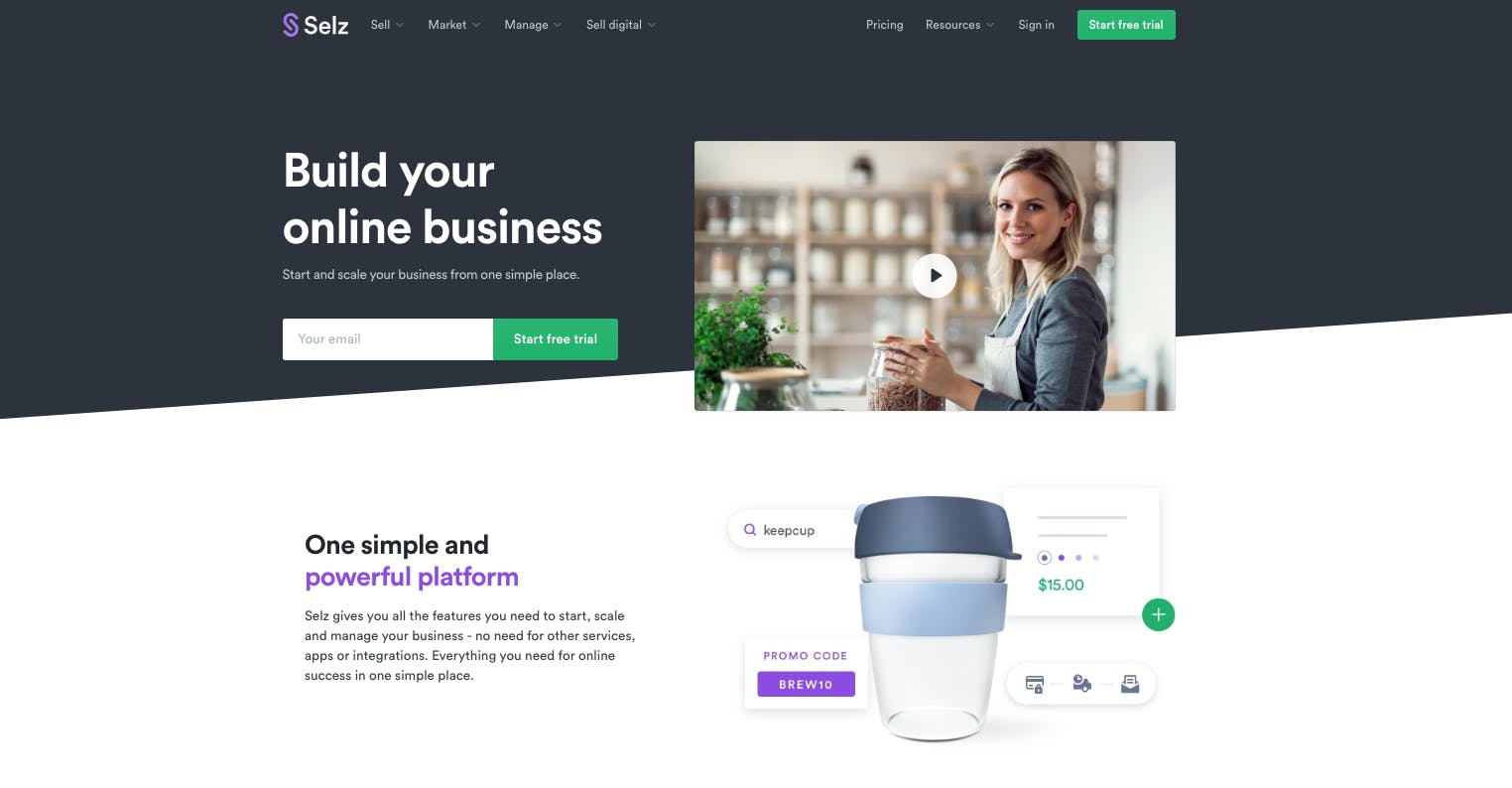
5. Selz:

Selz - Get to know Selz | Zapier

This platform is ideal for creating custom stores where you can sell both physical and digital products. Whether you want to sell digital files like videos or physical assets like clothes, you can use this platform. The popular feature of the platform is that it automates product delivery. When selling digital products, you can give streaming, downloading options to buyers; other features include:

  • Hassle-free inventory management and shipping
  • Comes with intelligent marketing tools
  • Offers digital download management
  • Video and software support
  • Provides staff accounts for multiple users
  • Integration with existing websites
  • Business insights and analytics

6. Shopify:

It’s a one-stop online marketplace for both digital and physical products. In Shopify, like Amazon, users can create an online store to sell their products, customize their options, and incorporate a directory for plug-ins. Some of the features of Shopify for digital sellers include:

Comes with endless free and premium themes

  • Custom editing for web pages
  • Mobile customer support
  • Unlimited bandwidth and hosting
  • Unlimited checkout and payment tools
  • Abandoned cart recovery

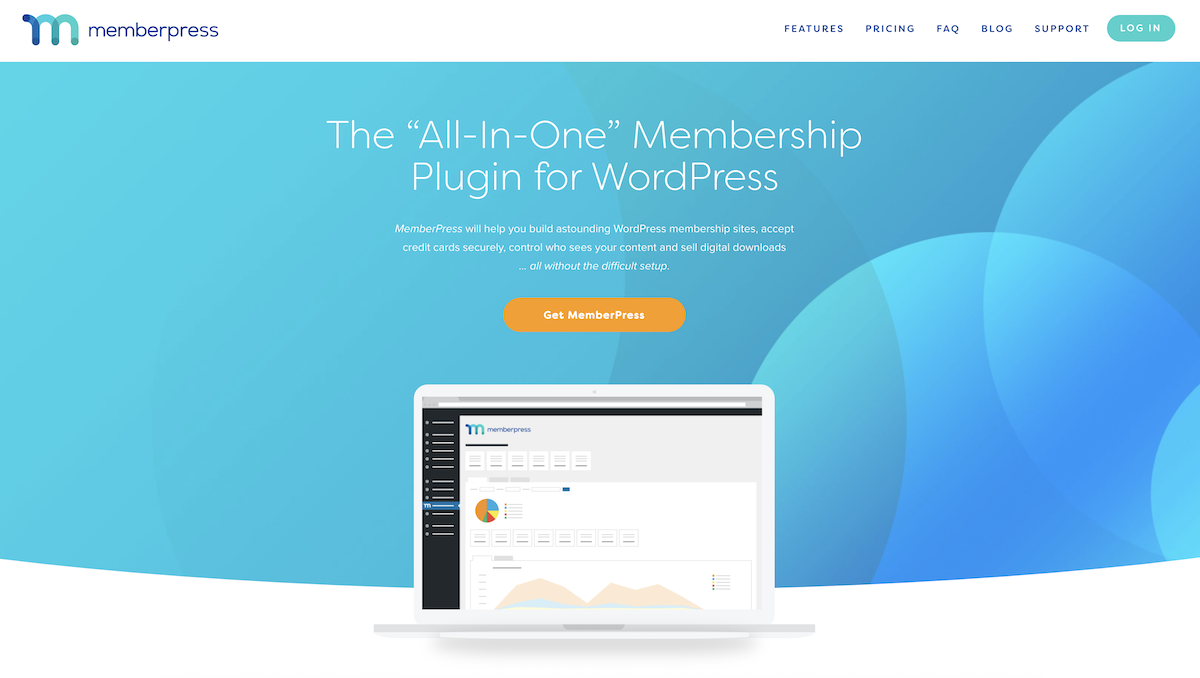
7. MemberPress:

Memberpress Review (September 2020 ) Pros And Cons!

Amazed to see this platform on the list? This platform is a little different from the rest of the platforms we have discusses so far. It’s a plugin for WordPress, allowing you to extend your WordPress site’s functionality to include membership support. With the platform, you can instantly change your user’s access to certain goods with subscriptions and VIP accounts. It also integrates with WooCommerce, so you can enhance the features of your online store without the need to use an external system. Some attractive feature of the platform include

  • It’s powerful and easy to use
  • Membership subscription tracking
  • Comes with an in-depth integration options
  • Works seamlessly with WordPress and WooCommerce
  • Multiple membership options to choose from

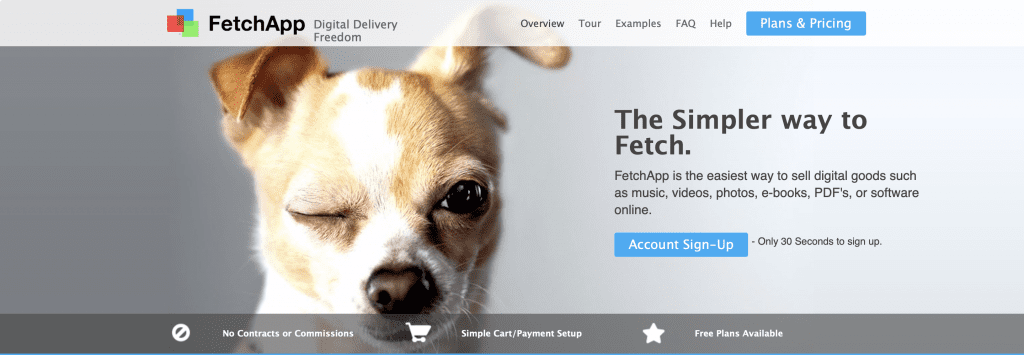
8. FetchApp:

FetchApp: Digital Downloads Made Easy? | Elegant Themes Blog

The platform depends on digital downloads and helps you deliver videos, music, photos, eBooks, and even custom software to your target audience. With FetchApp, it becomes easy to sell content that you create from a social network, blog, website, and even an ecommerce platform. It comes with an option to accept payments via a range of tools like Shopify, PayPal, etc. The app sends a secure download link to your customers whenever a payment is received. The features of the app include:

  • Comes with automated download and order fulfillment
  • Accept payment through a range of services
  • It includes hosting
  • Reopen and re-send orders at any time
  • Unlimited downloads and order fulfilment

9. BigCommerce:

It’s one of the most important ecommerce platforms on the web today. The platform’s best feature is that it gives you more tools you need to keep your business running. The platform allows you to track revenue from your digital sales using real-time analytics and reports.  It comes with in-built features than any other leading platform. The key features of the platform are:

  • Customizable website developer
  • Flexible and scalable design
  • Support for brick-and-mortar stores
  • Secure SSL built-in
  • Support for multi-channel selling
  • Offer strong SEO performance.

Well, there are plenty of fish in the sea; you only need to determine your need and then select the ecommerce platforms that will support your digital products. Many tools operate for free, while others involve specific fees. Compare each of these platforms and select the one that works best for your digital product.

The Rise of Augmented Reality and Its Impact on SEO


When you hear the term augmented reality, your mind plays flashes of science fiction films where technology brings out real-life experience on screen. But, at present, AR is not only limited to movies; the way it blends’s in our daily life is just incredible. AR provides you with visual information layered on the physical world. The new-age technology uses a live picture and aligns it with the user’s real-world environment, resulting in an excellent virtual experience. AR has changed the game altogether for business houses, especially for firms offering SEO (search engine optimization services).

AR is the new buzzword and has plenty of features in store for SEO specialists. We can say without any doubt that augmented reality and SEO eventually go hand in hand. AR can add value, enhance user experience and solve problems online. Hence there is a dire need for firms to include AR in their marketing campaigns. But, before we talk about the impact of AR on SEO, let’s delve into some technical details.

What Exactly is AR, and How is it Related to SEO?

Have you ever tried your hand at Pokemon Go or applied filter to your face on Snapchat? If so, without knowing you have had the first-hand experience with augmented reality. However, there is much more in store for you. AR deals with using computer-generated images and putting it into the real world via the camera on a smartphone, tablet or any other digital device.

While most of the applications of AR deal with the world of gaming, we are now moving towards other applications that influence user reviews, find information about a place. AR will also change how customers shop ad work online. What does this mean? This means there is a great potential for business to up their SEO game by making use of game-changing technology.

We know all major search engines like Google, Bing, and Yahoo use the primary search results technique. With the boom of AR, websites with AR-based content will rank higher in SERP via visual search. It’s just a matter of time when everything from digital content and activity to offline advertising, physical locations, product images will be searched through AR. There is a dire need for organic search professionals to include augmented reality technology into their marketing strategies.

Augmented Reality

5 Ways Augmented Reality Impacts SEO

 1. Growth of Local SEO:

For small businesses, local SEO is the point of focus. But, AR reality has made it more critical than ever. AR applications give a boost to local SEO by making it easy to use mobile devices to gain information about the surroundings. Now, using your phone camera, you can scan business around and acquire information about products, services, ratings, reviews and business operating hours. To stay at the top of local SEO, first firms have to maintain and optimize Google My Business Listing. You have to include full information on your GMB so that people using AR can reap the benefits. Use strong citations, reviews and ratings and build a directory of reviews that will appear when using AR.

2. Social Media:

AR can give a boost to your brand’s performances on popular social media accounts. By utilizing AR within your social media is a way to improve user engagement. You can use 360-degree images that use AR, Snapchat filters, Lens studio to entice your target audience. According to a study conducted, 74% of users within the age group of 12-24 use Facebook, and 57% use Snapchat. So, you can use AR to improve brand engagement and create a buzz for your brand on online platforms.

3. Make the Website More Interactive:

Social media is great for building and engaging the audience. But, for higher conversions, you have to make your website more interactive. You must offer interactive elements on your website that can be brought to life by using a camera. Just imagine AR on your webpage. Scanning it with your phone cameras and watching the webpage come to life.

Wow, can be the only way to express your feelings. Although this idea is still in its initial stages, it has great SEO potential. The motive of the technology is to bring user engagement, and this is what AR does. With this feature, there will be a decrease in bounce rate, increase in session rate two factors that affect your web page rank.

4. User-generated Content:

When it comes to optimizing content, storytelling can play the role perfectly. People like the idea of becoming a part of the story when it comes to business engagement. It delivers a way to impress potential consumers through entertainment and information sharing. And, AR is going to amplify this experience, making customers feel like they are inside the story. What if you want to acquire information about the statue of liberty? With AR, you can see the live representation of the monument while being able to walk around the statue, see it from various angles. All this while text will appear on the screen where you aim the camera. This is how AR helps in creating creative content.

5. More Informed Purchases:

AR should be a part of your website, app or in-store application to simplify the shopping process for customers. Through AR, customers can try outfits, see how good they look, try out a different hairstyle or a pair of glasses. This feature makes it easy for customers to complete their purchase leading to fewer abandon carts. AR-based services enhance customer experience giving you a great selling point over competitors.

Augmented reality is constantly moving and has a bright future for SEO. With the above points, marketers will get an idea of how AR is going to change the world of SEO. Local SEO will be the key focus as the AR features for boosting local SEO are enormous.

Top 5 Futuristic iOS Application Development Trends in 2020

Technology never fails to amaze us. With time technology brings something new, which opens doors of opportunity for businesses. In today’s tech world, one thing is certain; if you capitalize on the tech opportunity, you will come victorious in the fierce competition. Today in this blog, we are going to talk about one such technology that has changed the way users interact with their smartphones.

By now you would have guessed it that we are talking about mobile app technology. And, it’s impossible not to include iOS mobile development trends when we talk about the latest game-changing mobile app development trends. Going by the statistics, iOS apps will hit the 2 million mark soon, so it’s essential for the development community to stay up to date with the latest iOS application development trends. There are approximately 4 million apps for users. From the developer’s point of view, the more the apps, the more essential it’s to keep a tab on the latest happenings.

The future of iOS app development is right here!

What the future holds for iOS app development? What are the crucial iOS development trends? We will answer all your questions right here, right now! We can say it with 100% conviction that iOS is the platform of the future. In 2008 when the Apple store was first launched, there were only 500 apps. A decade later, 20 million app developers were registered on the platform, catering to 500 million weekly visitors. Impressive, isn’t it? And, what’s more, impressive is that the number is going to increase further in 2020.

Do you know iOS apps have surpassed the 2 million mark, making it the leading mobile development platform along with Android? This means there a great opportunity for developers to boost their business by keeping a close eye on the latest iOS app development trends.

Here are some of the iOS app development trends that will take the tech world by storm.

• Swift 5 programming language:

Recently, Apple launched its Swift 5 programming language, which comes with a stable application binary interface and binary compatibility. Now, the company is looking for a means to integrate this new language into their business. The mobile company will integrate Swift libraries with the present and future versions of macOS, iO, wearable OS, and TVOS. This means mobile application developers will no longer have to include these libraries, and application will become easy to build. The new software is compatible with Linux. Hence developers can easily upgrade their knowledge base for new Swift 5 while developing apps.

• Wearables and IoT:

Thanks to IoT, users can connect digital, mechanical, and computing devices to exchange and transfer data. According to a recent study by the end of 2020, there will be around 31 billion interconnected devices. iOS app developers can harness this technology to build apps that will attract new audiences and retain existing ones. iOS apps powered by IoT will help users to connect bands, wristwatches, and other wearable’s to smartphones. By integrating iOS apps with IoT technology, developers allow users to control anything remotely by using the apps.

• Apple HomeKit:

With Apple HomeKit, users can communicate as well as control the connected devices and accessories in the home while using the apps. With the HomeKit, users control the connected devices and get the option to create a group to trigger Siri’s voice command. Developers can create smart home products that they can integrate into such devices. Apple HomeKit will bring revolutionary changes in home automation, and the elements of IoT will grow simultaneously with these innovations.

• Improvements in-app security:

One trend that developers must watch out for is the improved app security. To maintain the privacy of users, it’s essential to stay upto date with the security measures. Customers prefer Apple because of its high-security policies. Hence, security is the first thing to look out for in iOS app development. iOS apps should protect user data without compromising the performance. To improve security, developers can add App Transport Security for every app they build. Developers and designers must include more security features in the beginning phases of the app development process.

• Transformation through AR and VR:

One IoT mobile app development trend that reflects the power of innovation and technology is AR and VR. Many eCommerce giants like IKEA, Gap, and others have already used AR and VR in their iOS applications to boost their sales. By 2020, AR and VR based ideas will be fully functional in iOS applications. By utilizing new technology, developers can build real-time applications to increase user experience and build a strong connection with customers. All this has been possible because of ArKit by Apple, which helps build standalone AR integrated iOS applications. Examples of iOS AR-VR based applications are Dance Reality and Houzz.

In the end, we can say king is the one who utilizes these trends on time. With these trends, one thing is sure that there will be fierce competition amongst developers. By integrating your application with the new trends, you will get the upper hand over competitors.

Mobile APP Acquisitions: Take on 5 Ways of Attracting New Users

Have you created an excellent mobile app, but are still not getting those satisfactory sales conversions? Have you ever wondered what the reason might be? Without any doubt, it’s the visibility of your mobile apps. What’s the point of spending your precious time on creating a mobile app when customers are not aware of it? But the question is how you can stand out from the crowd of millions of app users and developers. Acquiring new customers when most smartphone users don’t download any app in a month is a tough nut to crack.

Trust us when it comes to mobile user acquisition; there is only one certain thing. And that’s you have more than one way to strike gold. The old saying” if you build it, they will come” does not always hold true in the mobile app market. Mobile app developers spend considerable money creating apps only to see their dreams crash when customers pay no heed to their newly developed apps.

Do you know that more than one-third of all the retail website traffic comes from mobile devices? This means businesses can create an accessible mobile platform for customers on the go. Since 35,000 new apps are introduced on Android devices every month, marketing your latest app to reach the right people can be challenging and daunting. With over 8 million apps in the Google Play Store and Apple App Store, acquiring new customers will become harder. Businesses need to generate revenue and market their app. Firms need to establish a personalized user acquisition strategy to acquire new customers. So, without further delay, let’s talk about effective ways to acquire new customers.

5 Mobile App User Acquisition Channels You Must Know About

• Paid advertising: Want to draw more eyes to your newly developed mobile app? If so, take leverage of paid advertising as an effective user acquisition channel. In paid advertising, social media platforms will display your app’s advertisement to users. You have the freedom to select your target group of audience and set the visibility of your ads to target a broad category of audience. You also have the option to add actions to the ads to direct them to the landing page and give users an option to download.

• Influencer marketing: At present, social media platforms provide a great opportunity for app developers to boost their app downloads. Also, there has been a rise in the number of influencers who run paid user acquisition campaigns. If you can create a larger influencer follower base, it will be better for your mobile app. Well-known influencers have followers across different social media platforms like Instagram and YouTube. Their followers can drive a diverse set of audiences to your app. Recommendations from famous influencers will motivate people to explore your product/service application and even download and use it. According to a recent study, 89% of marketers believe that influencer user acquisition can generate more ROI than any other marketing platform.

• Email marketing: Yes, you heard it right. Email marketing can generate massive traffic to your mobile app. Do you know that 70% of emails are opened on mobile? Here lies the opportunity for firms to drive more users to your mobile app. Let’s look at the potential of email marketing as a mobile app acquisition strategy.

1. Direct users to your store page or information content present in your mobile app.

2. Inform users whenever there is an update and send users targeted messages.

3. Take feedback from users, which will help in improving your app.

Note: When you send emails to target customers, insert deep links in it. According to a recent study, $3,000 in revenue is lost for every 1 million emails sent if they don’t contain deep links.

• App store optimization: Without any doubt, an app store is the one essential driver of app discovery. App store optimization is an essential user acquisition strategy that will help you gain more customers. App store optimization (ASO) is no rocket science. It’s the practice of attracting users to download an app based on title, keywords, ratings, and other ranking factors. If done right, ASO can help generate high-quality traffic to your app. In app store optimization, you have to focus on three things: page elements, localizing app store pages, and optimizing search discoverability and conversions.

• Video marketing: Interactive videos can drive more users to your app. A simple 30-second video of your app can do wonders for your business. YouTube plays an essential role in targeting the majority of the crowd. In addition to YouTube, you can use other video streaming platforms to reach a diverse audience. You can also reward users on the gaming app for watching an entire ad.

Use the channels above to put your mobile app in front of the masses. Mobile user acquisition is a tough task, but with dedication and continuous efforts, you will reach your goals.

Role of Data Science in Understanding the COVID-19 Crisis!

As the world is fighting its worst battle, data scientists work their fingers to the bone to understand the science behind COVID-19. In this technological era, data science can play an essential role in preventing the onset of pandemics. Data scientists can use their skills and give their best shot to develop technology to deal with the crisis. Data science is the bright light in the dark, which helps educate and empower those on the ground about the situations and help reduce the impact of COVID-19.

Epidemics and pandemics have threatened the human race in the past as well. But, with each outbreak, we learn new ways of fighting and managing the unknown diseases that can eradicate the human race. And, all this is possible because of technology and data science. With the rise in COVID-19 cases, people are feeling helpless and scared and look up to technology for some respite. Data science provides glimmers of hope to people to deal with the unknown virus.

At present, the field of data science is gaining a lot of attention from across the globe. People at the helm of affairs have realized its potential in dealing with the current crisis. Data science, AI, and machine learning communities publish data that are of immense help to front line doctors. In this blog, we will talk about how data science offers a modern approach to combat the COVID-19 crisis faced but the entire human race.
Data Science and COVID-19 pandemic

When we hear the word medical emergency, the only thing that comes into mind is the health care professionals. How can data scientists a white-collar job, working from the comforts of their home, repair the unprecedented loss of a human tribe? To answer this question, we first have to understand how data scientists work. Data scientists use available genomic data to understand the reactions of various kinds of drugs and their effect on the deadly disease. From giving accurate information to increasing transparency by sharing data, data science can contribute a lot amidst the current situation. Here we have enlisted some essential facts about how data science can help during COVID-19 pandemic.


Gives an accurate picture of coronavirus outcome:

In the fight against COVID-19, front line workers and doctors rely on the correct and up-to-date information. This is where data science comes to the rescue. Many IT firms, including IBM and Tableau and organizations like Johns Hopkins University, have created an interactive database that offers a real-time view of what’s happening with the virus. Any misinformation about the number of fatalities, diagnosis, and treatment options can make the situation worse and create panic amongst the general public. The result of this information can be more fatal than the virus itself. Widespread chaos, panic buying, hoarding of essential commodities are some of the outcomes of the spread of incorrect information. To overcome such situations, organizations like Google, Facebook, and YouTube work tirelessly to provide the right information to people. Correct information creates a transparent scenario informing people about the proper steps to follow to prevent the spread of the virus. Data scientists help in creating a database about the number of confirmed cases, fatalities, and recoveries.

Data science helps in contact tracing:

Contact tracing plays an essential role in reducing the spread of COVID-19. In contact tracing, we get in touch with individuals who have tested positive for the virus and ask them to self-isolate. Contact tracing can time-consuming; this is where data scientists can help front line doctors. Data scientists help in creating mobile phone-based solutions to overcome the less efficient traditional methods of contact tracing. In such situations, mobile-based IT solutions can be a real savior. Given the market penetration of phones and the extensive usage, using mobile-based solutions for contact tracing makes more sense.

Contribute in search of drugs:

In the morning, when waking up, the first thing we do is look at the news in the hope of a vaccine. While the world is in desperate need of a vaccine, it may take time for doctors to come up with a magic formula. To speed up the process, technology plays an essential. Data scientists suggest components of a vaccine by understanding the viral protein structures. Scientists have created AI tools, shared data sets, and research results to support vaccines’ search.

Track people with facial recognition:

In the present pandemic, big data analytics can help identify infected individuals. Facial recognition technology, along with data, can accurately identify people even if they are wearing masks. Facial recognition technology helps in monitoring movement and keeps track of people even when they are quarantined. Big data also helps in keeping a tab on people and determine if they come into contact with an infected person.

 You can play a part in fighting coronavirus:

Many developers have created an app that makes use of data sharing to support medical experts in learning more about the virus. People can contribute their bit by adding their data in the app, like their age, postal code, plus disclose their pre-existing condition. This information will help medical professionals in determining groups that are most affected or at risk.

Data scientists play an essential role in learning more about the virus and contribute towards a safer and better world.

Impact of Coronavirus Outbreak on On-Demand App Industry

Is your on-demand business ready for the increase in demand due to the spread of COVID-19? If not, fret not, we are going to help you out.

Well, whether we like it or not, coronavirus is on the rise! The COVID-19 outbreak has caused chaos in not only people’s lives but bought the global economy to a standstill. With billions forced to stay indoors due to the pandemic, the demand for essential services has skyrocketed. There is an acute need for essential services to meet the daily needs amid the lockdown. This is where on-demand services come in the picture. With the rise in coronavirus cases, the global economy has faced an abrupt downfall. It’s not a theory but a reality that because of the virus, countries will face the biggest jolt on their economy. Due to this sheer panic and distress, companies are experiencing massive losses and debt.

However, being said that, there are specific industries that are enjoying a significant gain in revenue and profit, which they only dreamt of in the past. Yes, we are talking about the on-demand app industry. But, before we talk about the impact of the pandemic on the on-demand industry, first, we should get our basics right.

Do you know about on-demand apps? Let’s find out!

In layman’s terms, on-demand apps refer to the mobility solutions that allow customers to acquire services that, too, in real-time or at their doorstep. These services include on-demand food delivery, on-demand beauty services, on-demand ATM services, and more. The on-demand apps come with a list of technical features that make real-time delivery possible. These features include tracking, creating a wish list, a suitable payment service, multiple bookings, ability to give reviews. With these features, the on-demand industry has made a significant difference in the market today amid the pandemic. And, going by the stats, the market growth of the on-demand apps will be higher than expected.

Keys in the hands of coronavirus tighten the locks on doors. With the strict government regulations and social distancing being followed everywhere, there has been a sudden surge in demand for on-demand services. Modern technology has made it easy for businesses to come up with an innovative solution to meet the growing demands of people. With the use of smartphones, companies have made it easy for customers to purchase the daily need products in the comfort of their homes. From food delivery to ecommerce and healthcare to home services, everything is now accessible to customers on a single click of a button.

How are on-demand apps rising?

Amidst the COVID-19 outbreak, people are looking for ways to live their life peacefully and stay away from the deadly virus as far as possible. And, this is what on-demand apps have been focusing on for a long time. So, without any delay, let’s explore why on-demand apps are increasing.

• Social distancing and lockdown: People are in a desperate need of vaccine to protect themselves from the deadly virus. While it may take time for scientists across the globe to come up with a magic formula, till then, social distancing is the way to go. Because of social distancing, people don’t prefer to come out of their houses. This leads to an increase in the use of on-demand services to meet daily home needs. Pandemic has changed the way of life, and these apps are here to make the new era hassle-free for customers.

• Contactless delivery: As advocated by WHO, people have to avoid contact with others. And, this is what on-demand apps focus on. The apps have multiple payment options making it easy for people to choose their desired mode of payment. And, with the virtual payment method, customers can purchase their favorite products without coming in contact with the delivery agent.

• Quick service: Trust us; on-demand apps are capable of delivering services to customers quickly as compared to conventional methods. It’s the instant gratification and trust, which has led to the popularity of these apps. They serve the basic needs of people which can’t be compromised at any cost.

• Increase in revenue: Without any exaggeration, on-demand apps have taken a boom amidst the pandemic. People prefer to buy products from such apps as compared to stand-alone shops. The greater the demand, the higher will be the revenue for business owners. So, on-demand apps create a win-win situation for customers and businesses alike. People are happy with the real-time service of products, and business owners are content with the increase in revenue.

• Rise of multi-niche delivery apps: This pandemic has resulted in the rise of on-demand multi niche delivery apps. With these apps, now, customers can order food and do grocery shopping at the same time with the same app. Exciting, isn’t it! These apps provide more control to users over their orders. Some examples of on-demand multi niche apps include:

1. Food delivery
2. Grocery delivery
3. Medicine delivery
4. Essential products delivery

In the end, we hope the world comes to terms with the new normal. And, on-demand apps play a crucial role in adjusting with the new way of life. As a business owner, you must take the opportunity and make use of the technology to contribute your bit amidst the COVID-19 outbreak.

6 Effective Ways to Boost Your SEO with Google Podcasts

Flashback to 2019, when Google CEO Sundar Pichai made the big announcement that Google would add podcasts to search results. Since then, digital marketers, SEO professionals, and content creators have been looking for ways to brush up on their technical skills and make effective use of the new technology. However, there are many people out there who have no idea of what Google podcasts are and how they help in enhancing search engine results. And, the sad part is, many of them have been a part of the digital community for a long time.

When you think of SEO, what are the things that come to mind? Keywords, how to target them, or strong content strategies. People don’t associate podcasts with search engine optimization, which is why they miss out on key growth opportunities. Trust us, including podcasts in your marketing strategy is an excellent way of boosting your ranking authority with Google. Since mid-2019, Google has been scanning audio files, creating a favorable environment for podcasts and content marketing.

Podcasting and SEO, is there a relation between the two terms? Let’s find out!

Podcasts offer excellent opportunities not only to producers and consumers but also to advertisers and SEO experts. You can either include your advertisement in somebody else’s podcast or create your own from scratch. Now sit back and see the perfect blend of textual and audio content as it will help in increasing website traffic and bring you soaring profit. By adding podcasts to search results, firms can tackle the notorious discoverability problem. If you want to share your expertise with the target audience, make use of podcasts. It also provides an opportunity to create a new page on the website where you can discuss your content and podcasts with the target audience.

When it comes to SEO content marketing, podcasts can be of great help. You can promote your podcast via email, encouraging listeners to subscribe to your newsletter. Well, you can also use social media platforms like Instagram to create a unique cover for your podcasts. By doing so, you will be able to establish a positive relationship with your audience and ultimately boost your brand awareness. Do you know if podcasts allow you to collaborate with leading distribution and hosting networks? That said, does this feature offer any opportunities for SEO marketers? Well, the answer is crystal clear. By collaborating with hosting networks, people will find your content even if they are not aware of your brand. According to experts, it’s advisable to always choose reliable podcasts to transfer data without any hassles.

What are the SEO benefits of podcasting? How does it help boost your SEO?

Natural backlinks: Yes, you heard it right! Podcasts offer an effective way to get the most natural backlinks for your website. We will explain this a little further. Let’s say you are a guest on someone else’s podcast: the host will include show notes that help the audience read a quick summary of who you are, along with a transcript of the episode. Also, hosts include links to your website, social media profiles, or exclusive offers. In this way, your website gets natural backlinks.

Effective optimization: In simple terms, podcasts are nothing but audio blogs. And, this means podcasts can be optimized just like other blogs. For better content optimization, you can use targeted keywords when creating meta titles and meta descriptions. Another trick to encourage the audience to click and listen to a new episode is to add relevant text and optimize images. This means you can use a perfect blend of podcasts and traditional blogs and have the freedom to focus on podcasts only whenever you want.

Affordable: Many people mistakenly think podcasts are expensive. But, this is the opposite of the truth. Podcasts are one of the cheapest marketing methods you can imagine. According to recent stats, if you have at least a 1% customer conversion rate, podcasts will cover all your production costs. The best thing is, podcasting has a much higher conversion rate, which means it is worth all your efforts.

No expiration date: Trust us, podcasts don’t have one. Even if you post new videos regularly, the old ones continue to attract customers’ attention. Also, to create effective podcasts, consider not only who it’s for but also how your audience will use it and how it will fit into their lives.

Regular content updates: By regularly updating your website’s content, you can secure a high position in the SERP. The more relevant your content, the higher your podcast will rank on Google. By doing so, you will give your audience a reason to come back. You can post transcripts and show notes of your podcast. Also, add a blog to your podcast that contains headings with your targeted keywords and recaps of your latest episode.

Use authoritative websites: Search engines love content with inbound links, especially from high-ranking sites. Create a list of reputable sites that will feature your episode and add a podcast description. By doing so, you will get more traffic to your podcast, and, in turn, the podcast will drive traffic to your website.

Although creating effective podcasts involves a lot of hard work and determination, but the plethora of benefits it has for your SEO will take you by surprise. So, it’s time to make use of Google podcasts to boost the visibility of your brand.