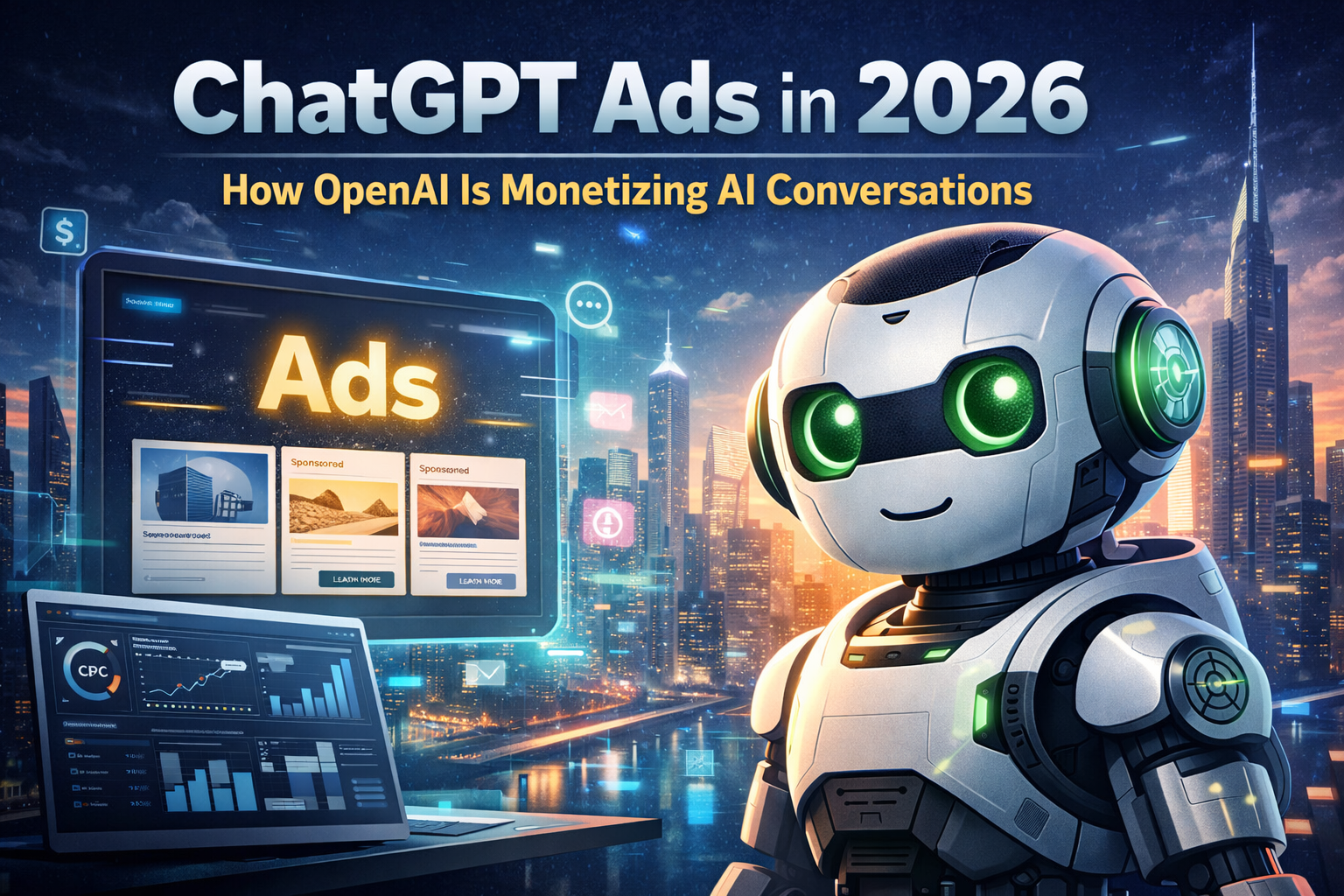
ChatGPT Ads Explained: How OpenAI Is Monetizing AI Conversations in 2026

For years, ChatGPT operated without advertising. Its monetization model relied primarily on subscriptions and enterprise licensing. That changed in 2026. Advertising is now part of ChatGPT’s ecosystem, not as a disruptive banner system, but as a carefully structured revenue layer designed to preserve trust while expanding access.

The introduction of ChatGPT ads represents more than a new placement option for marketers. It signals a structural shift in how AI platforms sustain themselves financially and how brands participate in conversational discovery environments. This article explains what ChatGPT ads actually are, whether they are permanent, how they function technically, how advertisers can access them, and what this means for digital strategy moving forward.

Why OpenAI Introduced Ads in 2026

Large-scale AI systems are computationally intensive. Every user query requires inference processing across advanced language models running on GPU infrastructure. As adoption scaled globally, the cost of maintaining free access grew substantially. Subscription plans such as Plus and Enterprise generate meaningful revenue, but they do not cover the full cost of operating a globally accessible AI system at scale. Advertising introduces a diversified revenue stream that subsidizes free-tier usage while preserving premium ad-free experiences for higher-tier subscribers.

The monetization strategy follows a familiar digital pattern: free access supported by ads, premium tiers without ads. However, implementing this model within a conversational or generative AI environment poses challenges that traditional platforms do not face, primarily regarding trust, neutrality, and privacy. OpenAI’s stated approach has been cautious. Ads must not alter the integrity of answers. They must be clearly labeled. They must respect user privacy. And they must avoid sensitive conversational categories.

Will ChatGPT Have Ads Long Term?

As of 2026, ads appear for Free and certain lower-tier subscription users. Paid tiers such as Plus, Pro, and Enterprise remain ad-free. This tiered deployment strongly suggests that advertising is not a temporary experiment but an integrated component of the long-term model.

However, it is equally clear that OpenAI does not intend to embed advertising inside the AI’s reasoning layer. Ads will not influence the generation of answers. Instead, they will appear as separate sponsored placements within the interface.

The structural separation between answer generation and ad placement is essential. If that boundary erodes, trust in AI systems would decline rapidly. Maintaining this separation appears to be a core principle guiding the rollout.

What ChatGPT Ads Actually Look Like

ChatGPT ads are not injected into the response text. They do not appear as recommended phrases within the AI’s generated answer. Instead, they are displayed in clearly marked sponsored sections adjacent to or below responses. The format resembles contextual recommendation cards rather than traditional banner ads. They may include a brand name, a short description, and a link. The placement is designed to align with conversational context without blending into the AI’s voice.

For example, if a user engages in a multi-step discussion about selecting CRM software for a mid-sized company, a sponsored CRM platform may appear in a separate labeled section. The AI’s recommendation itself is not paid. The sponsored placement is visually and structurally distinct. This is a critical distinction from search advertising, where paid listings often appear directly above organic results and compete for the same visual space.

How ChatGPT Ads Are Targeted

OpenAI has not publicly released a detailed technical specification explaining the exact targeting logic behind ChatGPT ads. However, based on official statements and early rollout observations, ads appear to be matched to conversation themes rather than triggered by traditional keyword bidding.

Unlike search advertising, where advertisers bid on specific queries, ChatGPT operates in multi-turn conversations. Reports and early interface testing suggest that sponsored placements are shown in relation to the broader topic being discussed within a session, not a single typed phrase.

OpenAI has emphasized that conversation data is not directly shared with advertisers. Instead, ad delivery is handled within the platform’s internal systems, with privacy controls available to users. Sensitive categories are restricted, and ads are displayed separately from generated responses to preserve answer neutrality.

Because OpenAI has not yet published a formal advertiser-facing targeting framework, the full mechanics of how ads are ranked, selected, or rotated remain proprietary. What is clear is that ChatGPT advertising is being introduced cautiously, with visible labeling and structural separation from AI-generated content.

How to Run Ads on ChatGPT in 2026 (Current Status)

As of 2026, ChatGPT advertising is not yet a fully open, self-serve ad platform comparable to Google Ads or Meta Ads. Instead, it is in a structured rollout phase.

OpenAI has publicly indicated that advertising is part of its long-term monetization strategy, and industry reports have noted integrations with select programmatic advertising partners. However, broad public access to a direct “ChatGPT Ads Manager” interface does not currently exist.

At present, advertising inventory within ChatGPT appears to be:

  • Rolled out in controlled phases
  • Available primarily through select programmatic partnerships
  • Structured within curated contextual environments
  • Limited by geography and subscription tier

This means brands cannot simply log into an OpenAI dashboard and launch ads independently. Instead, participation depends on evolving partnerships and approved advertising channels.

What This Means for Advertisers

Brands interested in early participation should:

  • Monitor official OpenAI announcements regarding ad platform expansion
  • Engage with enterprise-level programmatic partners that may gain access to conversational AI inventory
  • Prepare contextual-first creative strategies rather than keyword-only ad campaigns
  • Develop AI-compatible brand positioning that aligns with conversational discovery

The infrastructure is forming, but it is not yet as mature or publicly accessible as traditional search or social ad ecosystems.

Are ChatGPT Ads Aggressive?

Reports vary depending on user tier and region. Free-tier users may see more visible placements than paid subscribers. However, the ads are generally structured as contextual suggestions rather than intrusive overlays.

The design philosophy appears focused on maintaining user trust. Ads are clearly labeled and positioned to avoid interrupting the flow of conversation. Whether that balance holds as advertising demand increases remains to be seen.

The Strategic Impact on Digital Marketing

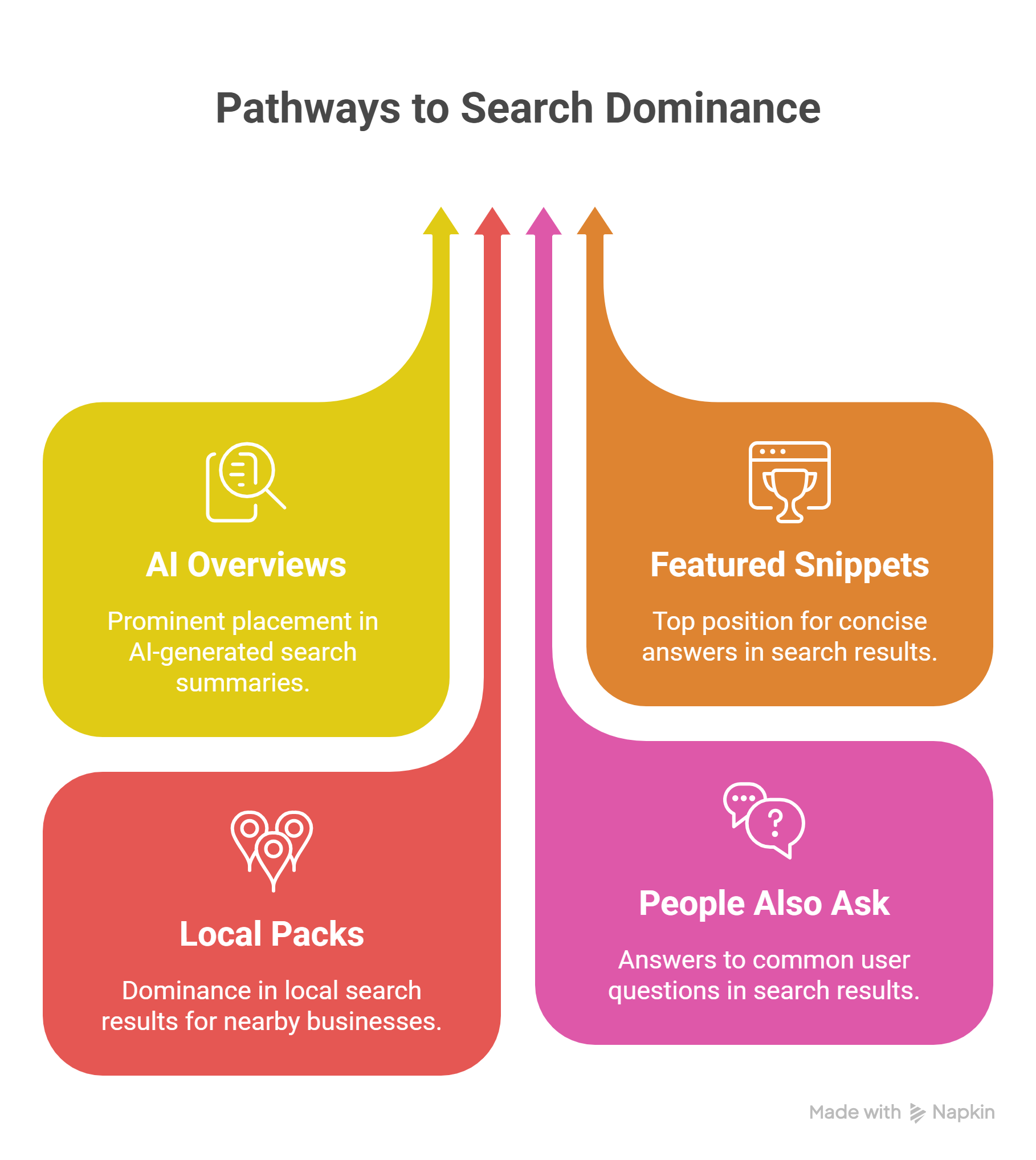
The deeper implication of ChatGPT ads lies in the behavioral change they drive. Consumers increasingly use AI systems for research, comparison, vendor evaluation, and solution exploration. This shifts early-stage decision-making into conversational environments. If high-intent research begins inside AI platforms rather than search engines, advertising strategies must evolve accordingly. Brands that dominate traditional SEO but ignore AI-driven discovery surfaces may lose visibility during critical consideration phases.

Conversational AI introduces a new layer of discovery. It is not replacing search; it is complementing it. The competitive landscape now includes paid conversational placements and organic AI visibility optimization through structured content strategies such as AEO (Answer Engine Optimization) and AI SEO.These approaches focus on building authoritative, extractable, and semantically clear content that AI systems can confidently reference when generating answers.

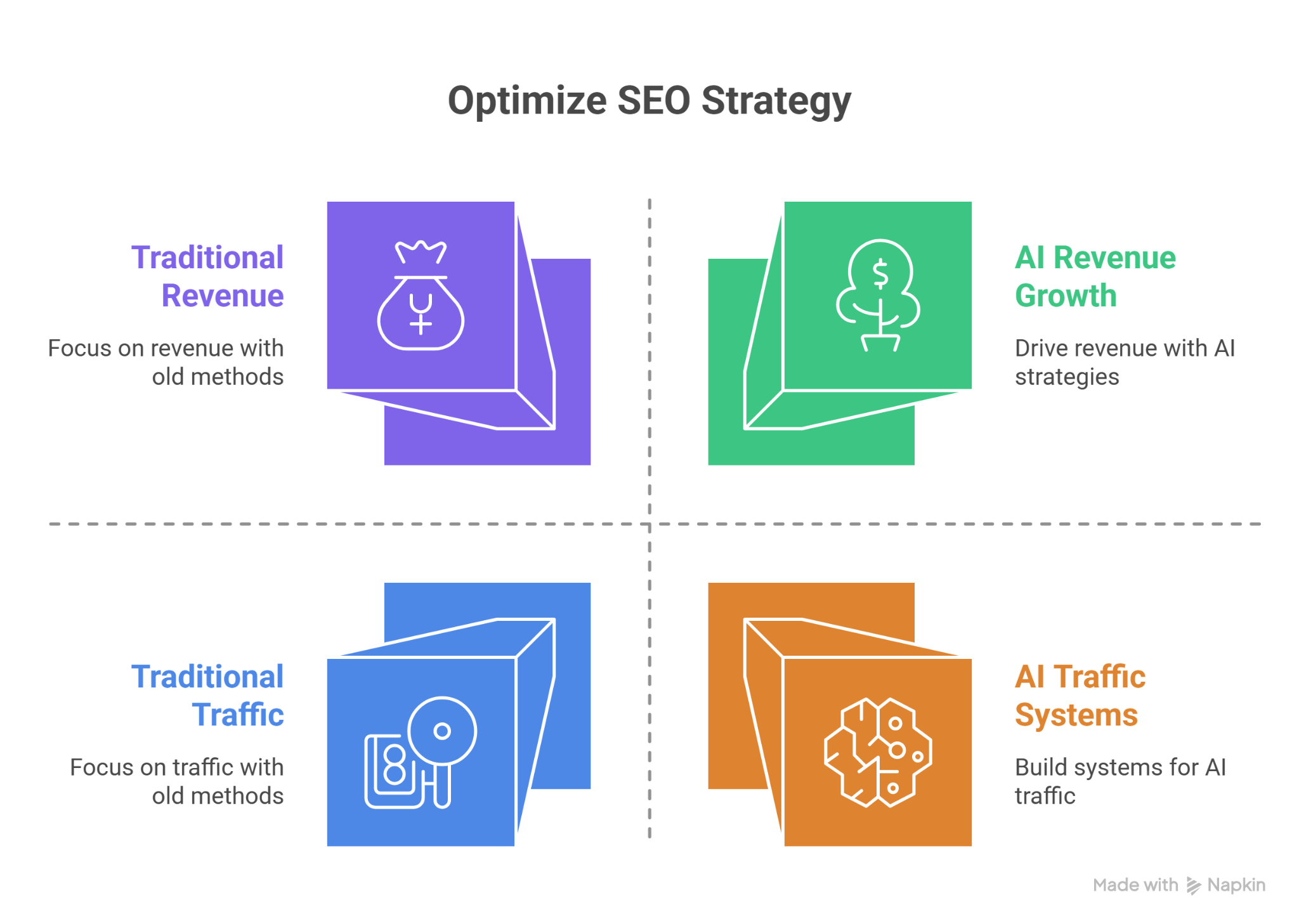
Marketers must therefore think in two parallel tracks. The first is paid presence through structured ChatGPT ads. The second is organic authority, achieved through AI SEO frameworks, topical depth, structured formatting, and trust signals that improve inclusion in AI-generated responses and systems such as Google AI Overviews. These are distinct strategies, but their outcomes are interconnected in the evolving conversational search ecosystem.

Paid Visibility vs Organic AI Ranking: The Emerging Dual Strategy in 2026

One critical dimension often overlooked in discussions about ChatGPT ads is the relationship between paid placements and organic AI visibility. In 2026, brands are not only asking how to run ads on ChatGPT, but also how to appear naturally within AI-generated answers. This mirrors what has happened with Google’s AI-powered summaries, commonly known as AI Overviews. Just as businesses now compete to be cited inside Google AI Overviews rather than only ranking in traditional blue links, brands are beginning to consider how conversational AI systems evaluate, reference, and surface authoritative sources.
Ranking in AI overviews and ChatGPT is not about keyword density but about structured clarity, topical authority, and trust signals.

Paid advertising may offer visibility within the interface, but it does not guarantee inclusion in AI-generated answers. That inclusion depends on content quality, domain credibility, semantic clarity, and the extent to which information is structured for extraction. In practical terms, this creates a dual-visibility model: sponsored exposure through emerging ChatGPT ads and organic discoverability through AI-optimized strategies. The brands that will win in this environment are not simply the highest bidders; they are the ones that build authoritative content ecosystems that AI systems can confidently reference. As conversational interfaces continue to reshape search behavior, understanding the distinction between paid conversational placements and organic AI citation becomes a strategic necessity rather than a technical detail.

The Risks OpenAI Must Manage

Advertising inside AI systems carries reputational risk. If users perceive that answers are influenced by advertisers, trust will erode quickly. If ads appear in sensitive conversations, backlash could follow.

OpenAI’s current framework attempts to mitigate these risks by restricting ads in sensitive categories, separating sponsored content from generated responses, and maintaining subscription-based ad-free tiers. The success of ChatGPT advertising will depend not only on revenue but on maintaining credibility in an environment where neutrality is paramount.

Where This Is Heading

If adoption continues, conversational advertising could become a defined category in digital media planning. Standardized measurement systems, AI-specific brand safety frameworks, and conversational attribution models are likely to develop over the next few years. ChatGPT ads are not simply another display inventory source. They represent an early phase of monetizing AI-mediated intent. The brands that understand this shift early will be better positioned as conversational interfaces continue integrating into daily digital behavior.

Advertising inside AI conversations is no longer hypothetical. It is operational, evolving, and strategically significant in 2026. And for businesses looking to adapt to both paid conversational placements and broader AI-driven visibility strategies, working with an AI-focused digital transformation partner like Deftsoft can provide the technical and strategic alignment required for this new landscape.

FAQs

1. Will ChatGPT have ads permanently?

Yes, ChatGPT includes ads for Free and select lower-tier users in 2026. However, paid plans such as Plus, Pro, and Enterprise remain ad-free. OpenAI uses advertising to support free access while preserving premium experiences.

2. What are ChatGPT ads?

ChatGPT ads are clearly labeled sponsored placements shown within the ChatGPT interface. They appear separately from AI-generated responses and do not influence the creation of answers.

3. How do ChatGPT ads work?

ChatGPT ads are triggered by conversational context rather than by keywords alone. The system analyzes the topic and intent of a conversation and displays relevant sponsored content in a separate section of the interface.

4. Do ChatGPT ads affect AI answers?

No. ChatGPT ads do not change or influence the AI’s generated responses. Sponsored content is displayed separately to maintain answer integrity and user trust.

5. How to run ads on ChatGPT in 2026?

Brands can run ads on ChatGPT through approved advertising partners integrated with OpenAI’s ecosystem. Campaigns are typically managed via programmatic platforms that offer contextual targeting based on conversational themes.

6. Are ChatGPT ads personalized?

ChatGPT ads may use contextual relevance and optional personalization settings. Users can manage ad preferences, and OpenAI states that conversation data is not directly shared with advertisers.

7. How are ChatGPT ads different from Google search ads?

ChatGPT ads are based on conversational context and multi-step dialogue rather than single keyword searches. Unlike search ads that appear above results, ChatGPT ads are displayed separately within the AI interface and are clearly labeled as sponsored content.

AI Agent vs Agentic AI: What’s the Difference and Why Does It Matter?

Artificial intelligence is no longer just a buzzword. It’s becoming a core part of how businesses work, how apps run, and how decisions are made, often without any human having to click a button. Two terms you’ll keep hearing are AI Agent and Agentic AI. People use them interchangeably, but they’re not quite the same thing. And when you’re evaluating AI solutions for your business, understanding that distinction isn’t just academic; it directly shapes how you invest, build, and scale. Let’s break it all down in plain language.

What Is an AI Agent?

Think of an AI agent as a smart helper with a specific job to do. You give it a task, it figures out how to complete it, and it gets it done, sometimes on its own, sometimes with a little guidance from a human in the loop.

An AI agent can perceive its environment (e.g., by reading data or listening to inputs), make decisions, and take actions to achieve a defined goal. It could be as simple as a chatbot answering customer questions, or as complex as a program that monitors your server, detects a problem, and fixes it — all without you lifting a finger. Traditional AI agents were largely rule-based and limited in scope. Modern versions are far more adaptive, using machine learning to handle nuance and variation in real-world conditions.

Key traits of an AI agent:

  • It has a clear goal or task.
  • It can take actions (click, write, send, analyze).
  • It reacts to changes in its environment.
  • It can work on its own within set boundaries.

What Is Agentic AI?

Agentic AI takes things a step further. Instead of being given a single task, this system can plan, make multi-step decisions, and even create subtasks on its own to achieve a much larger goal. It’s not just reacting, it’s reasoning, strategizing, and adapting.

Imagine asking an assistant not just to “send this email” but to “plan my entire product launch campaign, coordinate with the design team, set up the schedule, and send updates.” These systems can handle that kind of complex, open-ended goal. It breaks down the objective, decides what steps to take, uses available tools, adjusts when things go wrong, and keeps going through to completion.

What makes this approach particularly powerful is its operation at the systems level, often by orchestrating specialized agents working together toward a shared outcome. Rather than having a single system handle everything sequentially, it assigns roles, sequences actions, and manages information flow across the entire pipeline, making it fundamentally different from earlier rule-based systems.

Key traits of agentic AI:

  • It breaks big goals into smaller steps on its own.
  • It can use tools, browse the web, run code, and more.
  • It adapts its plan if something goes wrong.
  • It can manage long, multi-step tasks from start to finish.

AI Agent vs Agentic AI: The Simple Difference

AI AgentAgentic AI
ScopeHandles specific, defined tasksHandles broad, complex goals
Decision-makingFollows set rules or modelsPlans and decides dynamically
IndependenceWorks within boundariesHigh level of autonomy
ExampleCustomer support chatbotFull marketing campaign manager

In short, every agentic AI system uses AI agents, but not every AI agent is agentic. Think of AI agents as the building blocks, and agentic AI as the full construction.

The Evolution From Generative AI to AI Agents to Agentic AI

To understand where AI is heading, it helps to see the progression from generative AI to AI agents to agentic AI. This evolution is not just a series of upgrades; it represents a shift in how deeply artificial intelligence can participate in business operations.

Generative AI was the breakthrough that brought AI into the mainstream. Tools like ChatGPT and code assistants demonstrated that machines could create content, summarize information, and communicate with remarkable fluency. Yet generative AI remains fundamentally reactive. It responds to prompts but does not remember context beyond a session, initiate actions independently, or interact directly with external systems. It is powerful, but it still depends on human direction.

AI agents introduced a critical advancement: the ability to act. By combining language intelligence with tool usage, AI agents can access data, execute workflows, interact with software systems, and complete defined tasks. They move beyond generating responses to actually performing work.

Agentic AI extends this capability further. Instead of handling a single task, it interprets broader goals, breaks them into structured steps, coordinates multiple agents, monitors progress, and adapts dynamically when obstacles arise. In effect, it manages outcomes rather than isolated actions.

Together, generative AI, AI agents, and agentic AI form a layered progression, from creation to execution, to strategic orchestration, shaping the future of enterprise AI systems.

The Evolution from Traditional AI Agents to Agentic Systems

Traditional AI agents were largely deterministic; they followed predefined rules and responded predictably to specific inputs. Earlier systems could route a support ticket or check inventory, but they couldn’t plan a strategy or adapt mid-task.

Today, this shift in AI capability represents one of the most significant leaps in applied AI development. Instead of isolated tools, we now have interconnected systems capable of reasoning, storing memory, and making autonomous decisions. Integrating multiple AI agents into a single workflow enables these systems to tackle the complexity that once required large human teams.

For businesses evaluating AI solutions, this evolution is critical to understand. The question is no longer just “can AI automate this task?” but “can AI reason through this problem, adapt in real time, and deliver outcomes we can measure?”

AI Agents in Mobile App Development

Your mobile app is often the first thing a customer touches. Mobile App Development with AI agents can make that experience smarter, faster, and more personalized.

Here’s what AI agents can do inside mobile apps:

  • Personalized recommendations: Like how Netflix knows what you want to watch next. AI agents analyze user behavior and suggest content, products, or actions in real time.
  • In-app support: Instead of making users dig through FAQs, an AI agent can answer their questions right inside the app, in plain language.
  • Smart onboarding: AI agents can guide new users through an app step by step, adjusting the flow based on what that specific user is doing or struggling with.
  • Voice and gesture control: Agents can interpret voice commands or gestures to make apps more accessible and hands-free.
  • Predictive features: Like autofill, smart calendar scheduling, or alerting a user before they run out of something they order regularly.

AI Agents in Game Development

Games are one of the most exciting places to see AI agents in action. They’ve been part of gaming for a decade, but modern  game development with AI agents is on a whole different level.

  • Smarter NPCs (Non-Player Characters): Traditional game characters follow scripts. AI-powered NPCs can react to what you do, remember past interactions, and even develop their own “personalities” over time.
  • Dynamic difficulty adjustment: AI agents can observe how a player is performing and adjust the game’s challenge level in real time, keeping it fun — not too easy and not frustratingly hard.
  • Procedural content generation: AI agents can create new levels, maps, quests, or storylines on the fly, meaning no two playthroughs feel exactly the same.
  • Game testing and bug detection: AI agents can automatically play through thousands of scenarios, uncovering bugs and edge cases that human testers might miss.
  • Cheat detection: In multiplayer games, AI agents monitor player behavior patterns to detect cheating without slowing down the game.

For marketing teams evaluating AI solutions, the ROI case is often strongest here — the impact on revenue and retention is direct and measurable.

AI Agents in Digital Marketing

Marketing is all about sending the right message to the right person at the right time.  Digital Marketing AI agents are incredibly good at this, at scale.

  • Content personalization: Agents dynamically adjust what users see based on their profile, behavior, and intent, creating individually crafted experiences at scale.
  • Automated ad campaigns: Agents run, monitor, and adjust paid campaigns in real time, responding to performance data faster than any human team.
  • Lead scoring and nurturing: Agents rank leads by conversion likelihood and deliver personalized sequences at the right stage of the buyer journey.
  • Social media management: Agents schedule content, respond to comments, flag escalations, and draft posts based on trending topics.
  • Analytics and reporting: Agents pull data from multiple sources, identify patterns, and surface insights so teams can spend less time in dashboards.

For marketing teams evaluating AI solutions, the ROI case is often strongest here — the impact on revenue and retention is direct and measurable.

Agentic AI in Different Fields

Agentic AI is transforming virtually every industry, and integrating multiple AI agents into existing workflows is already delivering measurable results:

  • Healthcare: These intelligent systems can help diagnose conditions by analyzing patient data, recommend evidence-based treatment plans, manage scheduling, and monitor patients remotely through connected devices, reducing the burden on clinical staff while improving outcomes.
  • Finance and Banking: From real-time fraud detection to algorithmic trading to personalized financial advice, these intelligent systems help financial institutions move faster, reduce risk, and serve customers more effectively.
  • Education: Intelligent agents act as adaptive tutors, adjusting pacing to each student’s style. Agentic systems can manage entire personalized learning paths, including assessments and feedback.
  • E-commerce and Retail: Agents power product recommendations, real-time pricing, inventory management, and personalized shopping journeys.
  • Manufacturing and Supply Chain: AI-powered systems monitor production lines continuously, predict equipment failures before they happen, coordinate logistics in real time, and automatically reorder supplies when stock falls below a threshold.
  • Legal: Agents help lawyers research cases, review contracts, and flag risks, compressing hours of manual work into minutes.
  • Real Estate: Agents match buyers with properties based on nuanced preferences, automate valuations, and coordinate scheduling across multiple parties, streamlining what is traditionally a fragmented, time-intensive process.
  • HR and Recruitment: Agents screen resumes, rank candidates, and schedule interviews, freeing hiring teams to focus on conversations that matter.
  • Customer Service: Agents handle inbound queries, resolve routine issues, and escalate complex cases intelligently, 24/7.
  • Cybersecurity: Advanced AI systems monitor networks continuously, detect anomalies and threats in real time, and can initiate automated responses to neutralize attacks before they escalate, often faster than any human team could react.

From Understanding AI to Actually Implementing It

Understanding these two technologies is the first step. The real challenge begins when you move from concept to production, where reliability and performance matter every day.

Building a capable system in a demo is one thing. Making it run reliably within real business workflows at scale is a very different challenge. It involves clear objectives, quality data pipelines, API integrations, decision logic, safety guardrails, and continuous monitoring.

Agentic AI systems add another layer of complexity: multi-step reasoning, tool orchestration, adaptive planning, and long-term memory management. Integrating multiple AI agents into a unified system that collaborates effectively without conflicting or compounding errors requires careful architectural thinking from the very start. Without the right foundation, these systems can become unpredictable, inefficient, or insecure.

Businesses that need capable AI development partners who understand both the technical depth and the operational realities involved. This is where structured AI development becomes critical , turning intelligent ideas into production-ready systems that actually deliver measurable business outcomes.

AI Development Services: Building the Brains Behind the Business

Whether you need a focused agent or a full, orchestrated AI system across departments, it all starts with the right development approach: thoughtful design, secure data integration, rigorous testing, and ongoing monitoring as your business evolves.
A good  AI development company  like Deftsoft doesn’t just build you a model; they help you figure out what you actually need and how to make it work reliably in the real world.

AI development services typically cover:

  • Custom AI model development
  • Integration with existing software and APIs
  • AI workflow automation
  • Testing, fine-tuning, and deployment
  • Ongoing maintenance and improvement

Why Work With an AI Agent Development Company?

Building a production-ready system is complicated. You need the right data, architecture, and logic to make it genuinely useful, not just impressive in a demo. The gap between prototype and scalable deployment is where most AI projects stall.

An AI agent development company like Deftsoft brings experience across industries and use cases. Instead of spending months figuring out what works, you get a team that has already built and deployed systems that perform under real-world conditions, shortening your path from idea to impact. Building an AI agent from scratch is complicated. You need the right data, the right model, and the right logic to make it actually useful, not just impressive in a demo.

What sets a great AI development company apart:

  • Custom AI model development
  • Integration with existing software and APIs
  • AI workflow automation
  • Testing, fine-tuning, and deployment
  • Ongoing maintenance and improvement

Why Deftsoft Is the AI Development Partner You Need

At  Deftsoft, AI is not just a conversation topic; it is a capability we actively design, build, and deploy. We specialize in developing intelligent systems that move beyond experimentation and deliver measurable business value. From task-driven AI agents to fully orchestrated agentic AI architectures, our team brings both strategic understanding and technical execution to every project.

Our experience spans mobile applications, gaming platforms, marketing automation systems, SaaS products, and enterprise-grade workflows. We understand that no two organizations approach AI with the same objectives. Some begin with a focused use case, such as automating customer interactions or optimizing internal processes. Others aim to build coordinated AI ecosystems that integrate across departments and platforms. In both scenarios, our approach remains consistent: align technology with real business outcomes.

What differentiates Deftsoft is our ability to bridge intelligence and implementation. We don’t just integrate AI models; we design scalable infrastructures, ensure system interoperability, embed governance mechanisms, and create solutions that evolve as your business grows.

Whether you are deploying your first AI agent or architecting a comprehensive agentic AI framework, we provide the technical depth, strategic guidance, and long-term partnership required to turn AI ambition into operational advantage.

If you’re ready to explore how intelligent systems can transform your workflows, Deftsoft is ready to build the future with you.

FAQs

What is the main difference between an AI agent and agentic AI?

An AI agent handles a specific, defined task. Agentic AI autonomously manages complex, multi-step goals, often by coordinating multiple AI agents within a larger system.

Is ChatGPT an AI agent?

ChatGPT is an AI model. When it’s given tools and memory to complete tasks on its own, it becomes an AI agent.

Can small businesses use AI agents?

Yes. Agents can be built to fit any budget and business size, from a simple customer support bot to a full automation system that handles entire workflows.

How long does it take to build an AI agent?

It depends on complexity. A focused agent can be ready in a few weeks; a full agentic AI system with multi-agent coordination may take a few months.

Are AI agents safe to use in my business?

Yes, when built correctly. A good AI development company will include safety checks, human oversight options, and clear boundaries for what the agent can and can’t do.

What industries benefit most from AI agents?

Healthcare, finance, retail, gaming, marketing, education, and manufacturing all see strong returns, but almost every industry that handles repetitive, data-heavy processes can benefit.

Do I need to replace my staff with AI agents?

No. These systems work alongside your team, handling repetitive or data-heavy tasks so your people can focus on higher-value, more creative work.

What is the cost of developing an AI agent?

Costs vary based on features, integrations, and complexity. Contact Deftsoft for a tailored quote based on your specific needs.

Can AI agents learn and improve over time?

Yes. They can be built to learn from interactions and continuously improve with more data, fine-tuning, and feedback loops, which is why ongoing monitoring matters.

What makes Deftsoft different from other AI development companies?

Deftsoft combines technical depth with real-world business understanding, delivering AI solutions that are practical, reliable, and built to grow with your business. We specialize in both individual agent development and full agentic AI systems that deliver results at scale.

Ranking in Google AI Overviews vs Ranking in ChatGPT: What’s the Real Difference?

Search is no longer just about blue links.

In 2026, users expect instant answers. They want summaries, comparisons, and quick solutions. This is why Google AI Overviews and ChatGPT have become powerful discovery channels for businesses.

But here’s the real challenge.

Many brands still think ranking in Google AI Overviews and “ranking in ChatGPT” are the same thing. It is not. Both platforms use AI. Both generate answers. Both influence buying decisions. But the way they select information is completely different.
If your business wants to dominate AI search in 2026, you must understand the difference between:

  • How to rank on Google AI Overviews in 2026
  • How to rank your brand on ChatGPT in 2026

This blog breaks it down clearly. You will also learn what to optimize to achieve visibility in both.

What Are Google AI Overviews?

Google AI Overviews are AI-generated summaries that appear at the top of Google search results. They often appear above organic listings.

They provide direct answers. They combine content from multiple websites. They also cite sources in many cases. If your website is cited, you gain instant trust. It can also increase your click-through rate.

This is why businesses are now asking:

How to rank on Google AI Overviews?

These questions are now part of modern SEO. Because AI Overviews are not just a feature. They are becoming the new search experience.

What Is ChatGPT Ranking in 2026?

ChatGPT does not work like Google. It does not show ten blue links. It does not rank pages the same way. It does not always cite websites either. Still, brands now want visibility inside ChatGPT answers.

This is why searches like these are growing fast:

How to rank on ChatGPT in 2026

In simple terms, ranking in ChatGPT means that your brand appears as a recommended solution when users ask questions.

For example:

A user might ask:
“What is the best AEM development company in the US?”
Or:
“Which company offers the best SEO for AI Overviews?”

If ChatGPT mentions your brand in the response, you win visibility. That visibility can drive leads even without direct clicks. This is a new form of organic discovery.

Some marketers call it:

  • GEO (Generative Engine Optimization)
  • AI SEO
  • LLM SEO

But the goal is the same. You want AI platforms to recognize your brand as an authority.

Google AI Overviews vs ChatGPT: The Core Difference

The biggest difference is simple.

Google AI Overviews is search-based.

It selects content from indexed web pages. It is driven by search intent. It depends on Google’s live algorithm.

ChatGPT is model-based.

It generates answers based on trained knowledge, trusted sources, and live web browsing when enabled. Google uses your web page directly. ChatGPT uses your brand presence across the web. That difference changes everything.

How Google AI Overviews Decide Which Sites to Use

Google AI Overviews rely on a combination of factors. Google scans content from pages that are:

  • Indexed properly
  • Relevant to the query
  • Trustworthy and authoritative
  • Written in a clean format
  • Supported by strong SEO signals

Google also prefers content that clearly answers questions.

  • It loves short paragraphs.
  • It loves direct answers.
  • It loves structured headings.
  • That is why AEO matters.
  • AEO means Answer Engine Optimization.
  • AEO helps your content become easier for AI to extract and summarize.

If your page looks like a clean answer sheet, it becomes AI-friendly. This increases your chances to rank in AI Overviews.

How ChatGPT Decides Which Brands to Mention

ChatGPT works differently as it does not crawl your website daily like Google.It learns patterns based on:

  • Strong brand mentions online
  • Backlinks and authority signals
  • Trusted sources citing your brand
  • PR publications and reviews
  • Wikipedia-style mentions
  • High-authority business directories
  • Industry blogs and guest posts

This means ranking on ChatGPT is more about digital presence than about the content itself.

It is not only about ranking on a single page, but it is also about your entire online reputation. That is why brands are investing in:

  • Content marketing
  • Thought leadership
  • Link building
  • Guest posting
  • Digital PR
  • AI-friendly content publishing

These help your brand become “AI visible.”

How to Rank in AI Overviews: What Works in 2026

If you want to rank in AI Overviews, you must move away from long, generic, and fluffy content. In 2026, Google AI Overviews prioritizes content that is structured, direct, and easy for AI to summarize. This is why businesses are now investing in AEO-focused writing and modern SEO strategies that support AI-generated search experiences. Whether you are targeting AI Overviews optimization, LLM SEO Services, or AI-first content marketing, the following strategies are proving to be the most effective.

1. Write Content in Answer Format (AEO Style)

The most important step in learning to rank in AI Overviews is writing content in a direct-answer format. Your blog should respond to questions clearly rather than slowly build up the topic. Every section should start with a strong statement that delivers value immediately. Avoid vague openings that feel like filler content. For example, instead of writing “AI Overviews are changing the way people search,” you should write something more direct, such as “Google AI Overviews are AI-generated summaries that appear at the top of search results.” This format improves clarity and makes it easier for Google to extract information. It also increases your chances of being cited in AI Overviews, which is now becoming a key goal for brands using AEO and AI SEO strategies.

2. Use Question-Based Subheadings

Google AI Overviews often appear when users type conversational questions into the search bar. That is why your headings should match real user intent. If you want to rank in Google AI Overviews, your blog must include question-based subheadings that reflect how people search today. Headings like “What is Google AI Overviews?”, “How does AI Overviews work?”, or “How to rank in AI Overviews in 2026?” are highly effective because they signal relevance. This structure improves user readability and supports AEO optimization. It also helps businesses offering SEO services, LLM SEO Services, and AI Overviews optimization create content that is easier to scan, easier to index, and more likely to be picked up by Google’s AI systems.

3. Keep Sentences Short and Active

AI Overviews prefer simple and clear writing. Long sentences confuse readers and reduce the quality of AI extraction. In 2026, content must be written in short, active-voice sentences to improve understanding. Instead of writing “AI Overviews are being used by Google to provide summaries,” a stronger approach is “Google uses AI Overviews to provide summaries.” This improves clarity instantly. It also helps your content perform better in AI-based search results. If your goal is to improve AI search visibility and rank in AI Overviews, this writing style is essential. It also aligns well with modern SEO guidelines and AEO-focused content formats.

4. Add Lists, But Don’t Overuse Them

Lists are useful because they help Google quickly summarize information. They also make content easier for users to scan. However, too many bullet points can break the flow and reduce engagement. The best approach is to mix short lists with informative paragraphs and real examples. This keeps your content natural while still making it structured enough for AI Overviews. A well-balanced format improves SEO performance, increases time on page, and supports AI Overviews ranking. This strategy is also widely used by businesses offering AI-driven SEO services, including brands focusing on LLM SEO Services and generative search optimization.

5. Add Supporting Entities and Context

Google AI Overviews does not rely only on keywords. It relies on context and topic relevance. This means you should naturally include supporting entities and related concepts inside your blog. When writing about AI Overviews, include terms such as AEO optimization, EEAT signals, topical authority, structured data, schema markup, content clusters, and generative engine optimization. This deepens your content and makes it more credible. It also helps Google trust your page as a reliable source. For companies offering advanced SEO solutions, such as AI SEO strategy, AI Overviews optimization, and LLM SEO Services, building contextual depth is one of the strongest ways to increase AI-driven visibility in 2026.

How to Rank on ChatGPT in 2026: What Actually Works

Now, let’s talk about ChatGPT visibility. Ranking in ChatGPT is not about keyword stuffing. It is about becoming a trusted brand online.

Here are key methods that work in 2026.

1. Build Brand Mentions Across Authoritative Websites

ChatGPT’s visibility in 2026 depends heavily on how often your brand is mentioned on trusted, authoritative platforms. Unlike Google, ChatGPT does not rank websites based only on keywords. It recognizes brands that consistently appear in high-quality sources such as tech publications, SaaS directories, industry blogs, guest-posting websites, and review platforms. These mentions serve as credibility signals, helping AI systems recognize your brand as a reliable option. This is also why guest posting remains an effective strategy. However, the focus must be on value-driven content. Low-quality backlinks or spam-style promotions can weaken trust rather than improve it.

2. Publish Thought Leadership Content That AI Can Quote

ChatGPT prefers content that feels expert-driven and easy to reference. In 2026, AI tools are more likely to mention brands that publish strong thought leadership content, such as detailed guides, comparison articles, industry frameworks, real-world case studies, best practices, and trend-focused insights. The key is to write content that sounds authoritative and includes clear takeaways. When your content is well-structured and quotable, AI systems can easily extract key points. This creates long-term value because your brand is not just trying to rank, but positioning itself as a trusted source of information across the web.

3. Create Content That Answers Buying Questions

Many ChatGPT users use the platform for decision-making, especially when they are close to purchasing a service. They ask direct questions, for example, “Which company is best for digital marketing?” or “Who provides  best digital marketing services?” This means your website must include content that clearly answers buyer-intent queries. To improve your chances of being mentioned, your blogs and service pages should explain what you offer, how your workflow works, what makes your services different, and what real results clients can expect. When your content naturally addresses these questions, it becomes more conversion-focused and better suited to AI-generated recommendations.

Google AI Overviews vs ChatGPT: Ranking Factors Comparison

Let’s simplify the comparison.

Google AI Overviews ranking depends on:

  • On-page SEO
  • Content structure
  • Clarity of answers
  • Schema markup
  • EEAT
  • Strong topical authority

ChatGPT ranking depends on:

  • Brand authority across the web
  • Citations from trusted sites
  • PR and backlinks
  • Consistent service-related content
  • Thought leadership and reputation signals

This means you need two strategies. But the good news is this- A smart AI SEO strategy supports both.

How to Rank in Google AI Overviews in 2026: Advanced Strategies

Once you understand the basics, the next step is improving your chances of being chosen by Google’s AI.

Ranking in Google AI Overviews is not random. Google uses signals that confirm your content is trustworthy and useful.
Here are advanced strategies that matter most in 2026.

Build Topic Clusters Around AI Search

One blog is not enough.

Google prefers websites that cover a topic deeply. It wants to see topical authority.

If your main blog is about AI Overviews, support it with related content like:

  • What is AEO in SEO?
  • How to write content for AI search engines
  • How schema helps in AI Overviews
  • How AI is changing SEO strategy in 2026
  • GEO vs SEO: what’s the difference?

When your website has multiple connected pages, Google understands your expertise.

This increases your chances of ranking in AI Overviews.

It also improves your internal linking strategy.

Use Schema Markup to Help Google Understand Content

Schema is not optional anymore. Google AI Overviews rely on structured data to quickly interpret pages. The best schema types to use include:

  • FAQ Schema
  • Article Schema
  • HowTo Schema
  • Organization Schema
  • Breadcrumb Schema

The FAQ schema is especially powerful because it creates clear question-answer patterns. Google’s AI loves that, and if your goal is to rank in AI Overviews, schema helps you get selected faster.

Focus on EEAT Signals (But Make It Natural)

EEAT stands for:

  • Experience
  • Expertise
  • Authoritativeness
  • Trustworthiness

Google AI Overviews rely heavily on EEAT to avoid misinformation. So your blog must show credibility.

You can do this by:

  • Mentioning industry examples
  • Quoting known platforms like Google, Adobe, or Microsoft
  • Adding author bio and company details
  • Linking to relevant internal pages
  • Using real-world business scenarios

Your writing should sound confident and specific. Avoid vague claims.

Add “Answer Blocks” Inside Your Content

In 2026, the best content is designed like an AI-friendly guide.

One simple method is to add mini-answer blocks.

Example format:

Quick Answer:
Google AI Overviews selects content that is structured, trustworthy, and directly answers the query.

These answer blocks increase AEO performance. They also improve readability and can boost your chance of appearing as a cited source in AI Overviews.

Optimize for Long-Tail Questions (Not Just Keywords)

Most AI Overviews are triggered by long questions.

For example:

  • How to rank in AI Overviews in 2026?
  • How does Google choose sources for AI Overviews?
  • Why is my website not showing in AI Overviews?
  • How to rank in Google AI Overviews for service keywords?

These are long-tail keywords. They may have lower search volume, but they have high conversion intent. Long-tail content is also easier to rank. Google AI Overviews prefer it because it is clear and specific.

How to Rank on ChatGPT in 2026: The New Rules

Now, let’s go deeper into ChatGPT visibility. Ranking on ChatGPT is not about traditional SEO positions; it is about becoming a brand that AI trusts.

ChatGPT answers are influenced by:

  • web authority
  • online brand presence
  • trusted citations
  • consistent content footprint

This means you need a strategy that goes beyond your website.

1. Build Digital Authority Through Multi-Platform Presence

In 2026, one website is not enough.

If your brand only exists on your site, ChatGPT may not mention it often. You must build presence on platforms that AI models trust.

These include:

  • Medium articles
  • LinkedIn content
  • industry guest posts
  • SaaS and IT directories
  • review websites
  • PR platforms
  • forums and Q&A sites

These platforms act like “signals” for AI systems. They validate that your business is real and credible.

2. Create Brand-Driven Informational Content

ChatGPT does not recommend brands that only publish promotional pages. It prefers brands that educate.

So your content must include:

  • guides
  • trend reports
  • comparison posts
  • problem-solving blogs
  • step-by-step explainers

This is why blogs are still powerful. But in 2026, your blog must focus on intent.

Not fluff, not generic filler. Your content should answer what people actually ask.

3. Optimize for Conversational Queries

People use ChatGPT like a conversation.

They ask questions such as:

  • “Which company can help me rank in AI Overviews?”
  • “What’s the best AI SEO strategy in 2026?”
  • “Which SEO agency understands generative search optimization?”
  • “What is the difference between AI Overviews SEO and ChatGPT SEO?”

So your website should include conversational content. Your blog should sound natural. It should feel like it is answering a person, not a search engine. That is how you rank your brand on ChatGPT in 2026.

4. Improve Your Brand’s “Association Keywords.”

This is one of the most important GEO tactics. Your goal is to make AI associate your brand with a service.

For example:

If your business offers AI SEO services, you want AI to connect your brand with:

  • AI Overviews optimization
  • AEO services
  • LLM SEO services
  • GEO strategy
  • AI search visibility

When ChatGPT sees your name repeatedly linked with those services online, it learns the connection. That is how you rank on ChatGPT.

Google AI Overviews vs. ChatGPT Rankings: Which Matters More?

The best answer is simple. You need both.

  • Google AI Overviews drive traffic, while ChatGPT builds authority and drives brand discovery.
  • Google AI Overviews help users find you, while ChatGPT helps users trust you.

In 2026, search is no longer only about clicks; it is about visibility in AI answers. That is where customers start making decisions.

Final Thoughts: AI Search Visibility Is the New SEO

Ranking in Google AI Overviews and ranking on ChatGPT are not the same. But they are connected.

Google AI Overviews reward:

  • structured answers
  • high-quality SEO
  • trust and authority

ChatGPT rewards:

  • brand presence
  • authority mentions
  • consistency across platforms

If you want long-term success in 2026, you need to optimize for both. The brands that win will be the ones that build credibility and publish AI-ready content.

Want to Rank in AI Overviews and Improve ChatGPT Visibility?

If your business is looking for expert support in AI search optimization, AEO-driven content strategy, and visibility across AI platforms, Deftsoft can help you build a strong foundation for ranking in Google AI Overviews and improving brand discoverability in ChatGPT in 2026.

FAQs

1. How do you rank in Google AI Overviews in 2026?

To rank in Google AI Overviews, create structured content with clear answers, short paragraphs, strong EEAT signals, and FAQ-style formatting. Adding schema markup also improves visibility.

2. Is ranking in Google AI Overviews the same as ranking on ChatGPT?

No. Google AI Overviews selects content from indexed web pages, while ChatGPT mentions brands based on authority signals, online presence, and trusted citations across the web.

3. What type of content performs best for AI Overviews ranking?

Content that answers questions directly performs best. Use H2 question headings, short sentences, comparison sections, and step-by-step guides written in an AEO-friendly format.

4. How to rank your brand on ChatGPT in 2026?

To rank your brand on ChatGPT, build strong brand mentions through guest posts, PR, backlinks, and authoritative listings. Consistent publishing across trusted platforms also helps.

5. Does the FAQ schema help in ranking for AI Overviews?

Yes. The FAQ schema makes your content easier for Google to understand and extract. It increases the chance of being featured in AI Overviews and improves search visibility.

6. How long does it take to appear in Google AI Overviews?

It depends on your website authority and content quality. Some sites appear within weeks, while others take months. Strong topical authority and proper indexing speed up results.

7. What is the best strategy to rank in AI Overviews and ChatGPT together?

The best strategy is combining AEO-based content creation with GEO-focused brand visibility. Publish AI-friendly blogs, build backlinks, and strengthen your authority across the web.


What’s New in AEM 2026? Unlocking the Power of Agentic AI and Edge Functions

The digital landscape of 2026 demands more than just a static web presence; it requires a dynamic, intelligent, and hyper-personalized ecosystem. As we move deeper into this new era, Adobe Experience Manager (AEM) remains the undisputed leader in Content Management Systems (CMS), particularly with its latest 2026 updates. However, staying ahead in AEM in 2026 requires a partner who understands the platform’s technical nuances and the visionary potential of AI integration.

As a globally recognized best AEM development company, Deftsoft stands ready to help you navigate these changes. We don’t just build websites; we manifest your digital ideas into reality by leveraging the latest innovations in AEM cloud services.

The New Frontier: What’s New in AEM in 2026?

The January 2026 release (2026.1.0) marks a significant milestone in the platform’s evolution. Adobe is no longer just offering a content repository; they are providing an Agentic AI powerhouse.

1. The Rise of Agentic AI and Content MCP Servers

The most groundbreaking update for AEM in 2026 is the introduction of Content MCP Servers. This feature provides a standardized way for AI-powered tools, like ChatGPT, Claude, and Microsoft Copilot, to interact directly with your AEM content.

Read-only and Read/Write Servers: Developers now use these servers to safely retrieve or modify pages, content fragments,and assets through third-party AI agents.

Agentic Capabilities: Adobe’s new Explorer program introduces specific agents for Experience Production, Governance, Optimization, Discovery, and Development. These agents automate content change orchestration, significantly reducing the manual burden on your team.

2. AI Search: Intent Over Keywords

Traditional search is dead. AI in AEM now includes intelligent, context-aware AI Search across both Assets and Admin views. This system understands the intent behind a query and delivers accurate results even if the user provides synonyms, misspellings, or searches in a different language.

3. Edge Functions: Personalization at Lightning Speed

To meet 2026’s demand for low latency, AEM now offers Edge Functions. This allows us to execute JavaScript at the CDN layer, moving data processing closer to the user. Our team at Deftsoft uses this to:

  • Personalize content based on real-time geolocation and device type.
  • Aggregate multiple third-party API responses before they even reach the browser.
  • Serve server-rendered HTML at the edge for unprecedented speed.

Why AEM Migration is Critical in 2026

If your enterprise still relies on legacy, on-premise versions, you are missing out on the competitive edge provided by the cloud. AEM migration is no longer optional; it is a strategic necessity to access the high-performance Java 21 runtime and the latest AI tools.

Seamless Transition with Deftsoft

Deftsoft specializes in AEM migration and upgradation services that ensure a seamless transition to the latest AEM versions. We minimize disruption while enhancing your platform’s features, transitioning you from deprecated APIs to a scalable, cloud-native architecture. Our process includes:

  • Readiness Assessment: Using tools like the Best Practices Analyzer to ensure your code is cloud-ready.
  • Content Transfer: Leveraging the Content Transfer Tool to move large repositories securely.
  • Code Refactoring: Modernizing your Dispatcher configurations and repository structures.

Mastering AI in AEM: The Deftsoft Advantage

At Deftsoft, we integrate AI in AEM to create “brand-aware” and “continually optimized” experiences. We don’t just implement the tools; we tailor them to your specific brand voice.

Generative AI and Content Hub

We use Adobe’s Generative AI capabilities to create high-performance copy and images directly within the editing interface. By using the Generate Variations tool, we help you run experiments to see which content performs best for specific audiences. Furthermore, we utilize the Content Hub to produce on-brand variations using Adobe Firefly-powered GenAI.

The AI Assistant

Your team can now work faster with the AI Assistant in AEM. This conversational interface provides instant answers to product-related questions and automates support ticket creation. As part of our AEM development service, we configure these AI permissions to ensure your admins and developers have the exact level of access they need to stay productive.

Smart Tagging for Digital Assets

Managing thousands of assets is a breeze with AI-generated smart tags. Our AEM asset management services use AI to automatically assign descriptive tags to images and videos, ensuring consistency and making your library easier to search.

Comprehensive AEM Development Services by Deftsoft

As the best AEM development company, Deftsoft offers an end-to-end suite of services designed for the modern enterprise.

1. Custom AEM Development and Component Creation

We manage the entire lifecycle of your digital experiences. From custom module development to the creation of reusable AEM components, we ensure your platform is optimized for performance and user experience.

2. AEM Cloud Services

We handle the technical heavy lifting of AEM cloud services so you can focus on creativity. Our team ensures smooth deployment, offering the auto-scalability and reliability that only a native cloud environment can provide.

3. AEM Integration

AEM’s true power lies in its ability to connect with your existing ecosystem. We provide expert AEM integration services that link your AEM platform to CRM and e-commerce systems (such as Salesforce or Adobe Commerce) to create a unified customer engagement engine.

4. AEM Managed Services and 24/7 Monitoring

Reliability is the cornerstone of our AEM managed services. We provide proactive issue resolution and 24/7 monitoring to ensure your digital experiences never falter, even during peak traffic.

5. Specialized AEM Guides Support

For companies handling complex technical documentation, we implement the latest AEM Guides features. The 2026 enhancements, such as Source mode search and enhanced folder browsing, allow for more efficient content management and multi-file selection.

Harnessing the Power of Hyper-Personalization

In 2026, generic marketing fails. Adobe Experience Manager offers unparalleled functionalities for hyper-personalized campaigns.

  • Adobe Audience Manager: We help you build unique audience profiles to identify your most valuable segments.
  • Multi-Channel Support: We enable you to run campaigns across desktops, smartphones, and social media platforms such as Instagram and Facebook from a single platform.
  • Contextual Experimentation: We use AEM’s native tools to track Key Performance Indicators (KPIs) and refine your interactions in real-time.

Why Choose Deftsoft?

With a 4.8-star rating on Clutch and a history of working with multiple well-established companies and startups alike,Deftsoft is a proven leader in the AEM space. We bring a team of well-versed developers and architects who are ready to enhance your digital experiences across all touchpoints.

  • Security First: We align our deployments with the latest authentication protocols (SSO, SAML, LDAP) and promptly deploy security hotfixes.
  • Faster Time-to-Market: By leveraging AEM’s cloud-native APIs, we reduce the development burden and help you capture a competitive edge faster than ever.
  • Scalable Solutions: Whether you need a simple website or a complex global repository in multiple languages, we build solutions that grow with you.

Conclusion: Lead the Future with Deftsoft

AEM’s innovations in 2026, from Agentic AI and Content MCP Servers to Edge Functions, offer a glimpse of a future where content is more than information; it is an intelligent interaction. To harness this power, you need a partner with a deep technical foundation and a forward-thinking approach.

Are you ready to collaborate with the best AEM development company? Whether you require a comprehensive AEM development service, a complex AEM migration, or robust AEM cloud services, Deftsoft is your partner in innovation.
Contact Deftsoft today for a free consultation, and let us bring your 2026 digital vision to life.

FAQs

1. What groundbreaking features define AEM in 2026?

AEM in 2026 is defined by the introduction of Agentic AI, which automates content orchestration across production and governance. The 2026.1.0 release also includes Content MCP Servers, which provide a standardized way for AI tools such as ChatGPT and Claude to interact directly with your content. Furthermore, Edge Functions now allow for high-speed, personalized experiences by executing JavaScript at the CDN layer.

2. Why should I choose Deftsoft as my AEM development company?

Deftsoft is a Clutch-recognized AEM development company with a 4.8-star rating and a proven track record with startups and well-established enterprises. We provide end-to-end digital asset management tailored to your specific business requirements. Our expert architects ensure your platform leverages the latest agility and scalability features of the AEM development service.

3. How does AI in AEM improve the content authoring experience?

AI in AEM utilizes Generative AI to create high-performance copy and brand-aware images directly within the editor. Authors can use the AI Assistant for instant product knowledge or troubleshooting, while AI Search provides intent-based results that understand synonyms and misspellings. These tools significantly reduce the manual burden on creative teams.

4. What are the benefits of AEM migration to the 2026 cloud version?

An AEM migration to the latest version grants access to the high-performance Java 21 runtime, which is now mandatory for cloud environments. This transition ensures your platform remains secure through native cloud capabilities and the latest authentication protocols, such as SSO and SAML. Deftsoft’s migration services ensure a seamless transition that minimizes disruption while unlocking new feature sets.

5. How do AEM cloud services enhance website performance and scalability?

AEM cloud services offer auto-scaling, enabling your digital presence to handle traffic spikes efficiently. By using a scalable, cloud-native CMS, enterprises achieve faster time-to-market and reduced development burden. Deftsoft handles technical deployment and 24/7 proactive monitoring, ensuring your digital experiences remain reliable.

6. Can Deftsoft help with complex AEM integration and managed services?

Yes, Deftsoft excels in AEM integration, connecting your CMS to third-party ecosystems, including Salesforce and other CRM and e-commerce platforms. Our AEM managed services provide expert support and maintenance to optimize platform performance. We create a unified ecosystem that identifies your most valuable audience segments to achieve better marketing results.

7. What new tools are available for AEM asset management in 2026?

Modern AEM asset management now features a Content Hub that uses Adobe Firefly for generating on-brand content variations. The 2026 updates also introduce Source mode search in AEM Guides, enabling deeper global searches across XML structures. Deftsoft helps you manage, organize, and optimize rich media delivery across all social channels and devices.

How Businesses Are Using Metaverse App Development in 2026: Top Trends Explained

Introduction: Why the Metaverse Is a Business Priority in 2026

The metaverse has evolved far beyond a futuristic concept or a gaming-centric trend. In 2026, businesses across industries are investing in immersive digital environments to enhance customer engagement, collaboration, and revenue. What was once experimental is now strategic.

Organizations exploring metaverse app development services are no longer asking whether the metaverse is relevant, but how to use it to gain a competitive advantage. From virtual storefronts and immersive brand experiences to enterprise collaboration spaces, the metaverse is redefining how businesses operate in a digital-first economy.

With advancements in AR, VR, blockchain, and AI, the metaverse is becoming more accessible, scalable, and business-ready, making 2026 a defining year for enterprise adoption.

Why Businesses Are Actively Searching for the Best Metaverse App Development Company

As metaverse adoption accelerates in 2026, businesses are becoming more selective about who they partner with to build immersive digital experiences. The complexity of virtual environments, combined with the need for scalability and security, has led organizations to actively seek the best metaverse app development company rather than generic development providers.

A top-tier metaverse development company understands more than just 3D environments or virtual worlds. They bring together expertise in AR, VR, AI, blockchain, and cloud infrastructure to deliver seamless and future-ready solutions. Businesses want platforms that not only look impressive but also integrate smoothly with existing systems, support large user bases, and adapt to evolving technologies.

The best metaverse app development company focuses on strategic planning, not just execution. This includes defining business objectives, identifying the right metaverse use cases, and selecting the most suitable technology stack. Whether it’s a virtual showroom, enterprise collaboration space, or immersive training environment, businesses prioritize partners who can translate ideas into scalable digital ecosystems.

In addition, companies increasingly value development teams that prioritize user experience, performance optimization, and long-term support. A reliable partner ensures that metaverse applications remain relevant, secure, and engaging as user expectations continue to rise. In 2026, choosing the best metaverse development company is no longer a technical decision; it’s a strategic business investment.

1. Enterprise Metaverse Adoption Is Accelerating

One of the most significant trends in 2026 is the rapid increase in metaverse adoption for businesses. Enterprises are moving beyond pilot programs and investing in long-term metaverse strategies.

Companies are using metaverse platforms to:

  • Create virtual offices and remote collaboration hubs
  • Conduct immersive employee training and onboarding
  • Host virtual conferences, product launches, and trade shows
  • Build persistent digital environments for customer engagement

This acceleration is driven by the demand for remote-first operations, global collaboration, and experiential digital interactions. Businesses that once relied on video calls and static digital tools are now leveraging immersive environments that replicate and often enhance real-world interactions.

2. Metaverse App Development Becomes a Core Digital Investment

In 2026, metaverse app development services will no longer be viewed as experimental or optional. They are becoming a core part of digital transformation budgets. Businesses are realizing that off-the-shelf platforms often fail to meet their specific needs, leading to a surge in demand for custom-built metaverse applications.

Custom metaverse apps allow organizations to:

  • Control branding and user experience
  • Integrate existing enterprise systems
  • Ensure scalability and long-term flexibility
  • Maintain higher security and data ownership

Whether it’s a virtual retail store, a digital twin of a manufacturing facility, or an immersive learning environment, businesses are prioritizing tailored metaverse solutions that align with their goals and workflows.

3. Virtual Reality and Augmented Reality Drive Business Use Cases

The growing maturity of virtual reality (VR) and augmented reality (AR) technologies is another key factor shaping metaverse adoption. In 2026, these technologies are no longer niche; they are practical tools delivering measurable business value.

Some of the most impactful business applications include:

  • Retail: Virtual try-ons, immersive shopping experiences, and AR-based product visualization
  • Real Estate: Virtual property tours and digital staging
  • Healthcare: VR-based training simulations and AR-assisted procedures
  • Education & Training: Immersive learning modules that improve retention and engagement

By combining VR and AR with metaverse app development, businesses are creating interactive experiences that bridge the gap between physical and digital worlds.

4. Interoperable Metaverse Platforms Gain Momentum

Another major technology trend in 2026 is the shift toward interoperable metaverse platforms. Businesses are increasingly demanding environments where digital assets, identities, and experiences can move seamlessly across platforms.

Interoperability allows:

  • Cross-platform user experiences
  • Long-term asset value preservation
  • Reduced dependency on a single ecosystem
  • Better scalability as technologies evolve

For businesses, this means future-proof investments. Instead of building isolated virtual environments, companies are focusing on metaverse solutions that integrate with broader digital ecosystems, enabling growth and adaptability.

5. AI-Powered Experiences Inside the Metaverse

Artificial intelligence will play a crucial role in enhancing the metaverse in 2026. AI-driven capabilities are transforming static virtual spaces into intelligent, adaptive ecosystems.

Key AI-powered metaverse features include:

  • Personalized user experiences based on behavior
  • Intelligent avatars and virtual assistants
  • Predictive analytics for user engagement
  • Automated content and environment generation

By integrating AI into metaverse app development, businesses can deliver more engaging, responsive, and data-driven virtual experiences, making interactions more meaningful and conversion-focused.

6. Security, Privacy, and Compliance Become Business-Critical

As metaverse adoption grows, so do concerns around data security, privacy, and regulatory compliance. In 2026, businesses are prioritizing secure metaverse architectures to protect user data and digital assets.

Key focus areas include:

  • Identity and access management
  • Secure data storage and encryption
  • Compliance with regional data protection laws
  • Safe transaction and interaction frameworks

Organizations understand that trust is foundational. Secure and compliant metaverse solutions are essential to maintaining brand credibility and user confidence, especially in industries such as finance, healthcare, and enterprise services.

7. Industry-Specific Metaverse Applications Take the Lead

Rather than generic experiences, 2026 is seeing a rise in industry-specific metaverse applications. Businesses are developing solutions tailored to their unique operational and customer needs.

Examples include:

  • Virtual showrooms for automotive brands
  • Digital twins for manufacturing and logistics
  • Immersive classrooms for education providers
  • Virtual banking and fintech environments

This specialization ensures higher ROI and stronger alignment with business objectives, making metaverse investments more strategic and outcome-driven.

8. Choosing the Right Metaverse App Development Partner

As metaverse initiatives become more complex, businesses are focusing on selecting experienced development partners who understand both technology and business strategy. The right partner helps organizations navigate platform selection, scalability, UX design, and long-term maintenance.

A strong metaverse app development partner brings:

  • Cross-technology expertise (AR, VR, AI, blockchain)
  • User-centric design approach
  • Scalable and secure architecture
  • Ongoing support and optimization

What Defines the Best Metaverse App Development Services in 2026

As competition in the metaverse space intensifies, businesses are evaluating providers based on the quality and depth of their best metaverse app development services. In 2026, leading services go far beyond basic virtual environment creation; they deliver end-to-end solutions designed for long-term growth.

The best metaverse app development services begin with discovery and strategy, helping businesses identify high-impact use cases aligned with their goals. This is followed by user-centric design, ensuring intuitive navigation, immersive interactions, and consistent branding across virtual experiences. Advanced development practices focus on performance, interoperability, and scalability to support expanding user bases.

Security and compliance are also critical components of top-tier services. Businesses expect metaverse platforms to include robust identity management, secure data handling, and compliance with global privacy regulations. Additionally, integration with existing enterprise systems, such as CRM platforms, payment gateways, and analytics tools, is essential to deliver measurable ROI.

Another defining factor of the best metaverse app development services is post-launch support. Continuous optimization, feature enhancements, and performance monitoring ensure that metaverse applications evolve alongside business needs and technological advancements. In 2026, businesses are not just investing in metaverse apps; they are investing in long-term digital ecosystems that require expert guidance and ongoing innovation.

Conclusion: Preparing Businesses for the Metaverse Economy

The metaverse in 2026 is no longer about experimentation; it’s about execution. Businesses that invest early in metaverse app development are positioning themselves for long-term growth, innovation, and competitive advantage.

By embracing immersive technologies, interoperable platforms, and AI-powered experiences, organizations can create meaningful digital ecosystems that drive engagement and revenue. Forward-thinking technology partners like Deftsoft are helping businesses turn metaverse vision into scalable, future-ready solutions.

Frequently Asked Questions (FAQs)

1. What is metaverse app development for businesses?

Metaverse app development involves creating immersive virtual environments that help businesses improve customer engagement, collaboration, training, and digital experiences using AR, VR, and 3D technologies.

2. How are businesses using metaverse apps in 2026?

In 2026, businesses use metaverse apps for virtual offices, immersive training programs, digital showrooms, customer experiences, and industry-specific simulations.

3. What industries benefit most from metaverse app development?

Industries such as retail, real estate, education, healthcare, manufacturing, gaming, and enterprise services benefit the most from metaverse app development.

4. What makes the best metaverse app development services?

The best metaverse app development services offer strategic planning, user-centric design, scalable architecture, strong security, and long-term support tailored to business goals.

5. How do I choose the best metaverse app development company?

Choose a company with proven experience, cross-technology expertise, scalable solutions, strong security practices, and a clear understanding of business use cases.

6. Are metaverse applications secure for enterprise use?

Yes, enterprise-grade metaverse applications include identity management, data encryption, access control, and compliance measures to ensure secure business operations.

7. Why should businesses invest in metaverse app development now?

Investing in metaverse app development now helps businesses gain an early competitive advantage, improve digital engagement, and build future-ready immersive platforms.

Emerging Technology Trends 2026: Innovations to Watch Out For

Introduction

As technology continues to evolve at an unprecedented pace, 2026 promises to be a year of remarkable innovation. Businesses that stay ahead of emerging technology trends can gain a significant competitive edge, improve operational efficiency, and deliver exceptional digital experiences.

From AI-powered applications to immersive metaverse platforms, organizations must adapt quickly to leverage these trends. Companies like Deftsoft, a leader in custom software, blockchain, AI, and metaverse development, are helping enterprises navigate these technological advancements and transform their digital landscape.

In this article, we explore the emerging technology trends 2026 that will redefine business operations, customer engagement, and IT strategies in the coming year.

1. AI Becoming the Backbone of Business Transformation

Artificial Intelligence (AI) continues to redefine the way businesses operate. In 2026, AI will move beyond simple automation and analytics to become an integral part of business decision-making and customer experiences.

Key AI Trends to Watch:

Domain-Specific AI Models: Companies are increasingly leveraging AI models tailored for specific industries to optimize processes, improve accuracy, and reduce operational costs.

AI-Powered Business Solutions: Intelligent automation, predictive analytics, and AI assistants are enabling organizations to make smarter, faster decisions.

Personalized Customer Experiences: AI helps deliver hyper-personalized content, recommendations, and user interactions, driving higher engagement.

Deftsoft’s Expertise:

As the best AI development company, Deftsoft specializes in creating AI-powered solutions that transform businesses. From automating workflows to building intelligent applications, Deftsoft enables enterprises to harness the full potential of AI to stay competitive in 2026 and beyond.

2. Multiagent Systems & Intelligent Automation

Another technology trend gaining traction in 2026 is multiagent systems. These are networks of AI agents that can communicate, collaborate, and solve complex problems autonomously. Multiagent systems enhance operational efficiency, reduce human intervention, and enable scalable automation across industries.

Key Developments:

  • Autonomous Decision-Making: Multiagent systems allow multiple intelligent agents to manage tasks simultaneously, reducing errors and improving response times.
  • Workflow Optimization: Intelligent automation helps organizations streamline operations across finance, logistics, healthcare, and more.
  • Predictive Support: AI agents can anticipate user needs, detect anomalies, and provide proactive solutions in real-time.

Deftsoft’s Expertise:

With expertise in custom software development and automation solutions, Deftsoft builds intelligent platforms that integrate multiagent systems into business operations. Organizations can achieve faster decision-making, enhanced efficiency, and reduced operational risks.

3. Cybersecurity, Digital Trust & Confidential Computing

As digital transformation accelerates, cybersecurity and digital trust are becoming critical priorities for businesses in 2026. Emerging technologies introduce new vulnerabilities, making robust security measures more essential than ever.

Key Security Trends:

Confidential Computing: Protects sensitive data even during processing, enabling secure cloud-based applications and analytics.
Zero Trust Security Models: Assumes no device or user is inherently trusted, minimizing the risk of breaches.

AI-Powered Threat Detection: Machine learning models help detect and prevent cyber threats before they impact operations.

Deftsoft’s Expertise:

Deftsoft combines secure software development practices with advanced cybersecurity strategies to ensure businesses remain protected. Their services include managed security solutions, secure CMS development, and AI-driven threat detection, making them a reliable partner for enterprises prioritizing digital trust.

4. Blockchain & Decentralized Innovation

Blockchain technology continues to evolve beyond cryptocurrencies, offering decentralized solutions for transparency, security, and operational efficiency. In 2026, blockchain adoption is expected to grow across industries like finance, supply chain, healthcare, and identity management.

Key Blockchain Trends:

  • Decentralized Applications (dApps): Enable secure, transparent operations without centralized control.
  • Smart Contracts: Automate agreements, payments, and compliance in a trustless environment.
  • Enterprise Blockchain Solutions: Support secure data sharing, traceability, and auditability.

Deftsoft’s Expertise:

Recognized as the best blockchain development company, Deftsoft designs and deploys blockchain solutions tailored to business needs. Their services include enterprise blockchain applications, smart contract development, and secure decentralized platforms, helping organizations embrace the future of decentralized innovation.

5. The Metaverse, AR/VR & Immersive Digital Worlds

The metaverse is no longer just a futuristic concept; it’s becoming a tangible platform for business, education, entertainment, and customer engagement. By 2026, organizations are expected to leverage AR/VR and immersive experiences to enhance collaboration, marketing, and digital interactions.

Key Trends in Metaverse & Immersive Tech:

  • Virtual Collaboration Spaces: Businesses are creating digital offices and meeting spaces to facilitate remote collaboration.
  • Digital Twins & Simulations: AR/VR enables realistic digital replicas of physical systems for testing, training, and planning.
  • Immersive Customer Experiences: Retail, events, and entertainment industries are delivering interactive experiences to engage users in new ways.

Deftsoft’s Expertise:

As the best metaverse development company,Deftsoft builds immersive AR/VR solutions tailored to business needs. From interactive simulations to metaverse platforms, Deftsoft helps organizations create engaging digital experiences that drive user engagement and innovation.

6. Cloud, Edge & Intelligent Infrastructure

Cloud computing continues to evolve, and by 2026, the combination of cloud, edge computing, and AI-driven infrastructure will be a core driver of digital transformation. These technologies allow organizations to process data faster, deploy applications more efficiently, and scale operations globally.

Key Trends:

  • Hybrid & Multi-Cloud Adoption: Businesses are optimizing workloads across multiple cloud platforms for flexibility and cost efficiency.
  • Edge Computing: Brings processing closer to users or devices, enabling low-latency applications for IoT, AI, and analytics.

AI-Powered Infrastructure Management: Intelligent systems monitor performance, predict issues, and automate responses.

Deftsoft’s Expertise:

Deftsoft provides cloud-ready software solutions, CMS deployment, and managed cloud services that help businesses leverage the full potential of hybrid and edge architectures. Their expertise in WordPress, AEM, and enterprise CMS development ensures digital platforms are scalable, secure, and high-performing.

7. Accelerated Software & CMS Development Trends

The way software is developed is rapidly evolving. In 2026, AI-assisted development, low-code/no-code platforms, and automated testing will accelerate, improve accuracy, and reduce costs of software delivery.

Key Trends:

  • AI-Assisted Development: Developers use AI tools to write code, detect bugs, and optimize workflows.
  • Low-Code/No-Code Platforms: Enable rapid application development and empower non-technical teams to contribute.
  • Automated Testing & CI/CD: Continuous integration and deployment streamline software releases and reduce errors.

Deftsoft’s Expertise:

As a leading custom WordPress development company and CMS development company, Deftsoft builds robust, scalable, and customized software and CMS solutions. Their services include enterprise-grade CMS development, AI-driven software solutions, and end-to-end WordPress development, helping businesses stay ahead in a fast-paced digital environment.

8. Preparing Businesses for 2026 Tech Adoption

Adopting new technologies requires more than just awareness; it demands strategy, skills, and infrastructure readiness. Businesses that proactively plan for emerging technology trends 2026 will gain a competitive advantage and be better equipped for future challenges.

Key Steps for Businesses:

  • Skill Development & Training: Equip teams with expertise in AI, blockchain, cloud, and immersive tech.
  • Secure & Scalable Infrastructure: Ensure systems are prepared for AI, IoT, and high-performance computing.
  • Strategic Technology Partnerships: Collaborate with expert tech partners to implement solutions efficiently.

Deftsoft’s Expertise:

Deftsoft acts as a technology partner for businesses looking to embrace 2026 trends. From AI and blockchain development to metaverse and cloud solutions, Deftsoft provides end-to-end services that ensure smooth adoption, secure implementation, and measurable results.

Conclusion: Embracing Emerging Technology Trends in 2026

The year 2026 marks a pivotal moment for businesses and technology enthusiasts alike. Emerging technology trends in 2026 are not just incremental innovations; they are transformative forces shaping how organizations operate, engage with customers, and deliver value. From AI-powered solutions and multiagent systems to immersive metaverse platforms and advanced blockchain applications, the landscape is evolving at an unprecedented pace.

Businesses that proactively adopt these technologies will benefit from enhanced efficiency, improved decision-making, and stronger customer engagement. For example, AI and intelligent automation can streamline complex workflows and reduce operational bottlenecks. Meanwhile, cybersecurity innovations like confidential computing and zero-trust architectures safeguard critical data, ensuring digital trust in increasingly connected ecosystems.

Blockchain and decentralized solutions are redefining transparency and security across industries. Supply chains, finance, and healthcare sectors are leveraging blockchain to ensure secure, traceable, and efficient operations. In parallel, the metaverse and AR/VR technologies are transforming digital experiences, enabling businesses to engage customers in immersive, interactive ways once unimaginable.

Cloud and edge computing are also set to redefine infrastructure in 2026. Organizations that adopt hybrid, AI-driven cloud strategies can achieve faster data processing, lower latency for critical applications, and greater scalability for future growth. Coupled with accelerated software and CMS development trends, companies can deploy solutions faster, deliver personalized user experiences, and maintain operational agility in a rapidly changing digital world.

However, adopting these trends requires more than just awareness; it demands strategic planning, skilled teams, and reliable technology partners. Businesses need guidance on implementation, integration, and scaling to truly leverage the potential of these innovations.

Partner with Deftsoft: Your Technology Partner for 2026 and Beyond

Navigating the complex landscape of emerging technology trends 2026 is challenging without the right expertise. That’s where Deftsoft steps in. As a trusted technology partner, Deftsoft specializes in helping organizations embrace the latest innovations and transform their digital capabilities.

Deftsoft’s Services for the 2026 Tech Landscape:

  • AI Development: As the best AI development company, Deftsoft builds intelligent solutions that automate processes, predict business outcomes, and enhance user experiences.
  • Blockchain Development: Recognized as the best blockchain development company, Deftsoft creates decentralized applications, secure smart contracts, and enterprise blockchain platforms.
  • Metaverse Development: Deftsoft is the best metaverse development company, designing immersive AR/VR experiences, digital twins, and interactive platforms for businesses and consumers.
  • Custom Software & CMS Solutions: From custom WordPress development to enterprise CMS and AEM development services, Deftsoft ensures websites, applications, and content management systems are robust, scalable, and secure.
  • Cloud & Edge Services: Deftsoft helps businesses adopt hybrid cloud architectures, leverage edge computing, and build AI-powered cloud applications for faster, smarter operations.

By partnering with Deftsoft, organizations gain access to a team of experts who understand both technology and business strategy. This ensures that emerging trends aren’t just theoretical; they are applied to drive measurable results.

In 2026, businesses that fail to embrace these technology trends risk falling behind. Those that proactively adopt AI, blockchain, metaverse, and advanced software solutions will not only gain a competitive edge but also establish themselves as forward-thinking innovators in their industries.

Take the Next Step with Deftsoft:

If you’re ready to transform your business with the latest technology trends of 2026, Deftsoft is here to guide you. Explore their AI, blockchain, metaverse, and custom software solutions and position your organization for growth, innovation, and digital excellence.

Let 2026 be the year your business leverages technology to stay ahead of the curve. Partner with Deftsoft today.

FAQs: Emerging Technology Trends 2026

1. What are the most important emerging technology trends in 2026?

The key emerging technology trends in 2026 include AI-driven automation, multiagent systems, blockchain solutions, metaverse and AR/VR platforms, advanced cybersecurity, and hybrid cloud and edge computing. Deftsoft helps businesses adopt these technologies through customized, future-ready solutions.

2. How can AI help businesses stay competitive in 2026?

AI enables businesses to automate workflows, improve decision-making, and deliver personalized customer experiences. As a leading AI development company, Deftsoft builds intelligent AI-powered applications that drive efficiency, innovation, and measurable business growth.

3. Why is blockchain technology important for businesses in 2026?

Blockchain enhances security, transparency, and trust across industries such as finance, supply chain, and healthcare. Deftsoft, recognized as a top blockchain development company, delivers secure smart contracts and enterprise blockchain solutions tailored to business needs.

4. How can the metaverse and AR/VR benefit modern enterprises?

The metaverse and AR/VR technologies enable immersive customer experiences, virtual collaboration, and realistic simulations. Deftsoft’s metaverse development services help businesses create engaging digital environments that improve interaction and brand engagement.

5. Why should businesses partner with Deftsoft for emerging technology adoption?

Deftsoft offers end-to-end expertise in AI, blockchain, metaverse, cloud, and custom software development. By partnering with Deftsoft, businesses gain a reliable technology partner that ensures smooth implementation, scalability, and long-term digital success.

AI-Powered WordPress Development Services in 2026: Trends, Tools & Best Practices

The digital landscape is evolving faster than ever, and in 2026, AI is transforming how websites are built, optimized, and managed. Businesses of all sizes are increasingly relying on advanced technology to deliver exceptional user experiences, streamline operations, and drive measurable results. Among the platforms leading this transformation, WordPress stands out as the go-to choice for brands seeking flexibility, scalability, and innovation.

With the rise of AI-powered WordPress Development Services, companies no longer need to rely solely on manual coding or generic solutions. AI-driven tools now assist with content creation, theme customization, SEO optimization, performance enhancements, and even predictive analytics, enabling websites to operate more intelligently and quickly.

For businesses aiming to stay ahead in this competitive market, partnering with a top WordPress Development Company like Deftsoft is becoming essential. Leveraging Deftsoft’s expertise ensures access to cutting-edge AI integrations, custom solutions tailored to unique business needs, and efficient development workflows that save both time and resources.

In this blog, we’ll explore how AI is reshaping WordPress development in 2026, the emerging trends to watch, the best tools to implement, and proven best practices for businesses seeking to enhance their digital presence through WordPress Development Services.

The Role of AI in Modern WordPress Development

AI is no longer just a futuristic concept; it has become an essential part of modern WordPress and CMS development. By integrating machine learning, automation, and predictive analytics, developers can now create websites and content management systems that adapt dynamically to user behavior and business needs.

Leading WordPress Development Companies and providers of the best CMS development services are leveraging AI to improve website performance, automate repetitive tasks, and deliver personalized experiences. From content generation to SEO optimization and workflow automation, AI enables businesses to achieve smarter, faster, and more scalable digital solutions.

How AI Enhances Custom WordPress Development

AI has transformed custom WordPress and CMS development by automating plugin creation, theme customization, and site testing. It also powers intelligent content recommendations and design suggestions, ensuring websites remain optimized and user-friendly. Companies like Deftsoft, a top CMS development company, combine AI with human expertise to deliver tailor-made solutions that meet unique business requirements.

Furthermore, AI integration allows for predictive maintenance, automated security checks, and continuous website optimization, making custom WordPress solutions more robust and future-ready.

Benefits for Businesses Using AI-Powered WordPress Development Services

Businesses that leverage AI-powered WordPress and CMS development services enjoy faster launch times, reduced costs, and improved SEO and user experience. With expert guidance from Deftsoft, companies can implement AI strategically to maintain high-quality, secure, and scalable websites that stand out in competitive markets.

Additionally, AI enhances user experience by enabling personalized content delivery, intelligent recommendations, and data-driven design adjustments. Search engine optimization also improves, as AI tools can analyze user behavior, identify trending keywords, and suggest content improvements.

By choosing a reliable WordPress Development Company like Deftsoft, businesses can harness these AI capabilities to build websites that are not only visually appealing but also functional, secure, and optimized for conversions.

Top AI Trends in WordPress Development for 2026

As we step into 2026, AI continues to redefine WordPress development, driving innovation across design, content, functionality, and user engagement. Staying up to date with these trends is crucial for businesses seeking to maintain a competitive edge in the digital space.

AI-Powered Content Generation & SEO Optimization

AI-powered content tools are revolutionizing how WordPress websites are managed. These tools automatically generate SEO-friendly content, optimize headings, meta descriptions, and internal linking structures, and even suggest improvements based on real-time search trends. By integrating AI into content creation, companies can efficiently maintain high-quality blogs, landing pages, and product descriptions.

Chatbots and Conversational AI Integration

Conversational AI and chatbots are now standard features for interactive websites. AI-driven chat solutions can answer customer queries instantly, guide users through product selections, and provide personalized recommendations. Businesses leveraging these technologies through professional WordPress Development Services can significantly enhance user engagement and conversion rates.

Predictive Analytics & Personalization in WordPress Sites

Predictive analytics allows WordPress sites to anticipate user behavior, delivering personalized experiences such as dynamic content, tailored product suggestions, and optimized navigation paths. This trend empowers businesses to engage visitors more effectively while increasing retention and conversions.

AI-Driven Website Testing & Performance Optimization

AI tools now automate testing processes, including cross-browser compatibility, speed optimization, and A/B testing. Predictive performance analysis ensures that websites run efficiently and deliver seamless user experiences. Companies like Deftsoft, offering expert WordPress Development Services, leverage these AI capabilities to provide clients with high-performing, future-ready websites.

Incorporating these AI trends positions businesses to gain a competitive edge, boost website performance, and deliver personalized experiences that resonate with users.

Essential AI Tools for WordPress Development in 2026

The rise of AI in web development has introduced a wide range of tools that can dramatically enhance WordPress Development Services. From automating routine tasks to generating intelligent insights, these AI-powered solutions help businesses build smarter, faster, and more effective websites.

AI Plugins for Content & SEO

AI-powered plugins are transforming the way WordPress websites manage content and SEO. Tools such as AI content generators, automated keyword analyzers, and on-page SEO optimizers enable developers to create high-quality content while improving search engine rankings. By using these plugins, a top WordPress Development Company like Deftsoft ensures that every website is not only engaging but also optimized for maximum visibility.

AI-Powered Design & Layout Tools

AI design tools are revolutionizing the user interface and experience. Platforms leveraging machine learning can suggest layout improvements, optimize color schemes, and even automate responsive design adjustments. This reduces manual effort and ensures websites are visually appealing across all devices.

Automation Tools for Custom WordPress Development Services

From automated testing to code generation and workflow management, AI tools accelerate custom WordPress development projects. Developers can focus on strategic elements while AI handles repetitive tasks, resulting in faster launch times, reduced errors, and consistent quality. Businesses that partner with Deftsoft for WordPress Development Services benefit from this efficiency, receiving tailor-made websites that deliver measurable results.

By combining these tools, companies can leverage the full potential of AI in WordPress development, creating websites that are not only functional but also scalable and future-ready.

Best Practices for AI-Powered WordPress Development

While AI offers incredible opportunities, following best practices ensures websites remain secure, efficient, and user-friendly. Businesses and developers must balance automation with human expertise to maximize the benefits of AI.

Ensuring Quality & Security in AI Development

AI tools should complement rigorous testing and security measures. A trusted WordPress Development Company like Deftsoft prioritizes code validation, plugin compatibility, and cybersecurity, ensuring AI-driven enhancements don’t compromise the website. Regular AI-assisted monitoring can also detect performance issues and potential threats in real-time.

Balancing Automation with Human Expertise

While AI can handle repetitive coding and content generation, human creativity and strategic thinking remain essential. Combining AI tools with experienced developers ensures unique, high-quality websites tailored to the client’s business goals. This approach allows companies to deliver superior custom WordPress development services efficiently.

Maintaining SEO & Performance Standards

AI can significantly improve SEO and website performance by analyzing traffic patterns, optimizing content, and predicting user behavior. However, a WordPress Development Company like Deftsoft ensures that AI-generated insights are applied strategically while maintaining core performance metrics, including loading speed, mobile responsiveness, and Core Web Vitals.

Adopting these best practices allows businesses to harness AI fully while creating high-performing, secure, and scalable WordPress websites.

Why Partner with a Professional WordPress Development Company in 2026

In the fast-evolving digital landscape of 2026, businesses require expert guidance to leverage AI effectively. A professional WordPress Development Company brings technical expertise, industry experience, and strategic insights that go beyond what off-the-shelf AI tools can provide.

Partnering with Deftsoft ensures that businesses access AI-powered WordPress Development Services tailored to their unique needs. From custom plugin development to SEO optimization and AI-driven personalization, Deftsoft helps clients build websites that engage users, generate leads, and drive conversions.

Moreover, expert developers can seamlessly integrate AI tools into existing workflows, avoiding common pitfalls like plugin conflicts, security vulnerabilities, or performance issues. By outsourcing to a trusted WordPress Development Company, businesses save time, reduce costs, and gain a competitive edge in their industry.

Choosing the right partner ensures your WordPress website is not just visually appealing but also strategically optimized, AI-ready, and future-proof.

Future Outlook: AI and WordPress Development Beyond 2026

The future of Web development is closely aligned with WordPress development, which is intertwined with AI advancements. Beyond 2026, AI is expected to become more autonomous, predictive, and intelligent, further revolutionizing web development workflows.

Future trends include hyper-personalized user experiences, AI-driven adaptive designs, fully automated SEO, and deeper integrations with other digital platforms. Businesses that adopt AI early will gain a significant competitive advantage. At the same time, those partnering with experienced WordPress Development Services providers, such as Deftsoft, will be best positioned to implement these innovations effectively.

Embracing AI not only improves efficiency but also allows companies to anticipate user needs, optimize website performance, and deliver highly engaging digital experiences.

Conclusion

AI is no longer optional; it’s an essential component of WordPress development in 2026. From streamlining workflows to enhancing content, design, and SEO, AI tools enable businesses to create smarter, faster, and more engaging websites.

Partnering with a reliable WordPress Development Company like Deftsoft ensures access to expert WordPress Development Services, including AI integration, custom solutions, and performance optimization. By following best practices, leveraging the latest AI tools, and staying up to date on emerging trends, businesses can maintain a competitive edge and deliver exceptional digital experiences.

Investing in AI-powered WordPress development today prepares your business for the digital demands of tomorrow, ensuring your website is optimized, future-ready, and designed to convert.

FAQ

1. What are AI-powered WordPress Development Services?

AI-powered WordPress Development Services use artificial intelligence to automate tasks like content creation, SEO optimization, design adjustments, and performance testing. At Deftsoft, we integrate AI into every project to deliver faster, smarter, and more efficient websites.

2. Why should I hire a WordPress Development Company for AI integration?

Partnering with a professional WordPress Development Company like Deftsoft ensures expert AI implementation, secure coding, and customized solutions tailored to your business goals. We make websites smarter while maintaining high quality and performance.

3. How does AI improve custom WordPress development?

AI streamlines coding, automates testing, and enhances personalization, allowing developers to focus on creative solutions. Deftsoft’s custom WordPress development services leverage AI to build high-performing, scalable, and user-friendly websites.

4. Can AI enhance SEO and website performance?

Yes! AI tools analyze user behavior, suggest keyword optimization, and improve page speed. With Deftsoft’s WordPress Development Services, your website achieves better search rankings and faster load times while delivering an improved user experience.

5. Is AI safe to use in WordPress websites?

Absolutely, when implemented correctly. Deftsoft ensures all AI integrations follow best security practices, preventing vulnerabilities while maintaining seamless functionality for your WordPress website.

6. What types of businesses can benefit from AI-powered WordPress development?

Any business looking to improve efficiency, engagement, and conversions can benefit. From e-commerce stores to content-driven blogs, Deftsoft’s AI-powered WordPress Development Services cater to all industries with customized solutions.

7. How can I get started with AI-powered WordPress Development Services?

Getting started is easy! Contact Deftsoft, a leading WordPress Development Company, to discuss your website goals. Our experts will recommend AI tools, custom solutions, and strategies tailored to maximize your online performance.

Digital Marketing Trends 2026: AI SEO, LLM SEO, and Emerging Strategies

The digital marketing landscape is changing faster than ever. With AI-driven tools, large language models (LLMs), and multi-platform search dominating how people discover content, businesses need to adopt the latest digital marketing trends 2026 to stay competitive. For brands looking for growth, working with the best digital marketing company ensures strategies are effective, scalable, and aligned with the latest technology.

At Deftsoft, we specialize in leveraging AI, LLM SEO, and advanced marketing strategies to help businesses thrive in an increasingly competitive online ecosystem.

Why Many Businesses Are Still Using 2024 Digital Marketing Strategies

Even in 2026, many businesses continue to rely on digital marketing strategies that were designed for 2024. During that period, AI SEO was still in its early adoption phase. Most brands treated AI as an experimental tool using it mainly for keyword suggestions, content ideation, or basic automation. While these approaches delivered short-term gains, they were never designed to support the complexity of today’s AI-driven search environment.

Traditional SEO strategies in 2024 focused heavily on manual keyword targeting, backlink volume, and generic content creation. However, modern search engines and AI-powered discovery platforms now prioritize context, intent, and authority over outdated ranking signals. Businesses that fail to move beyond 2024 tactics risk declining visibility, lower engagement, and missed growth opportunities.

Why 2026 Demands an Upgrade to AI-First Digital Marketing

The digital ecosystem in 2026 operates on intelligence, not assumptions. AI no longer supports marketing strategies it actively drives them. Search engines, social platforms, and AI-powered tools now evaluate content based on relevance, user behavior, semantic understanding, and real-time engagement data. This shift has made AI SEO services in 2026  a necessity rather than an option.

Unlike earlier approaches, modern digital marketing strategies require optimization for AI systems, large language models (LLMs), and multi-platform discovery. Content must be structured for AI readability, written in natural language, and designed to answer user queries comprehensively. Businesses upgrading to these strategies gain better visibility, stronger brand authority, and sustainable growth across evolving search platforms.

How Modern Digital Marketing Aligns with AI and LLM-Based Search

In 2026, digital marketing success depends on how well brands align with AI-driven search and LLM-powered discovery systems. These platforms prioritize clarity, depth, and trustworthiness. Content that is well-structured, informative, and contextually rich performs better across both traditional search engines and AI-powered interfaces.

This evolution has made LLM SEO services in India increasingly important for businesses aiming to remain competitive. By optimizing for conversational queries, semantic relevance, and AI-friendly formats, brands can reach users wherever they search, whether through search engines, voice assistants, or AI chat platforms. Companies adopting these strategies are better positioned to future-proof their digital presence.

Top Digital Marketing Trends 2026

AI-Powered SEO: The New Standard

AI is no longer just an accessory for digital marketing; it’s a necessity. Traditional SEO tactics, while still valuable, are being supplemented by AI-powered tools that analyze search intent, user behavior, and engagement metrics. These tools allow marketers to identify high-performing keywords, create optimized content quickly, and predict trends before competitors do.
For businesses in India, AI SEO services in 2026 are essential to stay ahead. Companies can benefit from AI-powered strategies that optimize for Google and AI-driven search engines, chatbots, and discovery platforms. At Deftsoft, we combine AI insights with SEO best practices to ensure content reaches the right audience at the right time.

Optimizing for Large Language Models (LLMs)

As AI becomes central to search, LLM SEO services in India are gaining prominence. LLMs understand and prioritize natural, conversational content, changing the way information is discovered online.

To leverage LLM SEO effectively:

  • Focus on explicit, detailed content that answers user questions comprehensively.
  • Use structured data, FAQs, and schema markup to help AI systems understand your website.
  • Write in a natural, conversational tone that aligns with how users ask questions online.

Deftsoft helps brands implement LLM SEO strategies that improve discoverability across AI-driven platforms, ensuring your business reaches audiences wherever they search.

Multi-Platform Visibility and Search Fragmentation

Search is no longer dominated by Google alone. Audiences are discovering content on platforms like YouTube, Instagram, TikTok, and AI-powered apps. Brands must adapt to this fragmented ecosystem to stay visible.

A modern digital marketing strategy requires:

  • Optimizing video, images, and interactive content for multiple platforms.
  • Maintaining a consistent presence across social media and niche apps.
  • Ensuring content is structured for AI recognition, improving discoverability on emerging search platforms.

At Deftsoft, we help businesses expand beyond traditional SEO by implementing multi-platform strategies that increase visibility and engagement, aligning with the latest digital marketing trends 2026.

Content Authority and Digital PR

Authority is more critical than ever. AI-powered search engines and platforms favour content from authoritative, credible sources. Building authority through digital PR and high-quality content is now an essential part of modern SEO.

Brands can improve authority by:

  • Producing insightful, well-researched content that earns organic backlinks.
  • Collaborating with industry experts and thought leaders to enhance credibility.
  • Building social proof and maintaining consistent engagement across platforms.

With Deftsoft’s integrated approach, authority-building strategies are combined with AI and LLM SEO, resulting in higher rankings and increased trust in your brand.

Personalization and Predictive Marketing

Modern marketing is about anticipating customer needs. AI-driven predictive marketing allows businesses to deliver personalized experiences based on user behaviour and preferences.

Key elements include:

  • Predictive content recommendations tailored to each user.
  • Dynamic, personalized campaigns that adjust in real-time.
  • Data-driven insights to optimize campaigns for higher conversions and engagement.

By leveraging AI analytics and predictive tools, Deftsoft ensures that your digital marketing campaigns are not only targeted but also adaptive, increasing ROI and engagement.

Visual and Video Search Optimization

Visual content is more important than ever. Video and image-based searches are growing, and optimizing for these formats is critical.

Effective strategies include:

  • Adding captions, transcripts, and metadata to videos.
  • Optimizing images with descriptive alt text and structured data.
  • Creating short-form videos and interactive visual content for maximum engagement.

Deftsoft’s expertise in video and visual SEO ensures your brand is visible across search engines and social platforms, aligning with digital marketing trends 2026.

Automation and AI Analytics

AI and automation are transforming marketing operations. Campaigns can be monitored, optimized, and reported automatically, freeing marketers to focus on strategy rather than repetitive tasks.

Benefits include:

  • AI-generated insights for campaign performance and audience behavior.
  • Automated reporting to track SEO, PPC, and social media metrics.
  • Predictive analytics to inform future content and campaign decisions.

With Deftsoft’s AI SEO services in 2026, businesses can leverage automation for efficiency, more intelligent decision-making, and better results across all marketing channels.

Deftsoft: Your Partner for 2026 Digital Marketing Success

Implementing these strategies requires expertise, tools, and a team that understands how to integrate AI, LLM SEO, and multi-platform marketing seamlessly. Deftsoft, recognized as a best digital marketing company, offers:

  • Advanced AI SEO services and LLM SEO services in India.
  • Multi-platform optimization for search engines, social media, and AI discovery systems.
  • Predictive and personalized marketing campaigns to engage audiences effectively.
  • Comprehensive analytics, reporting, and automation solutions to maximize ROI.

By partnering with Deftsoft, businesses can stay ahead of evolving digital marketing trends 2026, ensuring their brand visibility, engagement, and growth in the AI-driven future.

Preparing Your Business for the Future of Digital Marketing

As digital marketing continues to evolve, preparation is key. Businesses must focus on building adaptable strategies that integrate AI, automation, and data-driven decision-making. This includes investing in AI SEO services in 2026, adopting LLM SEO services, and expanding visibility across multiple platforms beyond traditional search.

Future-ready brands prioritize quality content, user-centric experiences, and authority-driven SEO. They also partner with experts who understand the evolving landscape and can implement advanced strategies effectively. By aligning with the latest digital marketing trends 2026, businesses can stay ahead of competitors, improve engagement, and achieve long-term growth in an AI-powered digital ecosystem.

Conclusion

The digital marketing trends 2026 are all about AI, LLM SEO, multi-platform visibility, personalized experiences, and authority building. Companies that embrace these strategies early will outperform competitors and establish stronger connections with their audience.

Investing in the best digital marketing company and integrating AI SEO services in 2026 or LLM SEO services in India ensures your brand thrives in a rapidly changing digital landscape.
Deftsoft is here to guide your business through these trends, providing innovative, results-driven digital marketing solutions that make 2026 a year of growth, visibility, and success.

FAQs

1. What are the key digital marketing trends for 2026?

The major digital marketing trends for 2026 include AI-powered SEO, LLM optimization, multi-platform search visibility, personalized marketing, and advanced AI-driven automation.

2. How is AI changing SEO in 2026?

AI is transforming SEO by better understanding user intent, predicting search behavior, and optimizing content for both search engines and AI-driven discovery platforms, making AI SEO services in 2026 essential for growth.

3. What is LLM SEO and why is it important?

LLM SEO focuses on optimizing content for large language models that power AI search and chat platforms. LLM SEO services in India help businesses improve visibility across AI-driven search experiences.

4. Why is multi-platform visibility important in 2026?

Search is no longer limited to Google. Users discover content on social platforms, video apps, and AI tools, making multi-platform optimization a critical trend in modern digital marketing.

5. How can businesses benefit from AI-driven digital marketing strategies?

AI-driven strategies improve targeting, personalization, campaign performance, and ROI by using real-time data, predictive insights, and automation across marketing channels.

6. Why choose Deftsoft as a digital marketing partner?

Deftsoft is the best digital marketing company offering advanced AI SEO services in 2026, LLM SEO services in India, and data-driven strategies designed to deliver measurable business growth.

7. Does Deftsoft provide SEO services for Indian and global businesses?

Yes, Deftsoft delivers the best SEO services in India and globally, helping businesses improve rankings, visibility, and conversions using modern AI-powered SEO and digital marketing strategies.

AI SEO Services in 2026: How LLM SEO Is Transforming Search Rankings

Search engines are no longer just indexing keywords; they are understanding intent, context, and meaning at a level never seen before. As artificial intelligence continues to reshape how people search and how algorithms respond, AI SEO services have become essential for businesses aiming to stay visible, competitive, and relevant.

By 2026, SEO is no longer about optimizing for search engines alone. It is about optimizing for AI-driven search experiences, large language models (LLMs), and evolving ranking systems that prioritize depth, authority, and relevance. This shift has given rise to LLM SEO services, a new generation of optimization strategies designed for the future of search.

This guide explores how AI SEO services in 2026 are transforming rankings, what LLM SEO really means, and why global companies are increasingly working with the best AI SEO companies in India to stay ahead.

What Are AI SEO Services and Why They Matter in 2026

AI SEO services use artificial intelligence, machine learning, and advanced data models to plan, execute, and optimize SEO strategies. Unlike traditional SEO, which relies heavily on manual research and static rules, AI-driven SEO adapts continuously based on real-time search behaviour and algorithm changes.

In 2026, AI SEO services matter because AI powers search engines themselves. Google, Bing, and emerging AI-led search platforms evaluate content using semantic understanding rather than exact-match keywords. This means SEO strategies must evolve to align with how AI interprets relevance and authority.

Key capabilities of modern AI SEO services include:

  • Predictive keyword intelligence instead of reactive keyword targeting
  • Intent-based content optimization across the entire funnel
  • Automated technical SEO analysis at scale
  • Continuous performance learning and refinement

For businesses targeting competitive markets like the US, AI SEO services are no longer optional. They are the foundation of sustainable search visibility in an AI-first ecosystem.

What Is LLM? How Large Language Models Power Modern SEO

To understand the future of SEO, it’s essential first to answer a critical question: What is LLM?
LLM stands for Large Language Model, a type of artificial intelligence trained on massive datasets to understand, generate, and analyze human language. These models power tools like AI chat interfaces, AI search summaries, and content recommendation systems.

In the context of SEO, LLMs influence:

  • How search engines interpret content quality
  • How queries are rewritten and expanded internally
  • How featured answers and AI summaries are generated
  • How topical authority is evaluated

LLMs do not simply scan pages for keywords. They analyze structure, context, intent alignment, and informational depth. This is why content that ranks well in 2026 must be optimized not just for users, but for LLM-based evaluation systems.SEO strategies that ignore how LLMs work risk becoming invisible, no matter how well they performed in the past.

What are LLM SEO Services? How They Improve Search Rankings

LLM SEO services represent the next evolution of search engine optimization, one that aligns directly with how modern search engines and AI-powered platforms interpret, rank, and surface content. As large language models increasingly influence search results, content discovery, and AI-generated answers, SEO strategies must adapt to how these systems understand language and intent.
At their core, LLM SEO services focus on optimizing content for meaning rather than mechanics. Traditional SEO emphasized keyword placement, backlinks, and technical signals. While those elements still matter, LLM-driven systems evaluate content through a far more advanced lens, analyzing topical authority, semantic relationships, conversational relevance, and contextual depth.

Key components of advanced LLM SEO services include:

Semantic Topic Modeling

Instead of optimizing for individual keywords, LLM SEO structures content around complete topics. This helps search engines and AI models recognize subject-matter authority and trustworthiness.

Intent-Based Content Optimization

LLM SEO services align content with multiple layers of user intent—informational, commercial, and transactional; ensuring relevance throughout the search journey.

AI-Optimized Content Architecture

Content is structured to be easily interpreted by large language models, improving eligibility for AI summaries, featured answers, and zero-click search experiences.

Entity & Contextual SEO

LLM SEO services strengthen entity recognition by connecting brands, services, and concepts in ways AI models understand, increasing visibility in competitive search environments.

This is why many enterprises actively seek the best LLM services in India, where AI-driven SEO expertise has matured rapidly. Companies leveraging strong LLM SEO services are not simply ranking higher; they are becoming trusted sources within AI-powered search ecosystems.

In 2026 and beyond, SEO success will depend less on chasing algorithm updates and more on aligning with how language models process and prioritize information.

How AI SEO Services in 2026 Are Replacing Traditional SEO

Traditional SEO was built for a different era, one dominated by static algorithms and predictable ranking factors. In 2026, that approach is increasingly ineffective.

AI SEO services are replacing traditional SEO because they offer:

  • Speed: AI-driven insights adapt faster than manual optimization
  • Precision: Intent analysis goes beyond surface-level keywords
  • Scalability: Large websites can be optimized intelligently and consistently
  • Future readiness: AI SEO aligns with where search is going, not where it has been

Traditional SEO often focuses on ranking pages. AI SEO focuses on owning topics.

This shift is especially critical for competitive industries where ranking fluctuations can significantly impact revenue. Businesses using AI SEO services in 2026 are better positioned to respond to algorithm updates, AI search experiences, and changing user behavior without rebuilding their entire strategy each time.

Why Global Companies Choose an AI SEO Company in India

As AI-driven SEO becomes more complex, global businesses, particularly in the US, are rethinking where they source their SEO expertise. Increasingly, they are partnering with an AI SEO company in India.

There are several reasons for this shift:

  • Access to advanced AI and LLM expertise
  • Strong technical SEO and engineering capabilities
  • Cost-effective scalability without compromising quality
  • Experience managing global, multilingual, and enterprise SEO projects

India has emerged as a global hub for AI innovation and SEO excellence. Many of the best AI SEO companies in India now serve clients across North America, Europe, and other competitive markets.

For US companies, this model offers a strategic advantage: enterprise-level AI SEO services delivered with agility, innovation, and long-term scalability.

What Makes Deftsoft the Best SEO Company in India for LLM SEO

In the evolving landscape of AI-powered search, standing out requires more than traditional SEO expertise.Deftsoft has positioned itself as a leader by integrating AI SEO services with advanced LLM SEO frameworks designed for modern search engines.

What differentiates Deftsoft in the global SEO ecosystem includes:

  • A strong focus on LLM-driven content intelligence
  • AI-powered keyword and intent modeling for competitive markets
  • Scalable SEO solutions tailored for US and global businesses
  • Deep expertise in both technical SEO and AI-led content optimization

Recognized by clients as one of the best SEO company in India, Deftsoft combines strategic thinking with cutting-edge technology. Its approach to LLM SEO services ensures that brands are not only visible today but prepared for the future of AI-driven discovery.

Rather than chasing rankings, the focus is on building lasting topical authority, an approach increasingly favoured by search engines and AI models alike.

Choosing the Best AI SEO Company in India for Future-Ready Growth

Selecting the right SEO partner in 2026 requires looking beyond traditional metrics. Businesses should evaluate whether an agency truly understands AI, LLMs, and the future of search.

When choosing the best AI SEO company in India, consider:

  • Proven experience with AI SEO services, not just claims
  • Clear understanding of LLM SEO services and AI-driven search behaviour
  • Ability to scale SEO strategies for global and US markets
  • A future-focused mindset aligned with evolving algorithms

The right partner will help businesses move from reactive SEO to predictive, AI-powered growth, ensuring visibility across both traditional search results and emerging AI search experiences.

Final Thoughts

The future of search is intelligent, conversational, and deeply contextual. AI SEO services in 2026 are no longer experimental; they are foundational. As large language models continue to influence how information is discovered and ranked, businesses must adapt or risk falling behind.

From understanding what LLM is to leveraging advanced LLM SEO services, success now depends on aligning SEO strategies with AI-driven systems. For global brands, partnering with the best SEO company in India offering next-generation AI SEO capabilities can be the difference between short-term rankings and long-term dominance.

Those who invest early in AI-powered SEO will not just rank; they will lead.

FAQs

What are AI SEO services?

AI SEO services use artificial intelligence and machine learning to optimize websites for modern search engines, focusing on intent, context, and semantic relevance.

What is LLM SEO?

LLM SEO refers to SEO strategies designed to align with large language models that power AI-driven search and content understanding.

Are AI SEO services better than traditional SEO?

Yes. AI SEO services adapt faster, scale better, and align with how search engines evaluate content in 2026.

Why hire an AI SEO company in India?

India offers advanced AI expertise, scalable SEO solutions, and cost-effective services trusted by global and US businesses.

How do LLM SEO services help rankings?

They optimize content structure, intent alignment, and authority signals to improve visibility in AI-powered search results.

How does Deftsoft approach AI SEO differently from traditional agencies?

Deftsoft prioritizes AI-led content intelligence, LLM-driven optimization, and predictive SEO models rather than relying solely on legacy ranking tactics.

Are AI SEO services suitable for long-term growth?

Yes. AI SEO services are designed to evolve alongside search engines, making them ideal for long-term visibility and authority building.

Can LLM SEO services improve performance in AI-generated search results?

LLM SEO services increase eligibility for AI summaries, featured answers, and conversational search results by aligning content with how language models evaluate relevance.

What is LLM SEO? Complete Guide with Best LLM Tools & Benefits for 2026

Search is shifting faster today than at any point in the last decade. For years, SEO revolved around Google rankings, backlinks, keywords, and on-page optimization. But 2026 is turning out to be very different. People are no longer relying on Google alone to find answers; they’re asking ChatGPT, Gemini, Perplexity, Copilot, Claude, and dozens of other AI-powered tools.

And these tools don’t work like traditional search engines. They don’t simply crawl pages and match keywords. They understand meaning, context, intent, entities, and relationships between topics.

This new world of search has created a new category of optimization: LLM SEO. And, everyone now has only one question to ask- “What is LLM SEO?

And if you’re a business owner, marketer, or brand aiming to dominate search visibility in 2026, understanding LLM SEO is no longer optional; it’s essential. LLM SEO and AI SEO move side by side, and in this blog, we will discuss both. Also, we will discuss more about the best AI SEO services in India and the best LLM SEO services in India.

What is LLM SEO?

LLM SEO stands for Large Language Model Search Engine Optimization.

It’s the process of optimizing your content so that AI tools like ChatGPT, Gemini, Perplexity, and Copilot can easily understand it, summarize it, and recommend it when users ask questions.

If traditional SEO was about ranking on Google…

LLM SEO is about ranking inside AI answers.

Think about it.

When someone types into ChatGPT:

“What’s the best HR software for small businesses?”

Or asks Gemini:

“Which company provides the best LLM SEO services in India?”

These AI tools scan the internet and select a few trusted sources to pull information from. If your site is not optimized for LLMs, it doesn’t matter how good your content is; AI tools will skip you.

That’s the reality of SEO in 2026, and with this, you might have got answers to the question- What is LLM SEO?

Why LLM SEO Matters in 2025–2026

Let’s address something important: user behavior has changed permanently.

People are tired of browsing multiple search results. They want one clear, concise answer. So they’re turning to conversational AI search tools that behave more like expert assistants than search engines.

According to industry estimates and trends starting from late 2024, more than 60% of users now use AI tools for research before clicking on any website. That number is much higher among Gen Z and professionals in tech, finance, healthcare, and education.
This shift means one thing:

  • Visibility is no longer limited to Google’s first page; your content must appear in AI-generated summaries.
  • Imagine missing out on thousands of potential visitors simply because your content wasn’t LLM-friendly.

That’s why companies all over the world, especially those ahead of the curve, are already investing heavily in LLM SEO.
And this is where businesses that partner with the right experts like Deftsoft, widely known as one of the best digital marketing company in India, gain a massive advantage.

How LLM SEO Works Behind the Scenes

To understand LLM SEO, you first have to know how LLMs think.
LLMs don’t just read content. They interpret it.

They analyze:

  • Meaning
  • Context
  • Topic coverage
  • Entities (brand names, products, industries, etc.)
  • Relationships between concepts
  • Writing clarity
  • Structure

Traditional SEO was about keywords.

LLM SEO is about completeness, credibility, and clarity.

If you write a blog on “GPS tracking for landscaping businesses,” Google wants keyword relevance.

But ChatGPT wants:

  • An explanation
  • Comparisons
  • Use cases
  • Expert insights
  • FAQs
  • Examples
  • Benefits
  • Pricing considerations
  • Alternatives
  • Industry relevance
  • Real-world scenarios

The more wholesome and comprehensive your content is, the more likely AI tools will trust it.

That’s why long-form, well-structured content performs insanely well in LLM search environments, something Deftsoft has already mastered for its clients. LLM-optimised content also helps your brand rank in AI overviews.

LLM SEO vs Traditional SEO

Let me explain the difference in a simple example.

Imagine two articles:

Article A (Traditional SEO):

Uses a keyword 12 times, has backlinks, is technically optimized, and writes a 1200-word blog.

Article B (LLM SEO):

Covers the topic from all angles, includes conversational answers, adds real-world examples, contains relevant entities, explains subtopics clearly, answers user intent, and maintains a smooth narrative.

Google might rank both.

But AI tools will heavily favor Article B.

That’s why LLM SEO isn’t replacing SEO; it’s expanding it. You’re essentially optimizing for an additional search ecosystem.

Core Elements of LLM SEO

If you want to make AI love your content, there are a few core principles you should understand.

1. Semantic Depth

Your content should cover every critical angle of the topic.

Ask yourself: “If someone had no idea about this topic, would this article answer everything they need?”

2. Entity Optimization

LLMs don’t just understand words; they know entities.

For example, if you mention “Deftsoft,” AI recognizes it as:

  • A digital marketing company
  • An SEO agency
  • Based in India
  • Offering AI/LLM SEO services

This helps build credibility inside AI search responses.

3. Conversational Tone

LLMs prefer content written the way humans speak.
Short sentences. Direct explanations. Clear reasoning. Smooth transitions.

4. Authority and Experience

LLMs favor brands that show expertise.
Case studies, examples, author bios, and real insights matter.

5. Structured Clarity

Clear headings, logical flow, and easy-to-understand paragraphs make a massive difference.

Best LLM SEO Tools You Should Use in 2026

Just as SEO tools reshaped digital marketing services in the past, LLM SEO tools are becoming an essential toolkit for content creators and businesses.

Let me walk you through the most powerful ones.

Google Gemini Advanced

Gemini aligns more closely with Google’s search algorithm, making it incredibly effective for creating Google+ + SGE-friendly content. It guides semantic depth, topic relevance, and content clarity.

ChatGPT 5.1

Excellent for generating topic outlines, drafting conversational content, and refining readability. ChatGPT is also great for analyzing competitor tone and structure.

Perplexity AI

One of the best research tools today. Perplexity gathers real-time data and shows what content AI models prefer to cite, giving you a roadmap for what to write.

SurferSEO (LLM Mode)

Great for understanding topic gaps and semantic keywords. It helps you see what your content is missing.

MarketMuse

Perfect for businesses with large content libraries. It recommends topic clusters and improves topical authority.

NeuronWriter

An extremely accurate NLP tool for generating suggestions, identifying entities, and improving content clarity.

Semrush AI Writing Assistant

Ideal for on-page optimization, readability improvements, and intent mapping.

These tools aren’t just helpful; they’re essential for anyone planning to dominate AI-driven search in 2026.

And yes… Deftsoft uses a combination of these tools, plus custom in-house frameworks, to deliver the most advanced LLM SEO strategies in India.

Benefits of LLM SEO in 2026

The #1 benefit is visibility, but not in the way you think.

Visibility today is no longer limited to being in the top position on Google.

If your content appears:

  • In ChatGPT’s answer
  • In Gemini’s explanation
  • In Perplexity’s citation
  • In Bing Copilot’s summary
  • Or inside any branded AI search tool

…your brand instantly becomes more discoverable.

It’s like being recommended by an expert.

Instead of users searching on Google, clicking a link, and bouncing around multiple websites, they get a distilled answer, and AI tools choose which websites they trust enough to summarize.

Other benefits include:

  • Stronger topical authority
  • Faster indexing and comprehension
  • Higher engagement (because content becomes conversational)
  • Better clarity and structure
  • More organic backlinks (AI tools tend to cite trustworthy websites)
  • Improved brand recognition

LLM SEO future-proofs your content.

Best Strategies to Optimize Content for LLMs

Follow these proven techniques to make your content AI-friendly:

  • Write short, clear, direct answers at the top of every section.

  • Add definitions, lists, examples, and comparisons.

  • Include structured data like FAQ schema and Article schema.

  • Avoid fluff, repetition, and keyword stuffing.

  • Use natural, conversational language — not robotic keyword writing.

  • Add FAQs because AI often pulls from precise Q/A formats.

  • Update content often with new insights and trends.

  • Build topical clusters — not just single blogs.

  • Add internal links to establish authority around the topic.

These practices help AI systems identify your content as reliable and complete.

How Deftsoft Uses LLMs & AI to Deliver Better SEO Results

Now we get to the exciting part.

If you’re wondering how LLM SEO works in real-world digital marketing, here’s how we do it at Deftsoft, widely regarded as one of the best SEO company in India and an early adopter of AI-driven optimization.

1. AI-Powered Topic Research

We don’t guess what users will search.
We analyze it using Gemini, Perplexity, and ChatGPT to understand semantic relationships, topic depth, user intent, and future trends.

2. LLM-Optimized Content Writing

Every blog, landing page, and service page goes through an LLM-friendly structuring process:

  • Clear intent mapping
  • Conversational tone
  • Entity-rich writing
  • Problem → explanation → example → solution
  • Integrated FAQs
  • Contextual clarity

This ensures AI tools understand our content quickly and accurately.

3. Competitor Analysis Using AI Search

Instead of only looking at SERPs, we also check:

  • What content do AI tools cite
  • Which competitors appear in AI summaries
  • How AI perceives each brand

This gives our clients a unique competitive edge.

4. Technical and Semantic SEO Refinement

Our team aligns your content with schema markup, topical clusters, internal linking structures, and semantic flow that both Google and AI engines appreciate.

5. Continuous Content Optimization

LLMs learn and evolve.
So your content must evolve too.
We refresh old blogs, add semantic layers, incorporate new trends, and adjust based on AI-search patterns.
This makes Deftsoft not just a service provider but a long-term digital growth partner.

Why Choose Deftsoft for LLM SEO in 2026?

Because very few companies truly understand how AI search works.

Most agencies are still stuck in the old SEO world where keywords and backlinks were enough. But LLM search has changed the game.

Deftsoft combines:

  • 20+ years of SEO expertise
  • Dedicated AI content analysts
  • Advanced LLM frameworks
  • Modern content research systems
  • A team trained in semantic + conversational SEO
  • Custom digital marketing strategies tailored to each client

This is why brands trust us and why we’re recognized as one of the best LLM SEO company in Mohali India today.
If you want your content to appear in AI answers, not just Google results, Deftsoft is exactly the partner you need.

The Future of LLM SEO (Beyond 2026)

As AI models get smarter, search will become more personalized.

Every answer may be unique to the user’s intent, past searches, and preferences.

That means your website must become a source of truth, not just a collection of keywords.

LLM SEO will evolve toward:

  • Entity-first strategies
  • Real-time content updating
  • Highly structured data integration
  • Personalized AI search ranking
  • Multimedia optimization for AI (video, audio, transcripts)
  • Edge-to-edge semantic clusters

If you start preparing now, you’ll be way ahead of competitors by 2027.

Conclusion: LLM SEO Is Not the Future, It’s the Present

AI search is already shaping how users discover content.

If your business wants visibility, authority, and relevance, you must optimize for LLMs just as much as for Google.
The companies that adapt quickly will own the next decade of organic traffic.

And with a seasoned partner like Deftsoft, the trusted SEO and digital marketing company in India, you can climb this new wave with confidence.

Frequently Asked Questions

1. What is LLM SEO, and why is it important?

LLM SEO optimizes content for AI tools like ChatGPT and Gemini. It ensures your website appears in AI-generated answers, boosting visibility and authority.

2. How is LLM SEO different from traditional SEO?

Traditional SEO focuses on keywords and backlinks. LLM SEO focuses on context, entities, and conversational content for AI-driven search.

3. Which tools are best for LLM SEO?

Top tools include Google Gemini, ChatGPT, Perplexity AI, SurferSEO, NeuronWriter, MarketMuse, and Semrush AI Assistant.

4. Can LLM SEO increase website traffic?

Yes. Appearing in AI answers drives targeted users to your site, improving engagement and leads.

5. How does Deftsoft implement LLM SEO?

We combine AI-powered research, LLM-optimized content, technical SEO, and continuous updates to ensure visibility in AI and Google search.

6. Is LLM SEO suitable for all businesses?
Absolutely. Startups, enterprises, e-commerce, and service companies can all benefit from AI-friendly SEO strategies.